
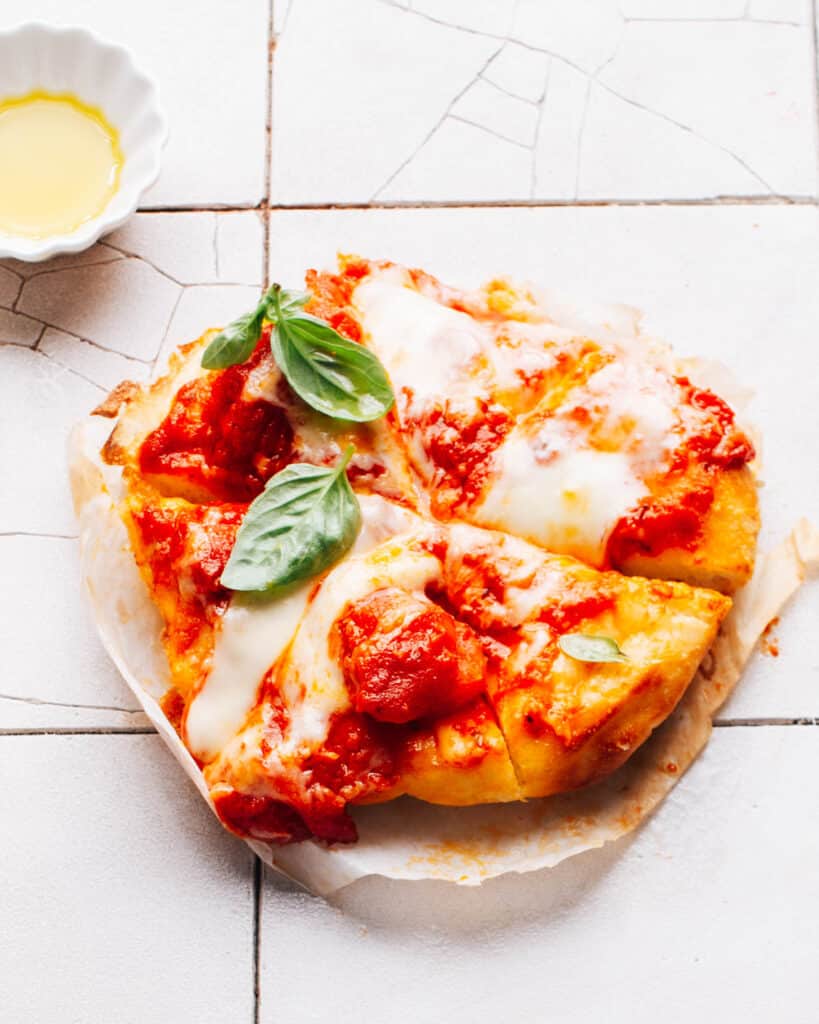
Learn how to make the best Homemade Pizza Sauce with this quick, easy recipe that turns out rich, thick and deeply flavorful with just a few simple ingredients.

I can confidently say that anyone who has tried this easy Homemade Pizza Sauce recipe has been hooked.
Ever wondered how to make authentic Italian pizza sauce as good as a restaurant’s? Skip the jar! Here’s how to make it from scratch.
There’s no fancy technique needed to make amazing pizza sauce at home. Just simple ingredients and straightforward cooking. This red sauce for pizza is a simple, rich pizza sauce made from tomatoes, garlic, and herbs.
It’s perfect for topping your homemade pie and totally foolproof.
Why You’ll Love this Homemade Pizza Sauce Recipe
Pizza night is leveling up! This recipe creates a rich, tangy sauce that rivals any Italian restaurant.
Here’s what makes it the best pizza sauce recipe:
- Simple Ingredients: This sauce uses simple ingredients that are pantry staples, but when combined with technique, pack an incredible punch of flavor.
- A strong flavor foundation: Build rich flavor into your sauce with a generous glug of olive oil (fat is what carries flavor). A good amount of garlic adds punch.
- Pro technique (that’s also super easy): Let the tomatoes caramelize in the hot oil, then simmer to reduce and concentrate the flavor.
What You Need for this Homemade Pizza Sauce Recipe
Getting the right ingredients and tools is the first step in making an awesome homemade pizza sauce. Below, we break down what you’ll need into easy-to-follow sections.
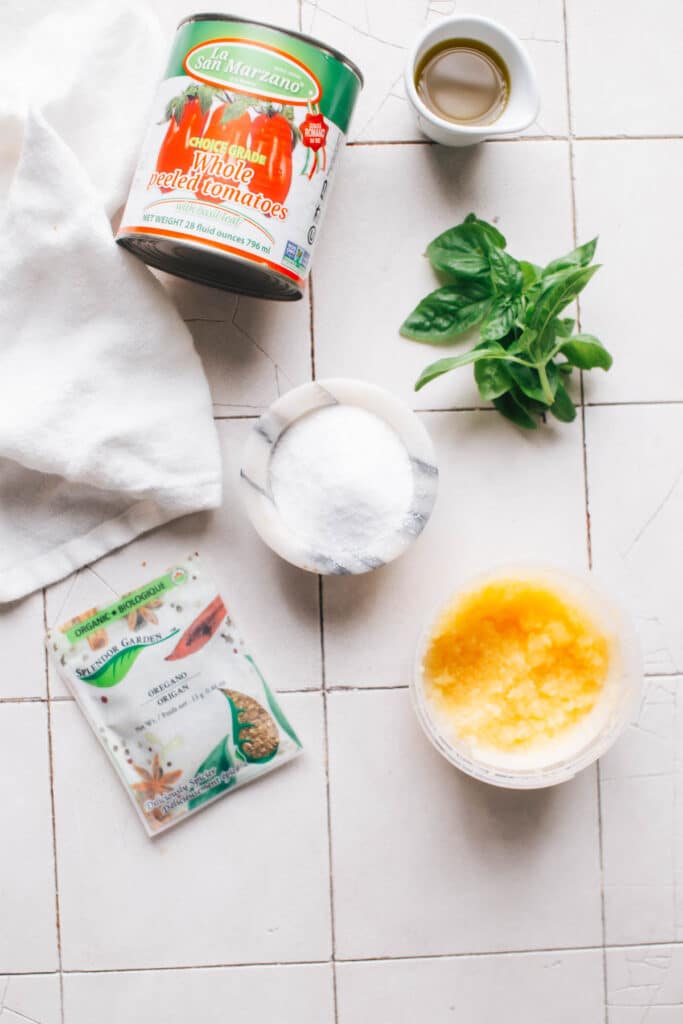
Homemade Pizza Sauce Ingredients
For a tasty and foolproof pizza sauce, the ingredients really matter.
- Tomatoes: The base of the sauce. Use high-quality canned or fresh tomatoes for the best results. I like San Marzano tomatoes the best for canned options. You can use whole, diced or crushed tomatoes. You have the option to puree the sauce later if you like.
- Extra-Virgin Olive Oil: The oil adds flavor, richness and depth to the sauce so I like to use the good extra virgin stuff.
- Garlic: Provides the kick and aromatic edge. Garlic powder is not recommended as a substitute.
- Fresh Herbs: Oregano gives an herby note that complements the tomatoes well and basil adds a touch of sweetness and depth. Fresh is best, but dried herbs will work well. You can also add a pinch of fennel seed and/or marjoram, if you like.
- Red Pepper Flakes: Optional, but if you like a little heat, they give the sauce a nice kick.
Variations and Substitutions
Want to get creative or adapt the recipe to what you’ve got? No problem.
- Tomato Types: You can switch to cherry tomatoes for a sweeter sauce.
- Spices: Thyme or rosemary can be used in place of or alongside oregano and basil. A little onion powder can add another layer of savory depth. You can alternatively swap in Italian seasoning (they can be hit and miss – that’s a link to the one I like).
- Heat Level: Adjust the amount of red pepper flakes to your tolerance, or omit them altogether.
Grab these Tools
Having the right tools can make the cooking process much smoother.
- Large Saucepan
- Wooden Spoon
- Potato Masher: Makes it easier to break down the tomatoes into smaller pieces.
- Measuring Spoons
- Blender or food processor: Optional, but great if you prefer a smoother sauce.
Now you’re all set! Time to get cooking and enjoy some homemade pizza sauce.
How to Make Homemade Pizza Sauce: An Easy Guide
Making your own red sauce for pizza at home is surprisingly simple. With a handful of ingredients and the right tools, you’ll be slathering this sauce on your pizza dough in no time.
Prep the Ingredients:
- Start by getting your ingredients in order. If you’re using fresh tomatoes, chop them up. If you’re using canned tomatoes, open the can and set it aside.
- Mince your garlic cloves. Measure out your olive oil, dried oregano, basil, salt, and optional red pepper flakes.
Cook the Sauce Base:
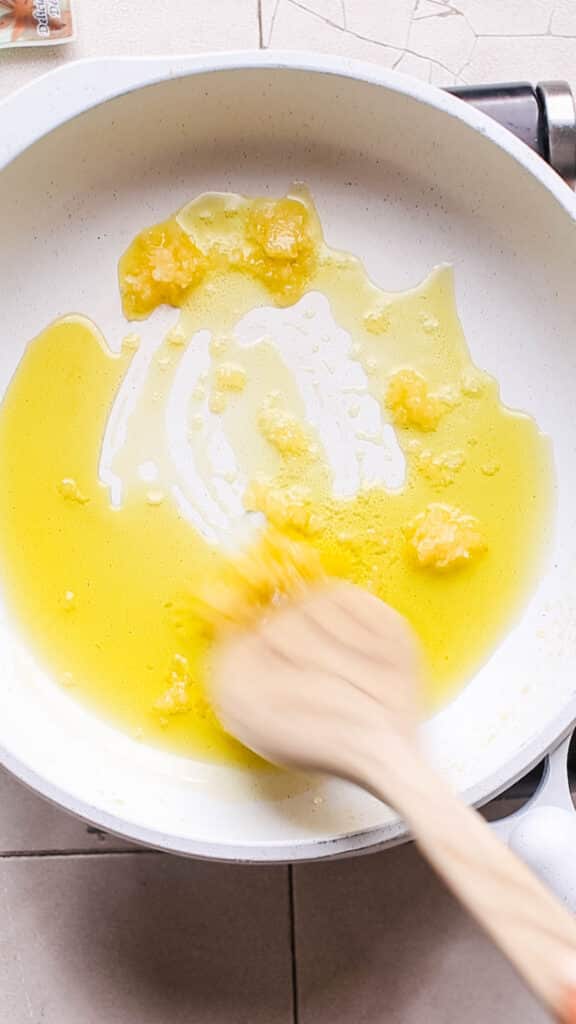
- Place a large saucepan on the stove and set the heat to medium. Add the olive oil to the pan.
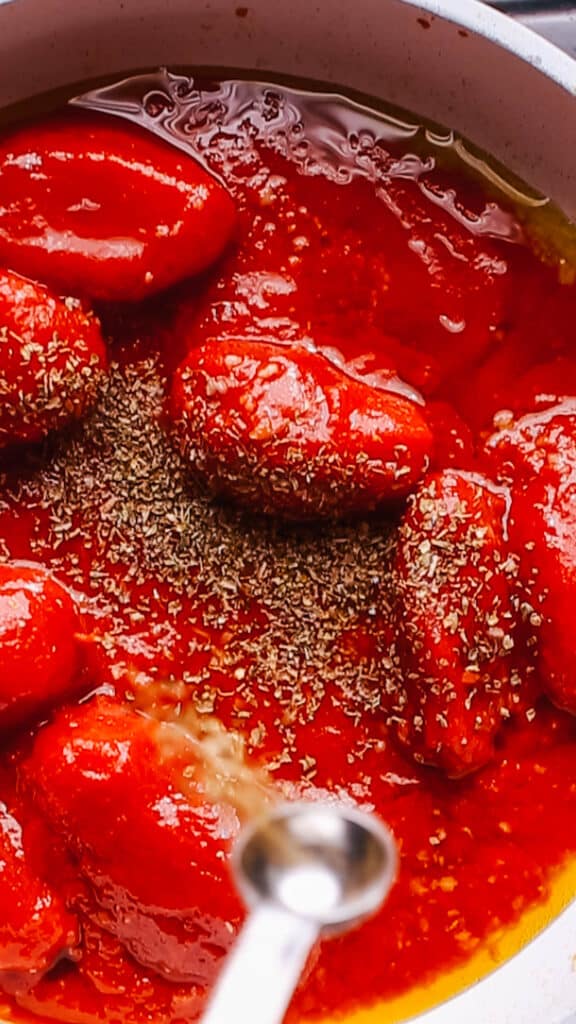
- Stir in the minced garlic, dried oregano, and basil. Cook for about a minute until the garlic smells good.
Add Tomatoes and Season:
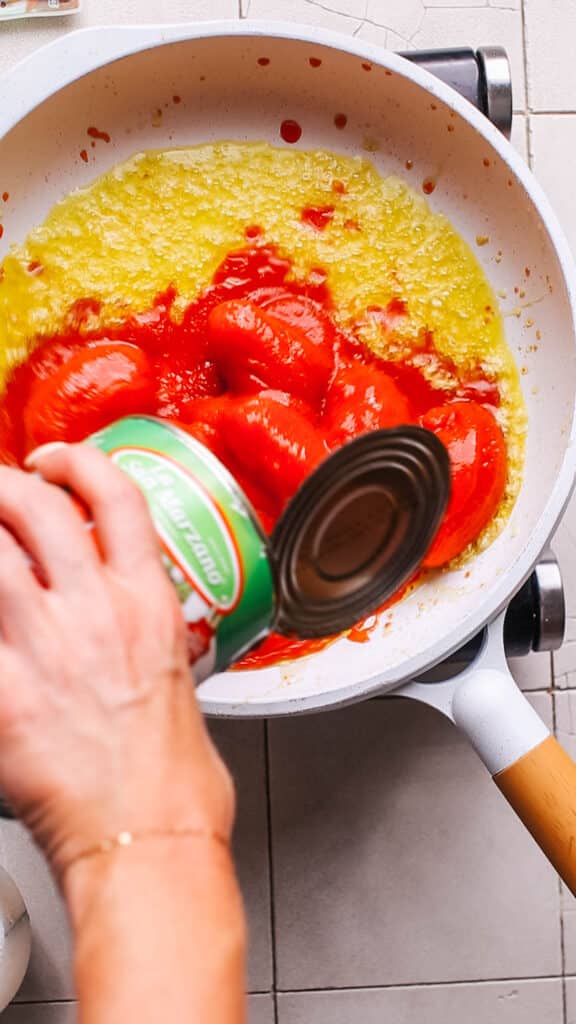
- Pour the chopped tomatoes into the pan. Crush them with a potato masher or the back of a wooden spoon.
- Add salt and optional red pepper flakes. Give it a good stir to combine everything.
Simmer the Sauce:
- Lower the heat to low. Let the sauce simmer for at least 30 minutes or up to an hour for more flavor. Stir occasionally.
- Taste the sauce. Add more seasoning if needed. Remove any fresh basil sprigs you might have used.
Blend the Sauce:
- If you like your sauce smooth, use an immersion blender in the pot to purée tomatoes. Alternatively, you can just mash it up with the spoon or let the sauce cool a bit and then blend it in a regular blender.

How to Make Pizza Sauce with Fresh Tomatoes
If you prefer to use fresh tomatoes, you should ideally remove their skins first.
This can be skipped if you have a professional blender, like a vitamix. Otherwise bits of skin will get stuck in your teeth.
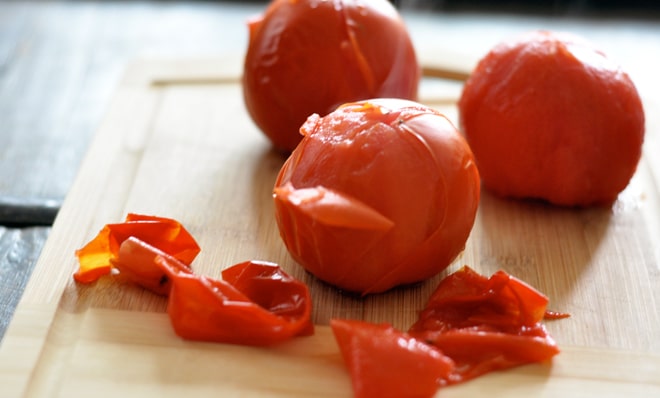
How to remove tomato skins by blanching:
- Score the Skin: Cut a small “x” at the bottom of each tomato,
- Boil: Immerse tomatoes in boiling water for 30-60 seconds or until the skins start to peel.
- Cool and Peel: Quickly cool tomatoes under cold water, peel off the skins, and proceed with the recipe as described.
How to remove tomato skins by freezing:
- Freeze Tomatoes: Wash and dry the tomatoes, then place them on a baking sheet and freeze until solid.
- Partial Thaw: Remove the tomatoes from the freezer and wait a few minutes until the skin starts to loosen from the flesh.
- Peel and Use: Peel the loosened skin off with your hands or a small knife. Your tomatoes are now ready for cooking or storing for later use.
Make Ahead and Storage
Storing this Red Sauce for Pizza is a breeze, and it’s great for making ahead of time.
- Make Ahead: You can prepare this sauce up to 5 days in advance and store it in the fridge. Just make sure to use an airtight container.
- Freezing: If you want to keep it longer, you can freeze the sauce for up to 3 months. Again, use an airtight container to prevent freezer burn.
- Reheating: To use, simply thaw in the refrigerator overnight and reheat on the stove over low heat until warm, or microwave it on medium power if stored in a microwave-safe container.
- Shelf Life: Once refrigerated, try to use the sauce within a week for the best taste and texture.

How to Use This Easy Pizza Sauce Recipe
This homemade pizza sauce is versatile and perfect for any pizza night. Simply spread a generous amount of the pizza sauce over your prepared pizza dough, add your favorite toppings and mozzarella cheese, then bake.
Looking for more? Try these!
- Cast Iron Pizza: Use my ultimate easy homemade pizza dough recipe and guide to cook your pizza in a cast iron pan for a perfect crispy crust.
- Air Fryer Pizza: If you haven’t tried Air Fryer Pizza yet, don’t wait another minute. The high heat concentrates the flavor of the sauce and all the toppings. It tastes incredibly like wood-fired pizza.
- Naan Pizza: This way is actually my FAVORITE pizza dough ever. Use my viral naan recipe as the dough. It turns out soft and airy with a crisp bottom if you pair it with either the air fryer or cast iron methods above.
- Biscuit Dough Pizza: I LOVE this method as well. Using easy drop biscuit batter as the crust not only allows you to make homemade pizza from scratch in under 30 minutes, it is crisp, buttery and soooo delicious. If you haven’t tried it, wait no longer.
Pizza Toppings
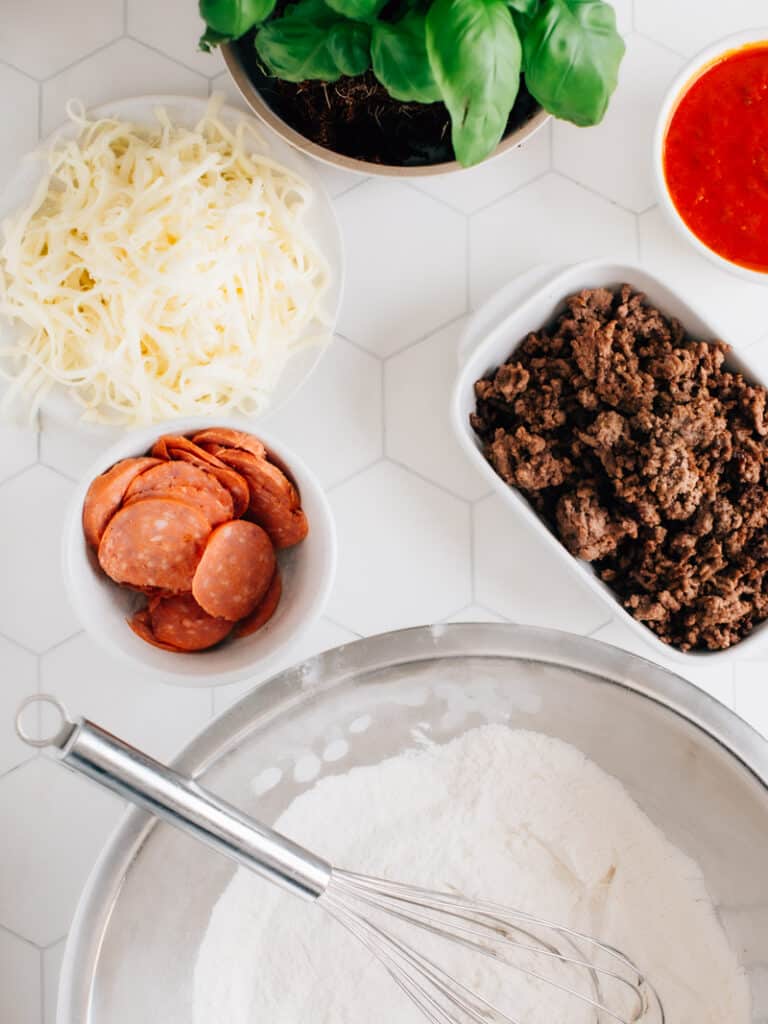
- You can go classic with mozzarella and pepperoni, or be creative with toppings like bell peppers, onions, and mushrooms.
Side Dishes for Pizza
- Consider serving the pizza with a fresh green salad or some garlic bread for a complete meal.
Common Mistakes When Making Homemade Pizza Sauce
Here are the most frequent mix-ups to avoid when making Red Sauce for Pizza:
- Overheating Garlic: Cooking garlic for too long can make it bitter. Sauté just until it’s fragrant, not browned.
- Rushing the Simmer: Not simmering the sauce long enough will leave you with a less flavorful result.
- Skipping Seasoning: Forgetting to taste and adjust the seasoning could lead to a bland sauce.
- Using Low-Quality Tomatoes: The quality of your tomatoes will directly impact the flavor of your sauce.
Pizza Sauce FAQ
Just skimming through? Here are some quick answers to the commonly-asked questions.
The red sauce on pizza is typically a tomato-based sauce seasoned with herbs like oregano and basil, and sometimes garlic and red pepper flakes.
Red sauce pizza uses a tomato-based sauce, while white sauce pizza uses a sauce made from cream, milk, or cheese like Alfredo or béchamel.
Pizza sauce and marinara sauce are similar but not identical. Pizza sauce is usually thicker and might be less seasoned, as it’s part of a pizza with many other flavors.
Yes, you can use pizza sauce for spaghetti sauce. You may want to adjust the seasonings and possibly add some meat or vegetables.
Homemade pizza sauce can be stored in the fridge for up to one week or frozen for up to three months.
How to Make the Best Pizza Sauce: Final Notes + Science-Based Secrets
Unlock the full potential of your Red Sauce for Pizza with these key takeaways:
- Herb Infusion: Letting the sauce simmer with fresh basil can elevate its flavor.
- Heat Level: The optional red pepper flakes can make a difference. They add complexity beyond just heat.
- Acidity Matters: Tomatoes vary in acidity. Taste and adjust with a pinch of baking soda (like I do in my super popular tomato soup recipe) if the sauce is too acidic.
- Fresh vs. Canned: If using fresh tomatoes, Roma or San Marzano varieties are less watery and more flavorful.
The sauce is more than just a base; it’s the soul of your pizza. Once you try this homemade red sauce, you’ll never go back to the store-bought kind.
Related Recipes:
Other Delicious Italian Recipes to Try:
This is also the sauce I stir into my easy pizza bowl on busy weeknights.

Homemade Pizza Sauce (Ultimate Easy Recipe You’ll Swear By!)
Video
Ingredients
- 1 28 oz can tomatoes preferably Roma or San Marzano variety (or 1.75 lbs ripe tomatoes – see notes below.)
- ¼ cup olive oil
- 3 large cloves garlic minced
- 1 teaspoon dried oregano
- 2 sprigs fresh basil or 1 teaspoon dried basil
- 1 teaspoon kosher salt
- ¼ teaspoon crushed red pepper flakes optional, for a little heat
Instructions
- Heat the olive oil in a large saucepan over medium heat.
- Add the minced garlic, dried oregano, and fresh or dried basil to the pan. Stir and cook for about a minute, until the garlic is fragrant.
- Add the chopped tomatoes to the pan. Use a potato masher or the back of a wooden spoon to crush the tomatoes until they’re in small pieces.
- Stir in the salt, and optional red pepper flakes.
- Lower the heat to low and let the sauce simmer. Continue to cook, stirring occasionally, for at least 30 minutes, up to 1 hour if you have time. The longer it cooks, the more the flavors will meld together.
- Taste the sauce and adjust the seasoning if necessary. Remove fresh basil sprigs, if used.
Notes
- If using fresh tomatoes, you can optionally blanch the tomatoes to remove their skins first (or just leave it on if you don’t mind a bit of texture).
- Cut a small “x” in the bottom of each tomato. Immerse in boiling water for about 30-60 seconds, or until the skins begin to peel back. Cool them under cold water and peel off the skins. Remove the cores and chop the tomatoes.
- If you prefer a smoother sauce, you can use an immersion blender to blend it right in the pot, or you can let it cool slightly and then blend it in a regular blender.
Nutrition
Nutrition information is automatically calculated, so should only be used as an approximation.









The details on make-ahead and storage were immensely helpful, thank you. I always prefer to prepare in batches, and knowing I can freeze this sauce for later use is wonderful. It’s always a pleasure to read such well-thought-out recipes.
is simmering really necessary? i usually just blend everything and use.
Simmering thickens the sauce and concentrates the yummy flavor. You could skip it, but it’s definitely better to do it!
Jennifer, this is exactly what I was looking for. The guide on how to make the sauce with fresh tomatoes was particularly insightful. Your step-by-step directions made it so easy to follow along. Excited to try more of your recipes.
can i use this sauce straight away on pizza or does it need to chill first?
It’s good to go immediately! I used it right after cooking, turned out great.
Hi Ellie, you can use it straight away on pizza!
Made a batch with a mix of fresh and canned tomatoes, and the depth of flavor was amazing. Curious if anyone else has tried mixing types of tomatoes in their sauce?
Tried your homemade pizza sauce recipe, and it was a hit! Perfect blend of flavors. Thanks, Jennifer!
I couldn’t believe how tasty this recipe was for something so simple. I didn’t not expect homemade red sauce to taste so much better than canned pizza sauce. Never going back!!!