What is Parchment Paper Made of? (What You Need To Know!)

Updated Oct 28, 2024
What is parchment paper made of exactly, is it safe, and what all can it be used for? I’m a Registered Dietitian and Food Scientist and I’m going to spill all of the details on the uses and mistakes to avoid.
Quick Answers:
Need quick information? Click on any of the questions below to jump to the answers you’re looking for.
- What is Parchment Paper Made of?
- What is Parchment Paper Used For?
- Is Parchment Paper Safe?
- Best Parchment Paper Substitutes
What is Parchment Paper?
Parchment paper is a baking paper used to prevent sticking and make for easy clean-up.
Any food that’s baked, roasted or cooked in a dish lined with parchment lifts easily out of the dish, without the stubborn mess or left behind, stuck-on bits.
It takes the stress out of making moist chocolate cake, as you can always be certain that your cake will remove without sticking. And you can make the best meatloaf recipe ever with barely any cleanup.
You can easily find parchment paper in boxes (near the wax paper and aluminum foil) in any grocery store. I usually have it on hand as a long roll, and as parchment paper sheets (in pre-cut circles as well as rectangles).
What is Parchment Paper Made of?
Parchment is a super-thin baking paper made from a vegetable fibre called cellulose with a slippery non-stick surface.
The super-white paper is bleached with chlorine, but you can easily find unbleached parchment paper, which is a safer choice.
What is the Coating on Parchment Paper?
Most parchment papers are coated with a food-safe silicone layer, which gives them their non-stick and heat-resistant properties.
Silicone is stable at high cooking temperatures, doesn’t leach chemicals, and is generally safe for food contact.
Some parchment papers may have alternative coatings, such as PFAS (per- and polyfluoroalkyl substances), for non-stick properties, which can pose health risks.
Read more on parchment paper safety below.
What is Parchment Paper Used For?
Parchment paper is used for a variety of kitchen tasks, from lining baking pans to rolling dough, making it an essential tool for both sweet and savory cooking. Here are my go-to uses:
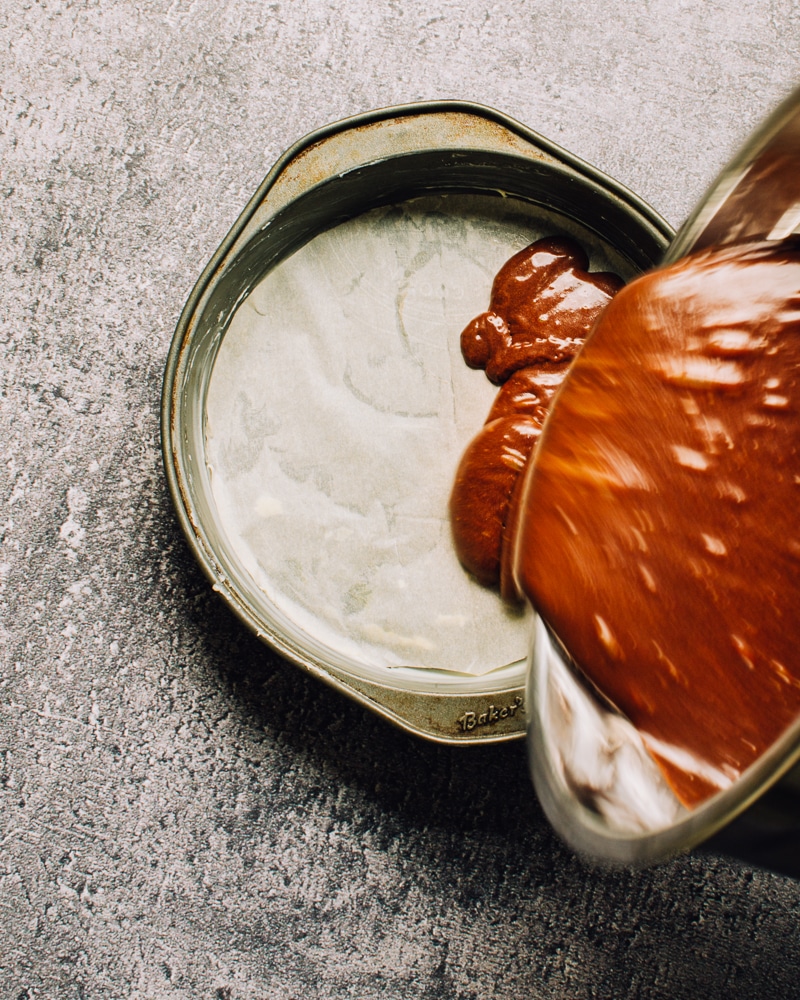
- Lining Baking Pans: Line dishes and baking vessels with parchment paper with parchment to prevent sticking, over-browning, and for easy cleaning.
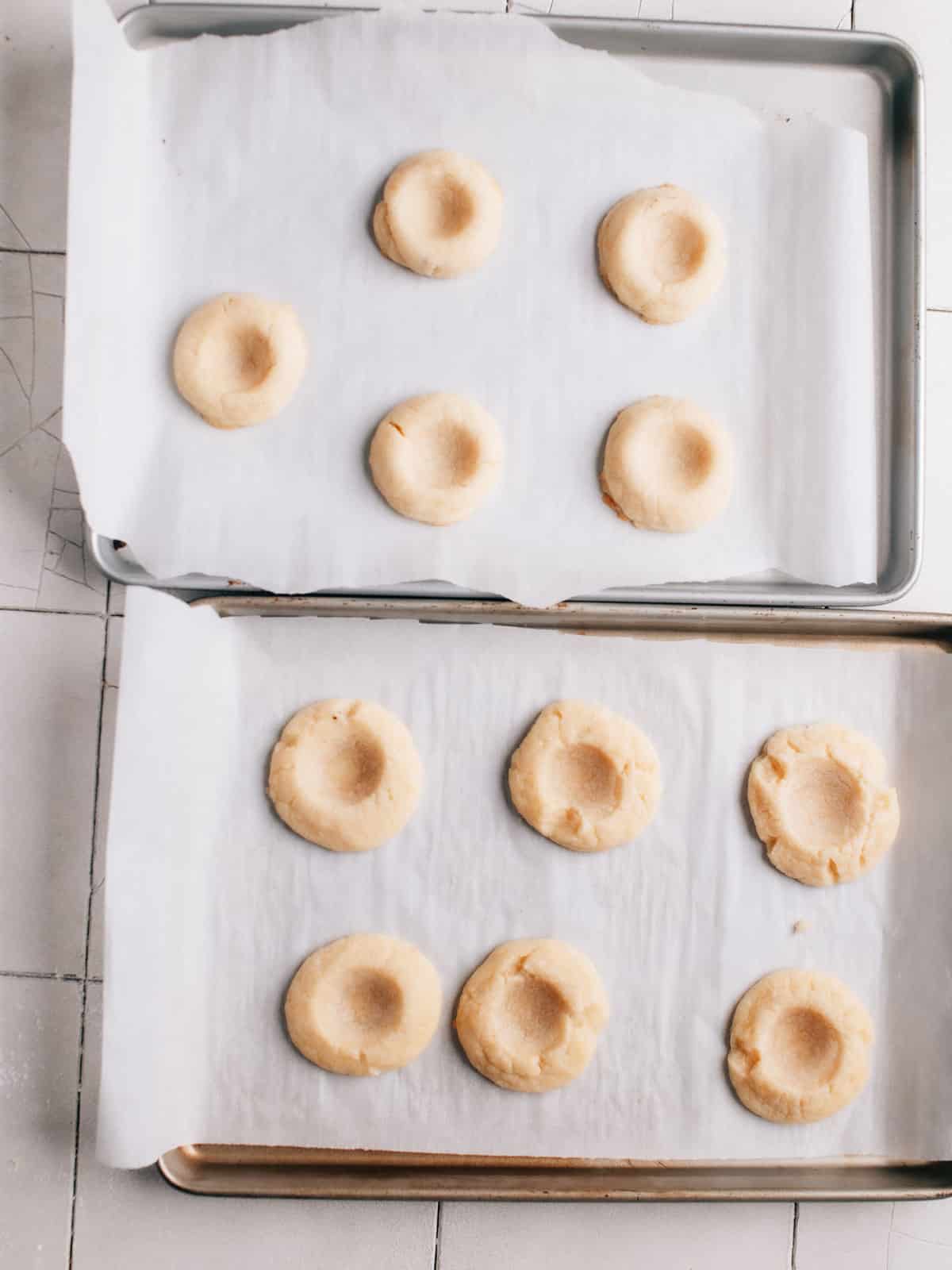
Planning to whip together a quick batch of brownies (you MUST try this popular chewy brownie recipe) or grandma’s soft Hermit Cookies? Make clean-up a breeze if you start by linking sheet pans with a piece of parchment. - Lining Casserole Dishes: I personally love to use parchment paper to line savory baking dishes as much as I use it for sweet baking.
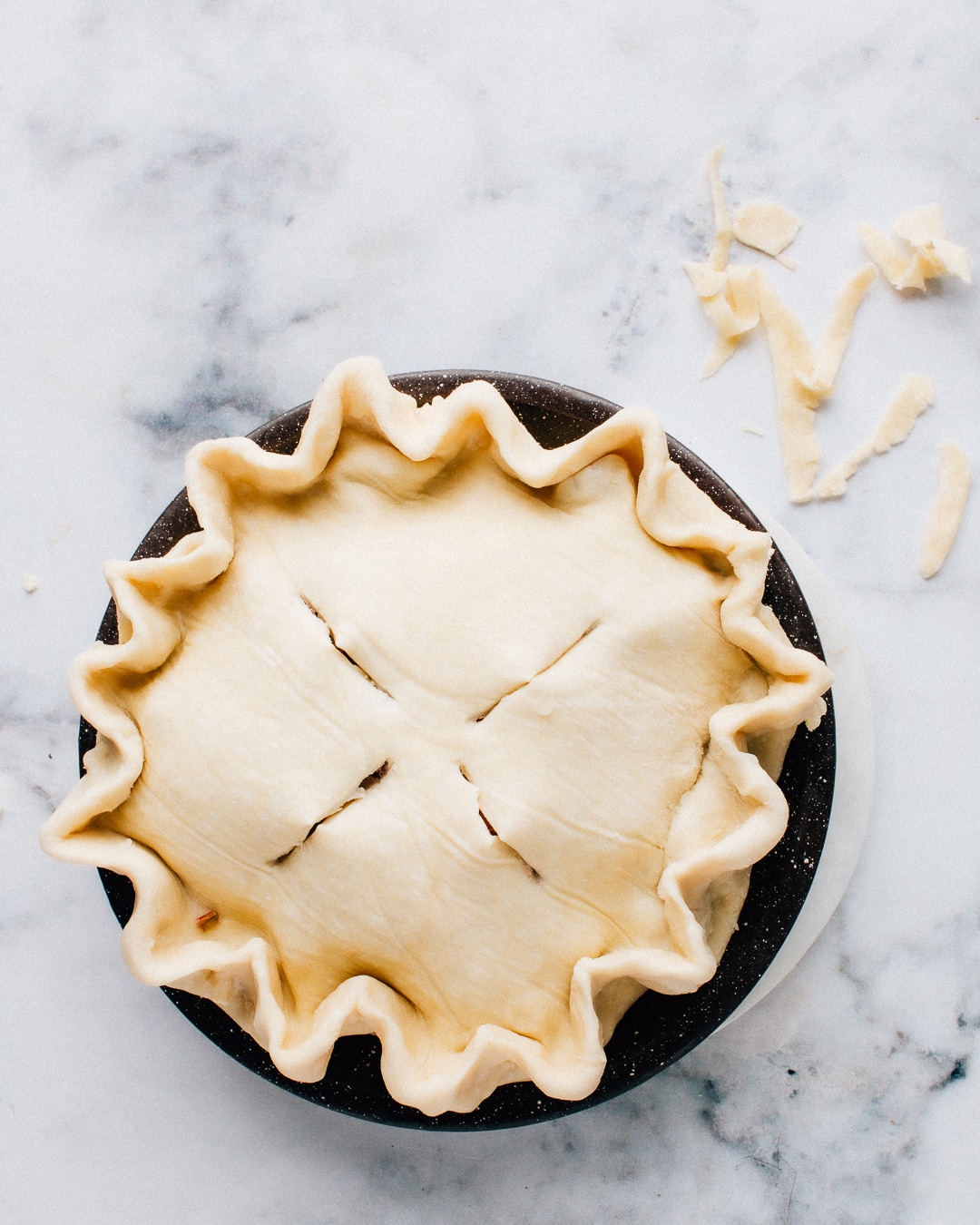
Making a Tater Tot Casserole Breakfast? Parchment ensures no sticky egg or cheese to scrub away later. Bonus? It cuts down on fat a little bit because you don’t have to grease the trays. - Rolling Dough: It would never occur to me to roll out my fav No Food Processor Pie Crust, Soft Gingerbread Man Cookies, or Snowflake Cookies without two sheets of parchment paper to prevent sticking to the counter or rolling pin.
No need for extra flour, which can dry out your dough. - To Wrap Sandwiches: skip plastic bags and wrap lunch to go in parchment paper secured with twine. Old school!
Parchment’s your obvious wingman.
- In the Air Fryer: Perhaps my personal favourite, is using parchment paper to line the air fryer basket (see How to Use an Air Fryer) to make quick meals like my frozen salmon in the air fryer even EASIER.
Simply peel off the paper and toss it in the compost bin. Your dishwashing efforts will be pared down to nothing. You’re welcome.
- Cooking En Papillote Parchment is also perfect for the classic French version of packet dinners – cooking ‘en papillote’.
En papillote translates from french loosely as ‘in a paper envelope’ and it’s a method of cooking usually fish or poultry with vegetables in an origami-style paper pouch in the oven.
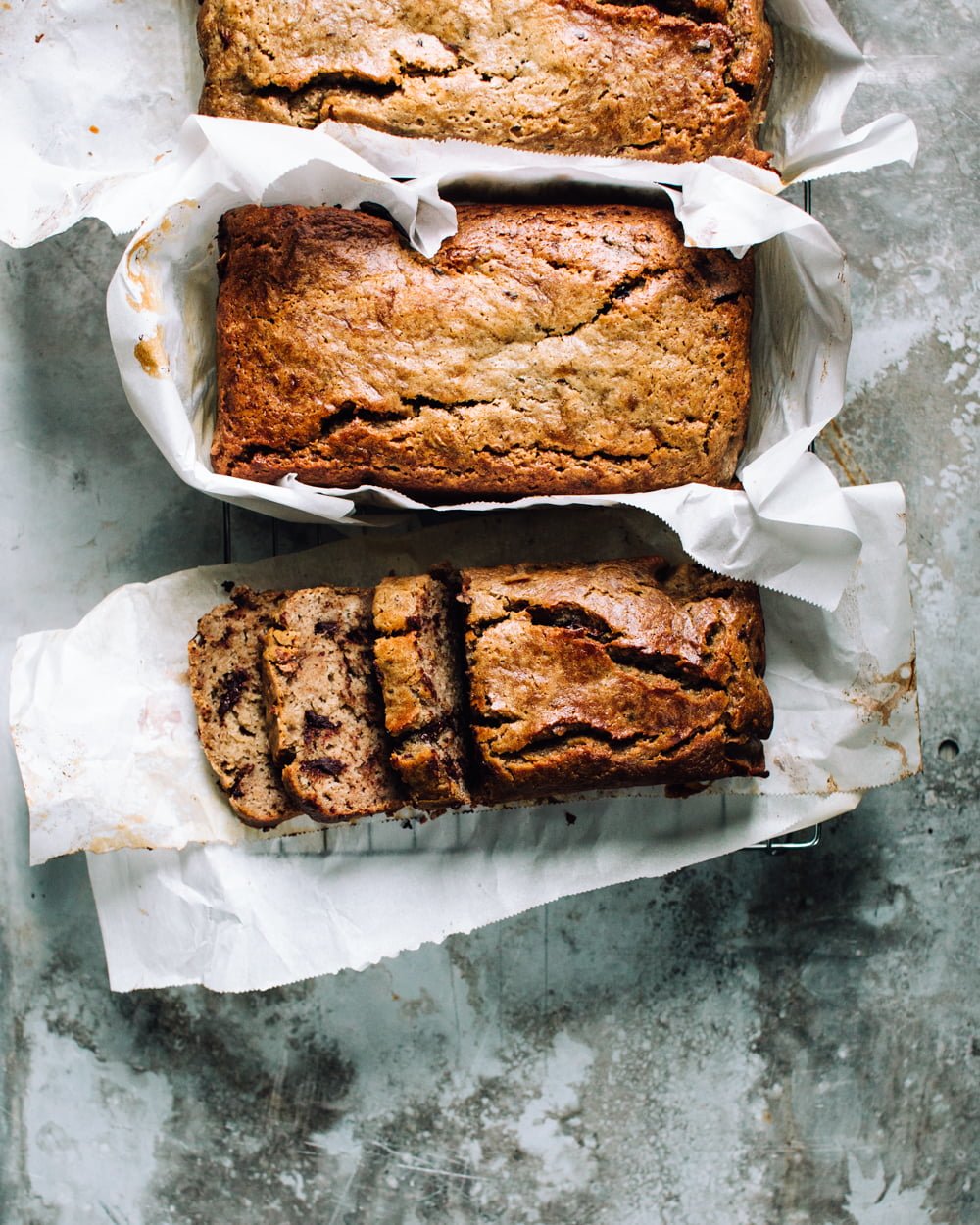
The steam from the food gets trapped in the papillote and makes for a moist, tender meal without the need for adding any richness like oil or butter. - Separating Food in the Freezer Have you ever made a batch of homemade Ground Chicken Burgers or maybe even this irresistible Easy Moist Banana Bread? It’s all roses if you’re planning on eating them up right away. But if you’re not… parchment.
Cut a sheet of this handy little kitchen paper into a few pieces and simply layer your burger patties or pieces of banana bread between sheets and store in a freezer-safe bag.
The parchment paper will prevent them from binding to each other and make for a super easy pull-apart process.
Parchment can be used to line baking sheets for freezing anything from dough balls, to cooked naan, to winter casseroles so that they’re easy to separate or remove from the pan.
Once items are frozen hard, they can be wrapped, vacuum sealed or packaged in freezer bags for longer storage.
Is parchment paper safe?
Parchment paper is generally safe to use in cooking and baking. It’s made to withstand high temperatures, usually up to around 420–450°F (216–232°C), depending on the brand.
However, there are a few things to keep in mind:
Parchment Paper Food Safety
Here are the 3 main considerations on parchment paper’s food safety:
- Food-Safe: Firsly, make sure you’re using food-grade culinary parchment paper, not something intended for other uses like craft projects.
- Non-Stick Coatings: Parchment paper comes coated with silicone or other non-stick coatings to make it non-stick. Choose “compostable” and “unbleached” for the safest choice.
- Bleached vs. Unbleached: Unbleached paper is the better choice to avoid chemical bleaching residues.
Does Parchment Paper Leach Chemicals?
Some parchment paper can leach chemicals depending on the materials and coatings used.
Here’s a breakdown of key considerations and what to look for in safer parchment paper options:
PFAS in Non-Stick Parchment Paper Coatings
Some parchment papers use PFAS (per- and polyfluoroalkyl substances) for their non-stick properties.
PFAS, known as “forever chemicals,” can leach into food at high temperatures and have been linked to long-term health risks like cancer and thyroid issues (Source).
The FDA announced on February 28, 2024, that PFAS-containing grease-proofing materials are no longer being sold for food packaging in the U.S., eliminating a major source of dietary PFAS exposure.
While parchment paper could be affected, this isn’t specified.
To avoid these risks, look for parchment paper labeled as “PFAS-free” or “compostable”.Compostable parchment paper should be PFAS-free because compostability standards prohibit the use of persistent chemicals like PFAS, which don’t break down in the environment.
Bleached vs. Unbleached Paper and Dioxins
Bleached parchment paper undergoes chlorine processing, which can produce dioxins—chemicals associated with potential health risks and environmental persistence.
The World Health Organization notes that more than 90% of the dioxin exposure in humans comes from meat, dairy, and fish, however, not paper.
Dioxins are released in small amounts, but because they accumulate in the body over time, opting for unbleached parchment paper helps avoid these risks.
Silicone-Coated Parchment Paper
Many non-stick parchment papers use food-safe silicone coatings, which are considered stable and do not leach harmful chemicals at typical cooking temperatures.
Silicone is widely used in bakeware and is regarded as safe for food contact.
Compostable silicone is specifically formulated for environmental breakdown.
What is the Safest Parchment Paper to Use?
The safest parchment paper to use is labeled compostable and unbleached. Compostable parchment paper should meet strict environmental standards, requiring it to be free of PFAS, dioxins, and other chemicals that persist in the environment.
Compostable labels, especially those with certifications like BPI Compostable or TÜV Austria OK Compost, indicate the absence of PFAS and ensure that the paper can break down safely in compost without leaving toxic residues.
Parchment Paper Heat Safety
Here are the big-picture things to keep in mind for heat safety:
- Temperature Limits: Don’t use it in situations where it’ll be exposed to temperatures higher than it’s rated for.
- No Direct Flame: Don’t let parchment paper come into direct contact with an open flame or heating elements, as it can catch fire.
Is parchment paper toxic when heated?
Parchment paper is designed to be heated, but some parchment papers contain PFAS chemicals for non-stick properties. When exposed to high heat, these chemicals can leach into food, posing health risks.
Opt for unbleached, compostable parchment to avoid toxins, and don’t exceed recommended heat levels.
Can parchment paper go in the oven?
Parchment paper is absolutely oven-safe – heck – the main purpose of parchment paper is to line cookie sheets and cake pans.
Parchment paper is completely oven safe up until 425°F.
Can parchment paper go in the microwave?
Yes, parchment paper is generally safe to use in the microwave. It’s heat-resistant and doesn’t contain any materials that should cause issues when microwaving. The silicone coating that makes it non-stick is also microwave-safe. I use it all the time to cover my dish when I’m making microwaved poached eggs or reheating leftovers to avoid splatters.
However, there are a couple of things to keep in mind:
- Check Packaging: Always take a quick look at the packaging or manufacturer’s guidelines just to make sure there are no specific warnings against microwave use.
- Short Bursts: If you’re microwaving something for an extended period, you may want to check on it periodically. Though the risk is low, any paper product can potentially catch fire if exposed to high heat for a prolonged time.
So, for quick reheating or cooking tasks, parchment paper should be a safe choice in the microwave.
Is parchment paper compostable?
Yes, parchment paper can be compostable, but not all options are. If it’s compostable, it will be labelled as unbleached and compostable.
Generally, bleached parchment paper is not compostable. The chlorine bleaching process introduces chemicals that don’t break down easily and may contaminate compost.
Best Parchment Paper Substitutes
If you’re out of parchment paper, there are a few alternatives you can use depending on your needs:
- Silicone Baking Mats: Also known as silpats, these are reusable and non-stick, making them a great eco-friendly substitute for cellulose-based paper when lining baking sheets.
- Aluminum Foil: For roasting or baking at high heat, foil can work as a substitute, but it doesn’t have the non-stick properties of parchment, so you may need to grease it.
- Wax Paper: While wax paper can be used for tasks like wrapping food or rolling dough, it’s not heat-resistant, so avoid using it in the oven.
- Greased Baking Pan: If you don’t have parchment paper, simply greasing your baking pan with butter or oil can prevent sticking for many recipes, though it may not be as foolproof as parchment.
Wax Paper Vs. Parchment Paper
Waxed paper and parchment paper are similar, but they have different properties and best-use cases.
Waxed Paper:
- Coating: Coated with a layer of paraffin wax.
- Heat Resistance: Not heat-resistant; not suitable for use in the oven.
- Best Uses: Great for wrapping foods, separating layers of baked goods for storage, or as a liner for cold preparation in the kitchen.
- Microwave Safe: Generally safe for microwave use because microwaves heat food, not the paper, but always check the packaging.
- Compostable: Typically compostable, as it’s just paper with a thin layer of wax.
Parchment Paper:
- Coating: Usually coated with silicone to make it non-stick.
- Heat Resistance: Heat-resistant and safe for use in the oven, usually up to around 420–450°F (216–232°C).
- Best Uses: Ideal for baking, roasting, and any other cooking methods that require heat.
- Microwave Safe: Yes, generally safe in the microwave.
- Compostable: Not usually compostable because of the silicone coating, although some brands offer compostable options.
In a nutshell, if you’re cooking with heat, go with parchment paper. If you’re doing pretty much anything else like wrapping or storing, waxed paper should do the trick. Just don’t mix them up, or you might end up with melted wax on your baked goods.
Butcher paper vs parchment paper
Butcher paper and parchment paper serve different purposes in the kitchen, and they’ve got some key differences:
Butcher Paper:
- Material: Generally made from kraft paper, which is a strong, coarse paper.
- Coating: Uncoated, but sometimes waxed or treated on one side to make it moisture-resistant.
- Heat Resistance: Not designed for high-heat cooking methods like baking.
- Best Uses: Traditionally used for wrapping meats, fish, and cheeses. Also popular in BBQ to wrap meats during smoking.
- Microwave Safe: Depends on the brand and whether it has any wax coating; always check the packaging.
- Breathable: Allows moisture to escape, which can be beneficial for certain types of cooking like smoking.
Parchment Paper:
- Material: Usually made from denser paper.
- Coating: Coated with silicone to make it non-stick and heat-resistant.
- Heat Resistance: Safe for use in the oven, generally up to around 420–450°F (216–232°C).
- Best Uses: Used for baking, roasting, and steaming. It’s non-stick, so it’s good for cookies, cakes, and other baked goods.
- Microwave Safe: Yes, generally safe for microwave use.
- Non-Breathable: Locks in moisture, which can be good for certain baked goods but not ideal for things like smoked meats.
So, if you’re baking or need a non-stick surface, parchment paper is the way to go. Butcher paper, on the other hand, is better for wrapping and storing foods, and it’s the go-to for smoking meats in many BBQ circles.
4 Risky Mistakes to Avoid
- Using at too high of a temperature: Always check the packaging for temperature limits. Most parchment paper can withstand up to 425°F, but using it at higher temperatures can cause it to burn or break down.
- Letting it touch an open flame or heating element: Parchment paper is heat-resistant, but it’s still paper. Letting it come into direct contact with a flame or heating element can cause it to catch fire.
Don’t use it on a grill or in an empty air fryer while preheating (it can fly up and touch the element). - Using it instead of wax paper: Wax paper and parchment paper aren’t interchangeable. Wax paper isn’t heat-resistant and can melt or smoke in the oven. Always stick with parchment paper for baking.
- Reusing parchment paper too many times: While you can reuse parchment paper once or twice if it’s still clean, avoid reusing it if it’s greasy or torn. It loses its non-stick ability and can lead to stuck-on messes in your cooking vessel.









“…spill all of the details…” but nothing about forever chemicals?
Hi Peter, excellent point! Thank you. The buzz about “forever chemicals” started after I’d written the article. I’ve updated it now, with current research referenced.
Can parchment paper be used to line a deep fat fryer basket to keep batter from sticking to the basket?
Hi Kendall, great question! While parchment paper can technically handle temperatures up to around 450°F, deep fryers present a different challenge. In hot oil, parchment would soak up the oil and break down, potentially tearing apart and creating a mess in your fryer.
For deep frying, the best bet is to lower the basket into the oil first, then carefully add the battered food.
How do they make parchment paper white!
If it’s bleached then it is toxic.
I have bought the un bleached parchment paper but now I’ve read a lot about silicone and it’s also toxic.
Respectfully
Hi Anita, The Food and Drug Administration (FDA) regulates materials that come into contact with food to ensure they are safe. Both bleached and unbleached parchment papers coated with silicone, meet the FDA’s safety standards for food contact. This means they have been thoroughly tested and found not to pose a health risk when used as intended.
SOURCES:
FDA reference for parchment paper safety: https://www.fsis.usda.gov/food-safety/safe-food-handling-and-preparation/food-safety-basics/meat-and-poultry-packaging. This demonstrates that parchment paper that complies with FDA regulations is safe for contact with food during cooking.
USDA references parchment paper as safe: https://www.fsis.usda.gov/food-safety/safe-food-handling-and-preparation/food-safety-basics/cooking-microwave-ovens. This shows the USDA considers parchment paper safe for cooking.
To avoid bleached parchment, there is the unbleached option, which is light brown. It works just as well, is still coated with silicone, and eliminates concerns about dioxins migrating into foods. I love using parchment. In most cases, parchment is re-useable; and I recommend rinsing it (or if oily, hand washing it with safe soap), squeezing out water and laying out to dry (which takes only about 10 minutes!) Thanks Jennifer
I have heard of people using parchment paper to wrap bacon, place in canning jars, and process in a pressure canner. Is this a recommended procedure?
Hi Mary, there are lots of food safety issues with canning meat at home. I personally have not done it or researched it so I can’t give advice on this!
I never realized how much easier baking could be with the help of parchment paper. I can’t wait to try out the tips for lining casserole dishes and freezing dough balls – my kitchen just going to get a whole lot more efficient!
I’ve been using parchment paper for years, but I had no idea what it was actually made of until now. It’s great to know that it’s a safe and natural option for baking.
I always thought parchment paper was just for lining baking pans, but this post opened my eyes to so many other uses for it. From roasting veggies to making DIY piping bags, I can’t wait to try out all of these new ideas.
Thanks for the post, can parchment paper be sealed using a sealer(not the vacuum kind)
Parchment paper isn’t ideal for sealing with a regular sealer. Most sealers are designed for materials like plastic that can be melted or adhered together through heat or pressure. Parchment paper is heat-resistant and won’t seal well with these methods. If you need to seal parchment paper for baking or cooking purposes, it’s better to use other techniques like folding and crimping, or using kitchen twine to secure it.
Thanks for the feedback.
Thank you.
As someone who loves baking but hates cleaning up the mess, this post was a lifesaver. I never realized that lining my baking pans with parchment paper could make the cleanup process so much easier. Thanks for the great tips Jenn!
This blogpost is going to make baking so much easier for me! I had no idea that parchment paper could be used for freezing dough balls as well. I’m definitely going to try this out the next time I bake cookies.