Scrambled Eggs vs Omelette

Jul 31, 2024
Scrambled Eggs Vs Omelette: what makes them different? As a registered dietician, recipe developer, and breakfast enthusiast – here’s what you need to know.

What is the Difference Between omelette and Scrambled Eggs?
The two key differences between scrambled eggs and omelettes center around the applied cooking method and the eggs’ final texture.
Scrambled eggs are usually cooked adding whisked eggs to a medium-hot pan with melted butter or oil. The eggs are stirred continuously until cooked through.
An omelette is generally cooked by frying a beaten egg without stirring it continuously. An omelette is often filled with ingredients and folded over (or rolled) to serve.
Nutrition Difference in a Nutshell:
Key factors affecting the healthiness of scrambled eggs vs omelette include:
- Portion size
- Cooking method
- Added ingredients
Omelettes can be higher in calories and fat if loaded with cheese, meats, or extra oil. Or conversely, they can be filled with wholesome veggies.
Scrambled eggs can be lighter if cooked with minimal oil and no extra ingredients.
At a restaurant, you’d have to ask what goes in to each to choose the healthier option.
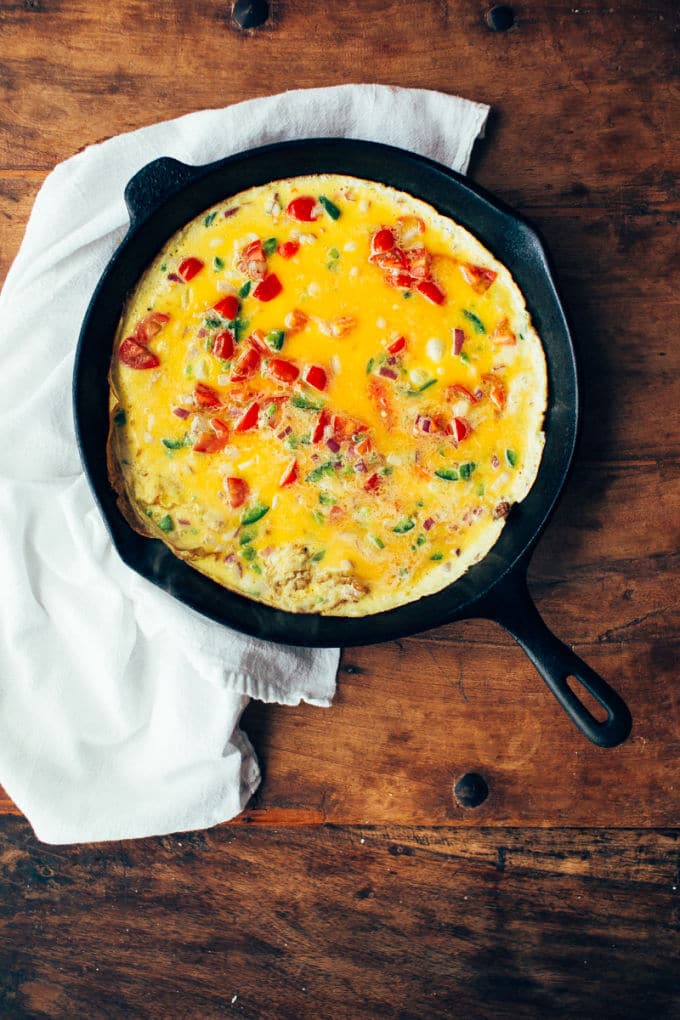
What Is an Omelette?
An omelette, sometimes spelled “omelet”, is a classic breakfast or brunch dish. It consists of beaten eggs cooked until they set in a frying pan.
It usually includes various fillings like cheese, vegetables, ham, or herbs.
Omelette: How It’s Cooked
There are a couple of ways to cook and serve omelettes. Here is a quick and failproof set of steps to the perfect omelette:
- Heat a non-stick frying pan over medium-high heat and add a small amount of butter or oil. Beat your eggs in a bowl with a whisk or fork. You can also use a small saucepan to make your scramble.
- Pour beaten eggs (seasoned with salt and pepper) into the pan. Swirl the eggs around with a rubber spatula.
- As the eggs start to set around the edges, use a spatula to gently lift the edges and tilt the pan to let the uncooked eggs flow underneath.
- Once the omelet is mostly set but still slightly runny on top, add any fillings to one half of the omelet. Fold it and serve!
I know many people find omelettes intimidating, but with practice, they become a go-to dish.

Variations of Omelettes
Here are a few filling ideas:
- Cheese: All and any – try cheddar, Swiss, feta, or goat cheese!
- Veggies: Spinach, bell peppers, onions, tomatoes, mushrooms, zucchini, asparagus, or broccoli.
- Meats: Ham, bacon, sausage, turkey, chicken, smoked salmon, or even leftover steak.
- Herbs: Fresh herbs like parsley, chives, basil, cilantro, or dill.
- Spices: Seasonings like paprika, cumin, chili powder, or garlic powder can add depth to your omelet.
- Sautéed Potatoes: Cooked and diced potatoes can add heartiness to your omelet. I love using leftover boiled or sauteed potatoes in a next-day omelet.
- Avocado: Sliced avocado adds creaminess. I like to serve this on top of an omelette rather than folding it inside.
- Salsa: A spoonful of salsa can add a punch of flavor.
- Sun-dried tomatoes
There are honestly so many delicious ideas for omelets – you can even make a sweet omelet by excluding the salt and pepper and adding a touch of sugar. Fill it with berries and top with chocolate sauce.
What Are Scrambled Eggs?
Scrambled eggs are made by beating and cooking them gently in a pan while continually stirring or folding, resulting in soft, fluffy curds.
Typically seasoned with salt and pepper, I love to customize my scrambled eggs – check out my Swiss chard scramble for inspiration!

Scrambled Eggs: Basic Cooking Method
Nothing is simpler than scrambled eggs on toast as the perfect cozy breakfast meal- and SO delicious. Add a side of bacon, roasted mushrooms, and grilled tomatoes, and it’s a feast!
Check out my method for making creamy, buttery scrambled eggs here. Cook them slower rather than faster, aiming for a soft texture.
How To Make Scrambled Eggs Like They Do In Restaurants
To make eggs like they do in restaurants, the key is to add a small amount of fresh milk or cream to the egg mixture and recipe.
They also tend to cook them over medium-low heat and steer away from high temperatures.
This results in the fluffy texture that restaurant-style eggs are known for. Chefs tend to use non-stick pans; gently folding the eggs as they cook helps achieve that light and airy consistency.
Another tip is to season well and add more salt for extra flavor if needed.
Variations of Scrambled Eggs
Want to jazz up your scrambled eggs? Here are some tasty and different variations:
- Extra creamy: Whisked eggs cooked with a splash of milk or cream for a richer texture.
- Cheesy: Add shredded cheese melted in during cooking.
- Herbed: Classic scrambled eggs seasoned with herbs like chives, parsley, or fresh thyme.
- Spicy: Mix in chopped chili peppers, jalapeños, or hot sauce.
- Vegetable scrambled eggs: Classic scrambled eggs with sautéed vegetables like bell peppers, onions, spinach, or tomatoes mixed in.
- Smoked salmon: Add in smoked salmon – sliced or chopped.
- Truffles: Finish off the eggs with a drizzle of truffle oil or shavings of fresh truffle.
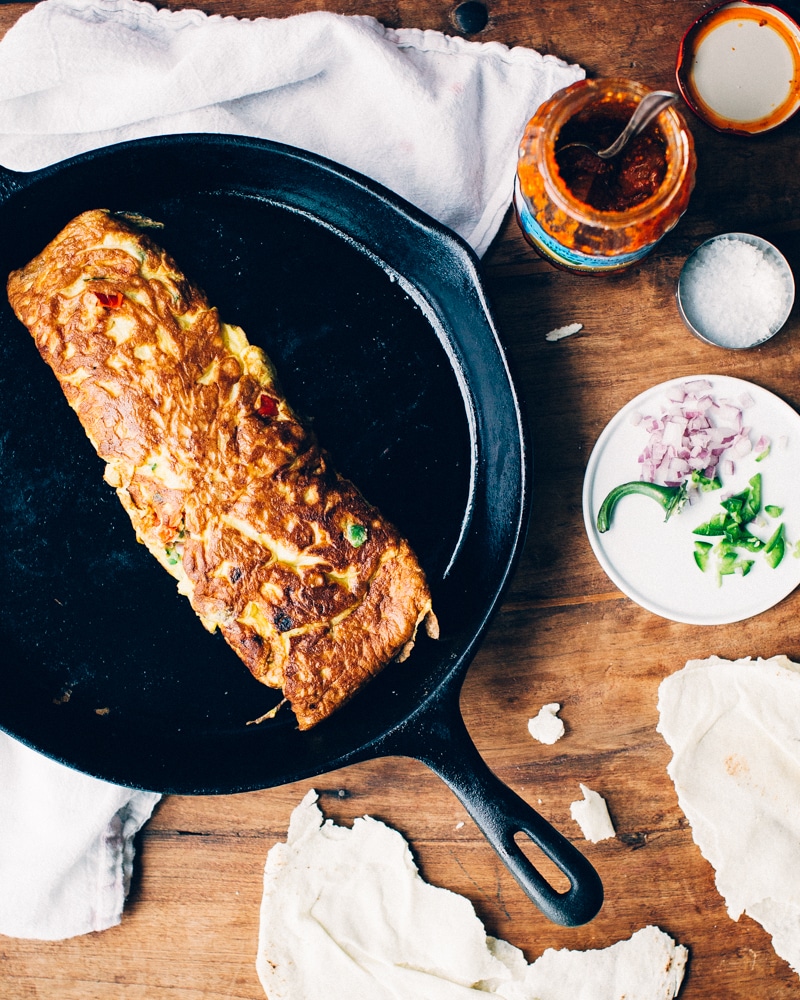
Omelette or Scrambled Eggs: Which Is Healthier?
Omelettes and scrambled eggs can be part of a healthy diet, depending on how they’re prepared, according to Harvard’s The Nutrition Source. Both dishes provide a good source of protein and essential nutrients from eggs.
The healthiness of egg-based breakfast dishes can vary based on factors like portion size, how they are cooked, and what ingredients are added to them.
Omelettes may have more calories and fat if loaded with cheese, meats, or extra oil, while scrambled eggs can be lighter if cooked with minimal oil and fewer added ingredients. Cooking your scrambled eggs in bacon fat vs coconut oil illustrates this.
Ultimately, the healthiness of either dish depends on mindful cooking and balanced ingredients.
FAQs on Scrambled Egg Vs Omelette
Just skimming through? Here are some key takeouts from this article:
Restaurant omelets are fluffy because they are cooked at low-medium heat, often with a little milk or cream.
The number of eggs depends on what size portion you are after. Consider whether you are working with a large egg or small.
Scrambled eggs are prepared by whisking eggs and cooking them in a pan until they are softly set, often stirred or folded during cooking.
Omelettes, on the other hand, are made by beating eggs, pouring them into a hot pan, and then folding them over a filling of choice.
Generally, scrambled eggs are considered easier and quicker to make compared to omelettes. With scrambled eggs, you whisk the eggs and cook them in a pan, while omelettes require a bit more finesse in folding and filling.
Both scrambled eggs and omelettes can be healthy options depending on how they are prepared and what is added to them.
Yes, many of the same ingredients can be used for scrambled eggs and omelettes. The difference lies in how these ingredients are incorporated and cooked into the dish.
Yes, both scrambled eggs and omelettes are versatile dishes that can be enjoyed for breakfast, brunch, lunch, or dinner. They can be paired with various sides such as toast, hash browns, salad, or fruit, making them suitable for any meal occasion.
A Spanish Omelette is known in Spain as a tortilla española. It is made from eggs, potatoes, onions, and olive oil.