Spices For Indian Food (A Complete Guide)

Sep 09, 2024
As a food scientist married to an Indian man, I have an enormous (nerdy?) knowledge around spices for Indian food, which to use when and how to cook with them. Let’s dive in!

Explore how to get the very best out of your spice collection in this article.
Indian Spices For Curries + Savory Dishes
Indian cuisine is renowned for its rich and complex flavors, many of which are a result of the deep layering and flavoring with various spices.
Here are some common spices for indian food used in Indian curries and savory dishes:
- Turmeric (haldi): Known for its vibrant yellow color and earthy flavor, turmeric is a staple spice in Indian cooking, adding depth and warmth to curries, rice dishes, and vegetable preparations.
- Cumin (jeera): Cumin seeds or ground cumin are frequently used to impart a nutty and slightly peppery flavor to Indian dishes. They are often roasted before being added to curries, lentils, and rice.
- Coriander (dhania): Both coriander seeds and fresh coriander leaves (cilantro) are used extensively in Indian cuisine. Coriander seeds have a warm, citrusy flavor and are commonly ground and added to curries, while fresh coriander leaves are used as a garnish.
- Bay leaves: Bay leaves are often used in Indian cooking to add a subtle, aromatic flavor to curries, rice dishes, and soups. They’re not actually a spice but usually live in the spice drawer!
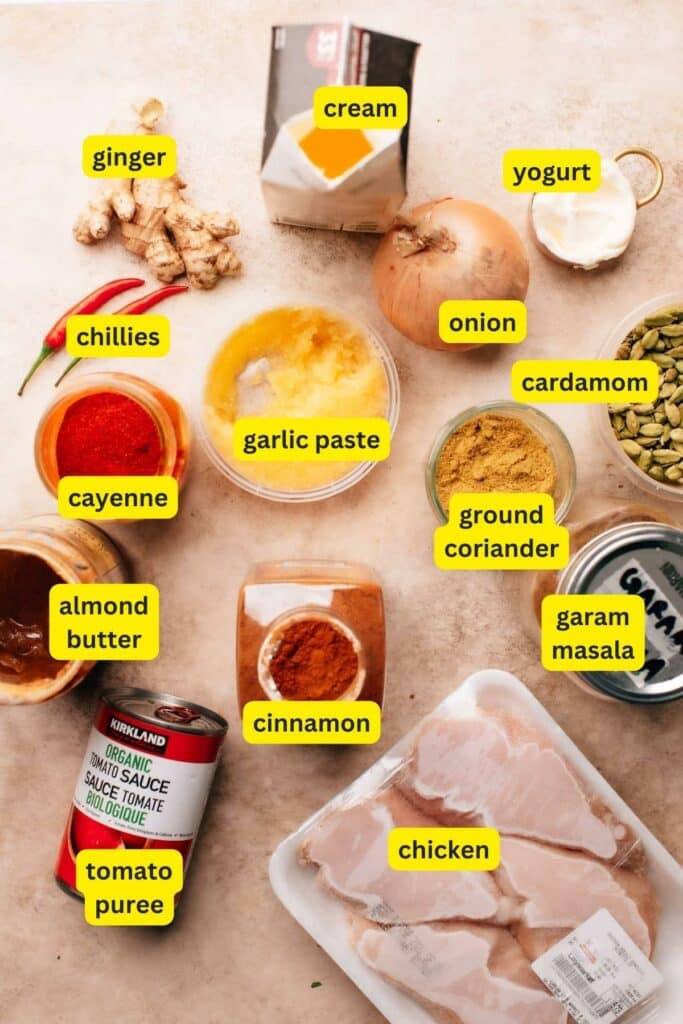
- Garam masala: A blend of ground spices, garam masala typically includes cinnamon, cardamom, cloves, black pepper, and cumin, among other spices. It adds warmth and depth of flavor to curries and other savory dishes.
- Mustard seeds (rai): Mustard seeds are often tempered in hot oil to release their nutty flavor before being added to dishes like lentils, vegetables, and pickles.
- Kashmiri chilli powder: Made from dried ground chilies, red chilli powder adds heat and color to Indian dishes. It is used in varying amounts depending on the desired level of spiciness. Cayenne works as a substitute.
See also: Cayenne Pepper vs. Chili Powder (what you need to know!) - Fenugreek seeds (methi): Fenugreek seeds have a slightly bitter taste and are used sparingly in Indian cooking, particularly in spice blends and curry powders. They add depth of flavor and distinct aroma that gives North American/British curry powder its distinct fragrance. Fenugreek leaves are commonly used in Indian cooking as well, with other herbs.
- Asafoetida (hing): Asafoetida is a pungent spice commonly used in Indian cooking, especially in vegetarian dishes. It has a strong odor when raw but adds a savory flavor when cooked. Its also sometimes spelled asafetida.
- Curry leaves: Curry leaves are aromatic leaves used to flavor many South Indian dishes. They have a citrusy flavor and are often added to tempering oil at the beginning of cooking.
- Cloves (laung): Cloves have a strong, sweet, and aromatic flavor and are used as a whole pod or ground in a pestle and mortar for dishes with meat and rice.
- Cinnamon (dalchini): Cinnamon adds warmth and sweetness to Indian dishes, particularly in meat and vegetable curries, rice dishes, and desserts.
Spices For Indian Food: Sweets + Drinks
From savory to sweet, here are the spices you are likely to find in popular and typical Indian sweet recipes and desserts:
- Green cardamom (elaichi): This spice adds a unique and aromatic flavor to desserts like kheer, gulab jamun, and rice pudding. Black cardamom also exists in Indian cooking.
- Saffron (kesar): Often used to add both flavor and color to desserts such as kheer, ras malai, and various types of Indian sweets.
- Cinnamon (dalchini): Adds warmth and a subtle sweetness to desserts like rice pudding, carrot halwa, and certain types of Indian cakes.
- Nutmeg (jaiphal): Adds a rich, nutty flavor to desserts like rice pudding, milk-based sweets, and some fruit-based desserts.
- Cloves (laung): Used sparingly, cloves add a strong, spicy flavor to desserts like rice pudding and some Indian cakes.
- Saffron (kesar): Adds a distinct flavor and a vibrant yellow color to desserts such as kheer, ras malai, and some types of Indian sweets.
- Rose water (gulab jal): While not a spice, rose water is commonly used in Indian desserts like gulab jamun, kheer, and various milk-based sweets to add a floral aroma and flavor.
- Fennel seeds (saunf): These are used in desserts like sweet rice dishes and certain types of Indian cookies to add a subtle licorice flavor.
- Poppy seeds (khus khus): Often added to desserts like Indian bread pudding (halwa), giving a nutty flavor and crunchy texture.
- Almonds, cashews, pistachios: While not spices, these nuts are commonly used in Indian sweets for their flavor, texture, and nutritional value. They are often toasted or ground and used as garnishes or incorporated into Indian desserts themselves.
Pro Tips for Cooking With Spices
So, gathering the spices is one thing, cooking with them is another. Want to know my secrets to cooking with spices?
Well, firstly, use freshly ground spices for maximum flavor. Whole spices can be toasted lightly in a dry skillet before grinding to release essential oils and enhance their flavor.
Many Indian recipes start with tempering whole spices in hot oil or ghee to release their flavors. Allow the spices to sizzle and become fragrant before adding other ingredients to the pan.
Another tip is to experiment with the balance of spices to achieve the desired flavor profile in your dish. Balance heat with sweetness, and pungency with acidity, to create a harmonious blend of flavors.
Here’s a list of what else you can do to make delicous Indian food with spices:
- Cook your spices with aromatics: Cooking spices with aromatics like onions, garlic, and ginger helps to develop their flavors and infuse them into the dish. Cook them together in oil or ghee until the onions are soft and translucent, and the spices are fragrant.
- Be mindful of heat: Spices can burn easily, so be mindful of the heat level when cooking them. Use low to medium heat and stir constantly to prevent them from sticking to the pan and burning.
- Add spices at the right time: Add ground spices towards the beginning of cooking to allow their flavors to meld with the other ingredients. Whole spices can be added earlier for a more subtle flavor or towards the end for a stronger impact.
- Experiment with spice blends: Don’t be afraid to experiment with spice blends and combinations to create unique flavors in your dishes. Mix and match different spices to find your favorite combinations.
- Adjust seasoning: Taste your dish as you cook and adjust the seasoning as needed. Add more spices if the flavor is too mild or dilute with additional ingredients if it’s too intense.
- Cook spices with liquid: Cooking spices with liquid, such as broth, coconut milk, or tomato sauce, helps to distribute their flavors evenly throughout the dish. Simmer the dish gently to allow the spices to infuse into the sauce.
- Allow time for flavors to develop: Many Indian dishes benefit from resting for a while after cooking to allow the flavors to develop and meld together. Cover the dish and let it sit for a few minutes before serving to maximize the flavor.

Storage Tips for Spices + Spice Mixes (Keep them For Longer)
Proper storage of spices is crucial for maintaining their flavor, aroma, and potency over time.
Here are 10 tips to help you store your spices properly:
- Keep them in a cool, dry place: Store spices away from heat, moisture, and direct sunlight, as exposure to these elements can cause them to lose their flavor and potency. A cool, dry pantry or cupboard is an ideal storage location.
- Use airtight containers: Transfer spices from their original packaging to airtight containers to protect them from air, which can cause them to lose their flavor and aroma. Glass jars with tight-sealing lids or metal tins are excellent options for storing spices.
- Label and date containers: Label each container with the name of the spice and the date of purchase or the date it was opened. This will help you keep track of the freshness of your spices and ensure you use them before they lose their potency.
- Keep them away from heat sources: Avoid storing spices near the stove, oven, or other heat sources, as exposure to heat can cause them to lose their flavor and aroma more quickly.
- Store whole spices longer: Whole spices generally have a longer shelf life than ground spices. Consider buying whole spices and grinding them as needed to maintain their freshness and flavor for longer periods.
- Avoid storing spices in the refrigerator: While some people store spices in the refrigerator to prolong their shelf life, the moisture in the refrigerator can cause spices to clump and lose their flavor. It’s best to store spices in a cool, dry pantry or cupboard instead.
- Keep them organized: Arrange your spices in a way that allows you to easily see and access them. Organize them alphabetically or by frequency of use to make cooking more efficient.
- Check for freshness regularly: Periodically check your spices for freshness by smelling and tasting them. If they have lost their aroma or flavor, it’s time to replace them with fresh ones.
- Avoid cross-contamination: Use clean, dry utensils when scooping spices from their containers to avoid introducing moisture or contaminants that could spoil the spices.
- Buy in small quantities: Purchase spices in quantities that you can use within a reasonable amount of time to ensure they remain fresh and flavorful. Buying in bulk may save money, but it can lead to spices losing their potency before you have a chance to use them.
Which Spices Give You Heat?
Spices that provide heat in dishes include red chili powder, cayenne pepper, black peppercorns, and red pepper flakes.
These spices contain compounds like capsaicin, which stimulate heat receptors in the mouth, causing a sensation of warmth or burning.
Other spices like mustard seeds and fresh ginger can also contribute to a sense of heat in dishes, to a lesser extent though.
The level of heat can vary widely depending on the type of spice and its concentration in the dish, allowing for customization based on individual preferences for spiciness.
Overall, these spices add depth and complexity to dishes.
Starter Kit: 5 Spices to Start with
If you want to build a basic kit of spices to get started with, these are the 5 I would suggest:
Turmeric, cumin, coriander, garam masala, chili powder.
You can make up the base of a simple curry with these.
Garam Masala Vs Masala: What’s The Difference?
The term “garam” means “hot” in Hindi, but in this context, it refers to the warming spices used in the blend rather than spiciness.
Garam masala typically includes spices like cinnamon, cardamom, cloves, black pepper, and cumin.
It adds warmth, depth, and complexity to dishes and is often added towards the end of cooking or used as a finishing spice to enhance flavor.
The term “masala” is more broad and refers to any spice blend or mixture used in Indian cooking.
There are countless variations of masalas used in different regions of India and for different dishes.
For example, “chaat masala” is a tangy and savory spice blend used to flavor street food snacks, while “tandoori masala” is a blend used for marinating meats before grilling in a tandoor oven.
Which is the Most Expensive Spice?
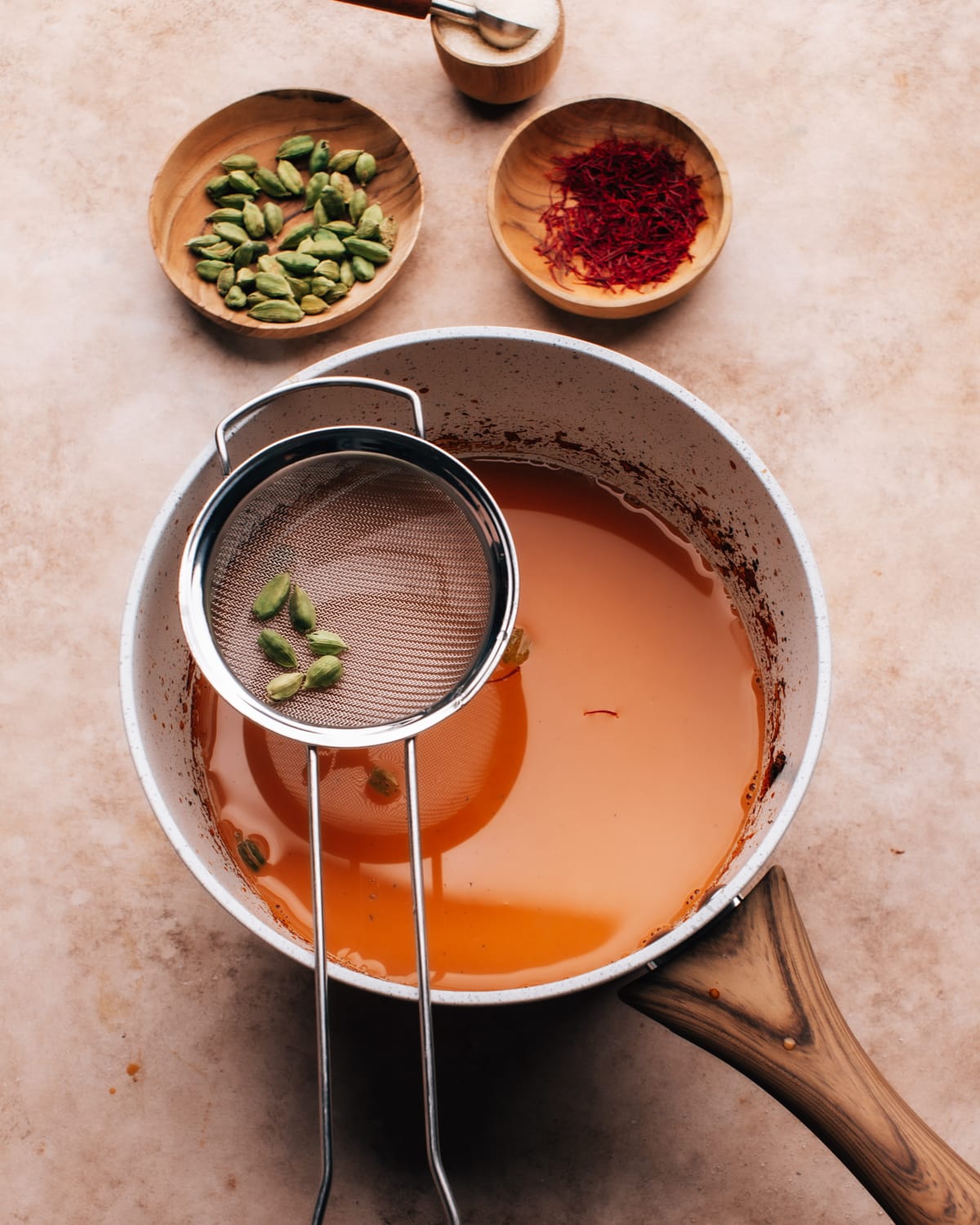
Saffron is often considered the most expensive spice in the world by weight. It is derived from the stigma of the Crocus sativus flower and is handpicked during a short window of time each year.
Saffron’s high price is due to the labor-intensive process of harvesting and its low yield per flower.
I love the earthy flavor it adds to my Karak Chai recipe.
Indian Recipes You HAVE to Try
Put some of Adarsh’s favs on your must-make list:
- The Chicken Korma that he says will change your life.
- Best-Ever Creamy Butter Chicken (one of the most popular recipes on the Foodess website!)
- Easy Homemade Butter Paneer (the vegetarian version)
- Saag Paneer (the tastiest way to eat a pound of spinach)
- Flaky Homemade Potato Samosas, Chicken Samosas and Samosa Pie (we really love samosas)
- The Butter Naan Recipe that went totally viral
- Creamy Madras Lentils (the ultimate vegetarian comfort food)
- Amma’s special Masoor Dal and Indian Chickpea Curry Recipe
- Malai Kofta (paneer and potato balls in creamy tomato sauce). It’s my favorite dish to order in an Indian restaurant and even better homemade!
- Indian Chai (tea the authentic Indian way)