
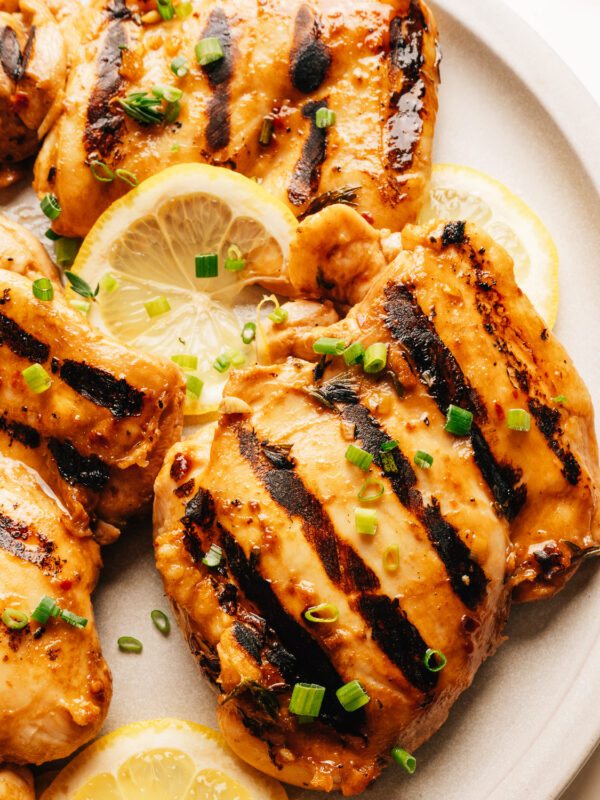
This easy Balsamic Chicken Marinade recipe whisks up from simple ingredients and makes juicy, caramelized chicken every time.
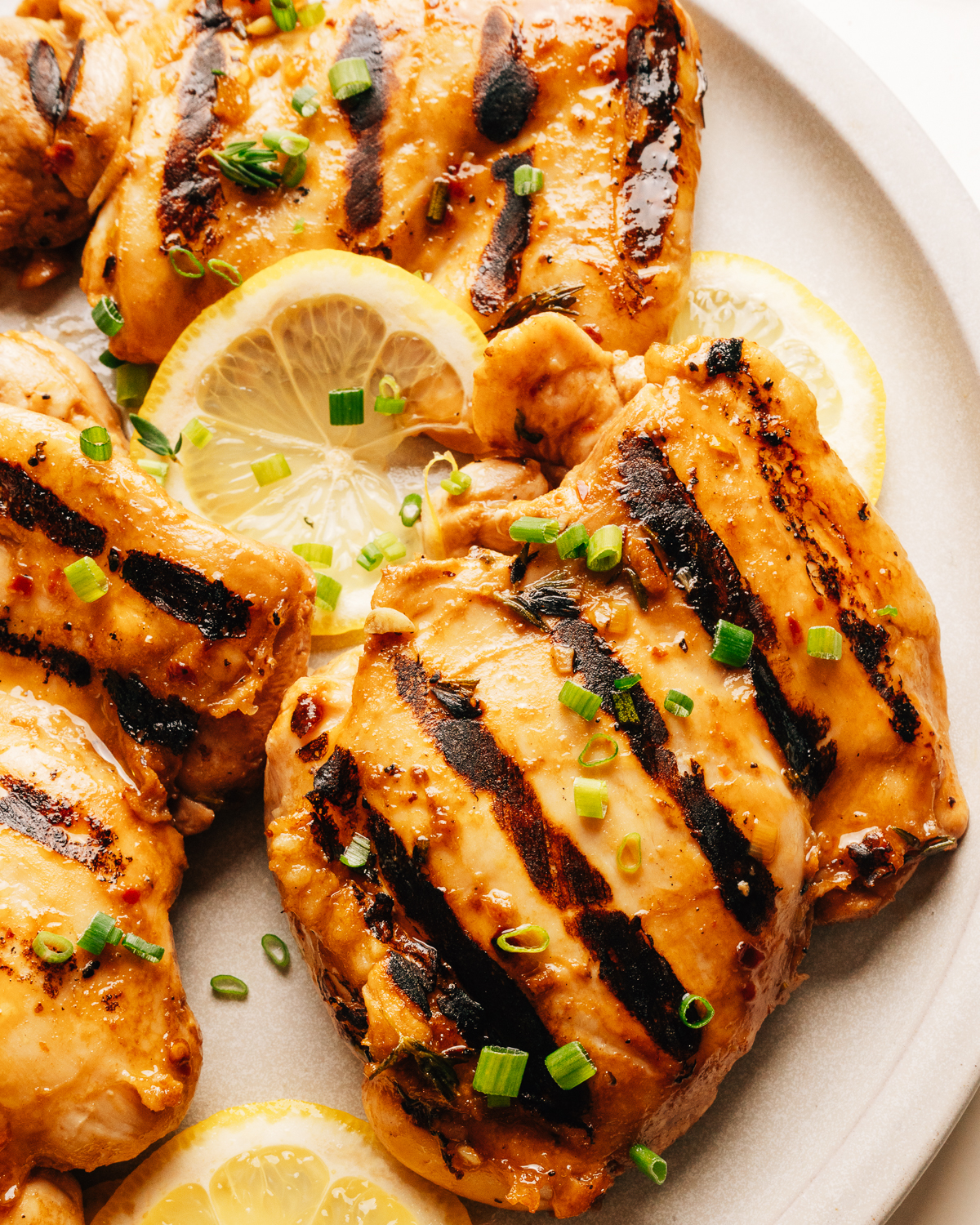
The secret is Dijon mustard. I whisk it with garlic first, then stream in the extra-virgin olive oil. The Dijon emulsifies the fat and acid so the marinade clings evenly to every piece for flavor in every bite.
Love marinated chicken? Try my teriyaki chicken marinade or lime chicken next. Both are quick weeknight dinners that come together fast.
Balsamic Chicken Marinade Ingredients
My easy balsamic chicken marinade needs just pantry basics.
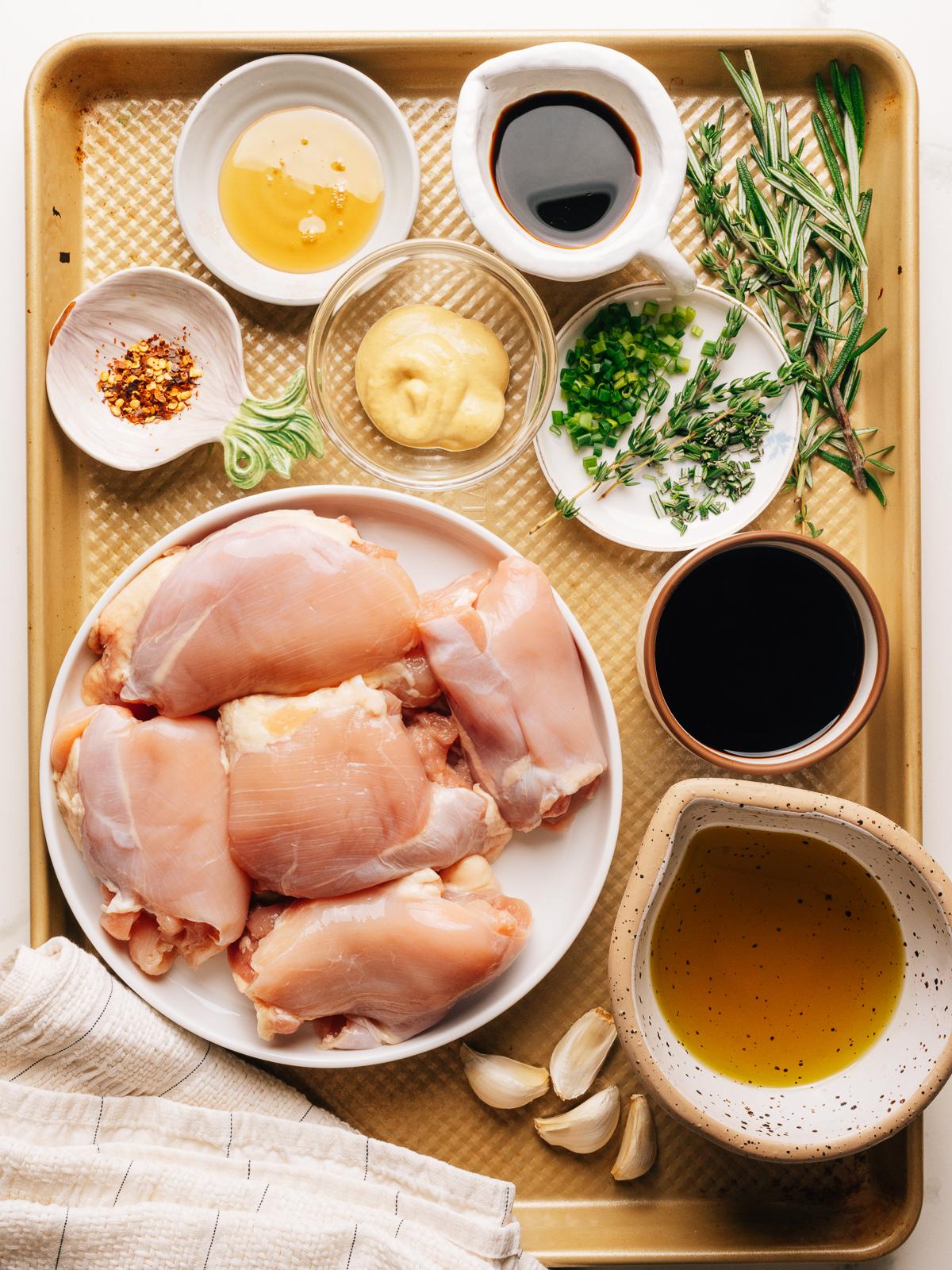
- Dijon mustard: the emulsifier that makes the marinade cling.
- Garlic: freshly minced for the best punch.
- Light olive oil: extra virgin olive oil will smoke with grilling or pan-searing.
- Balsamic vinegar
- Worcestershire sauce: adds deep, savory umami.
- Honey
- Fresh rosemary
- Fresh thyme leaves
- Red pepper flakes and freshly ground black pepper: for a gentle background heat to offset the sweetness.
- Boneless skinless chicken thighs: or boneless chicken breasts, see notes. This marinade is enough for two pounds of chicken. Use the “servings” slider in my recipe card to make more or less.
- Neutral oil: for oiling the grates.
Full recipe quantities listed in the recipe card at the bottom of the article.
Variations and Substitutions
Because this balsamic marinade is so flexible, it is easy to make your own. Here are my favorite swaps.
- Chicken breasts: pound to even thickness and marinate 2 to 4 hours.
- More heat: double the red pepper flakes or add a pinch of cayenne.
- No fresh herbs: use 1 tsp each of dried rosemary, thyme, or oregano.
- No honey: swap in a teaspoon of brown sugar instead.
- Sweeter glaze: stir in another teaspoon of honey.
- Other proteins: this works on pork or salmon too. Try my pork tenderloin marinade for another easy option.
Grab These Tools
You only need a few basics for this grilled chicken.
- Whisk and bowl: for building the emulsified marinade.
- Zip-top bag or shallow dish: to marinate the chicken.
- Grill: gas or charcoal, set up with two heat zones.
- Tongs: to oil the grates and flip the chicken.
- Meat thermometer: an instant-read model to check internal temperature; pull the thighs at 175°F.
How to Make Balsamic Chicken: An Easy Guide
Cook it on the grill, seared over medium heat, or in the air fryer. Let me walk you through how to make it on the grill. Most of the time is hands-off marinating.
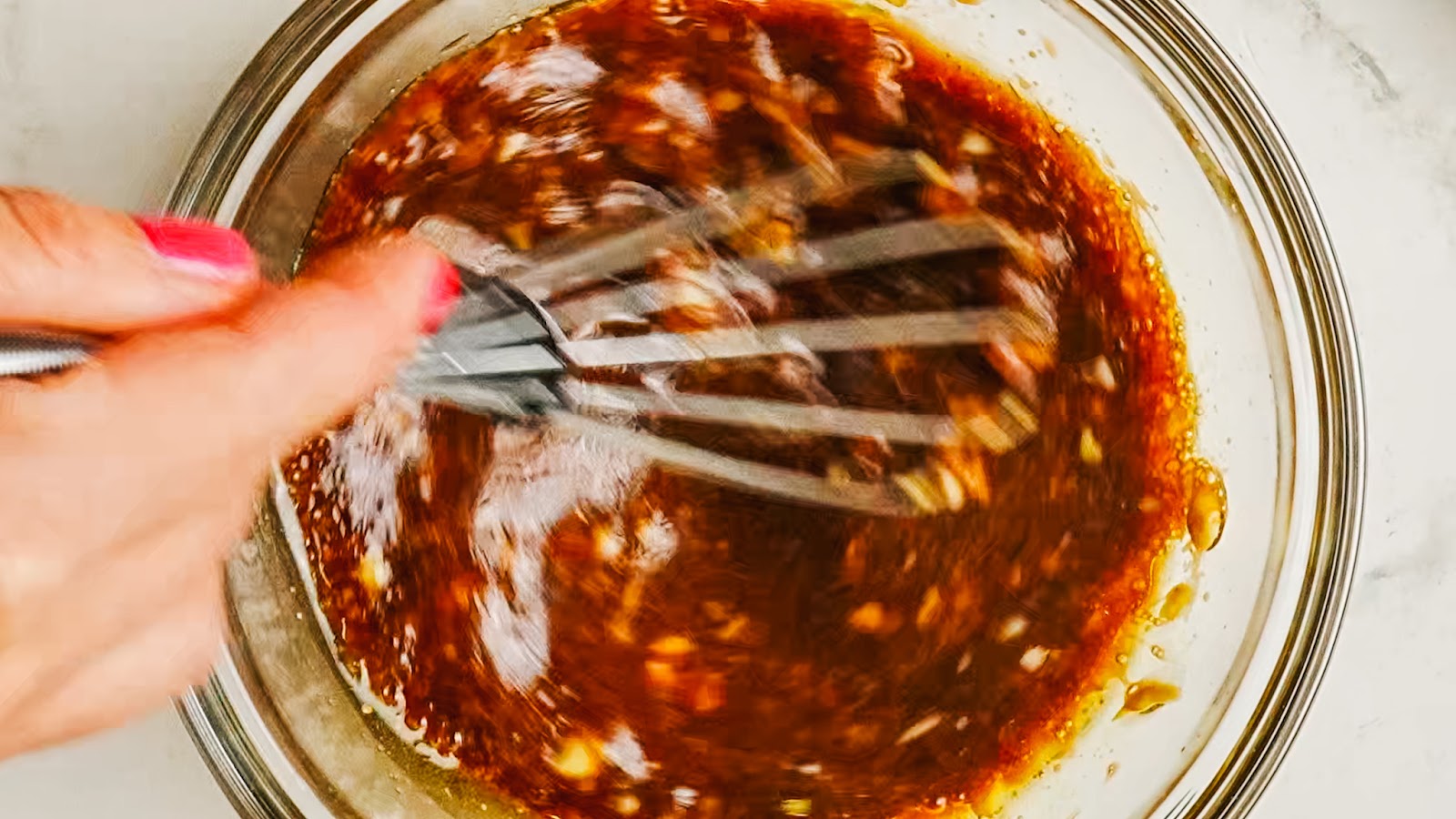
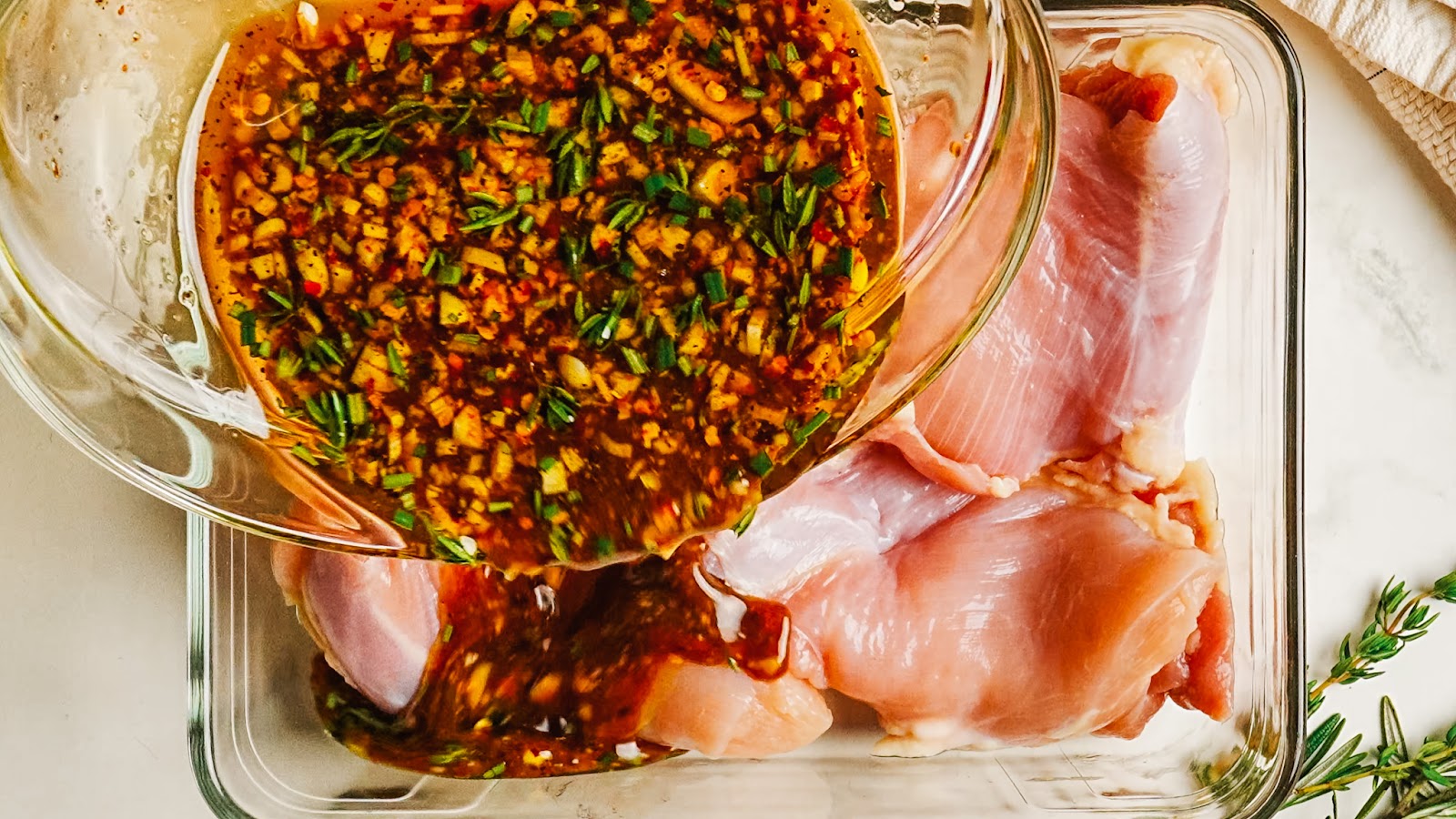
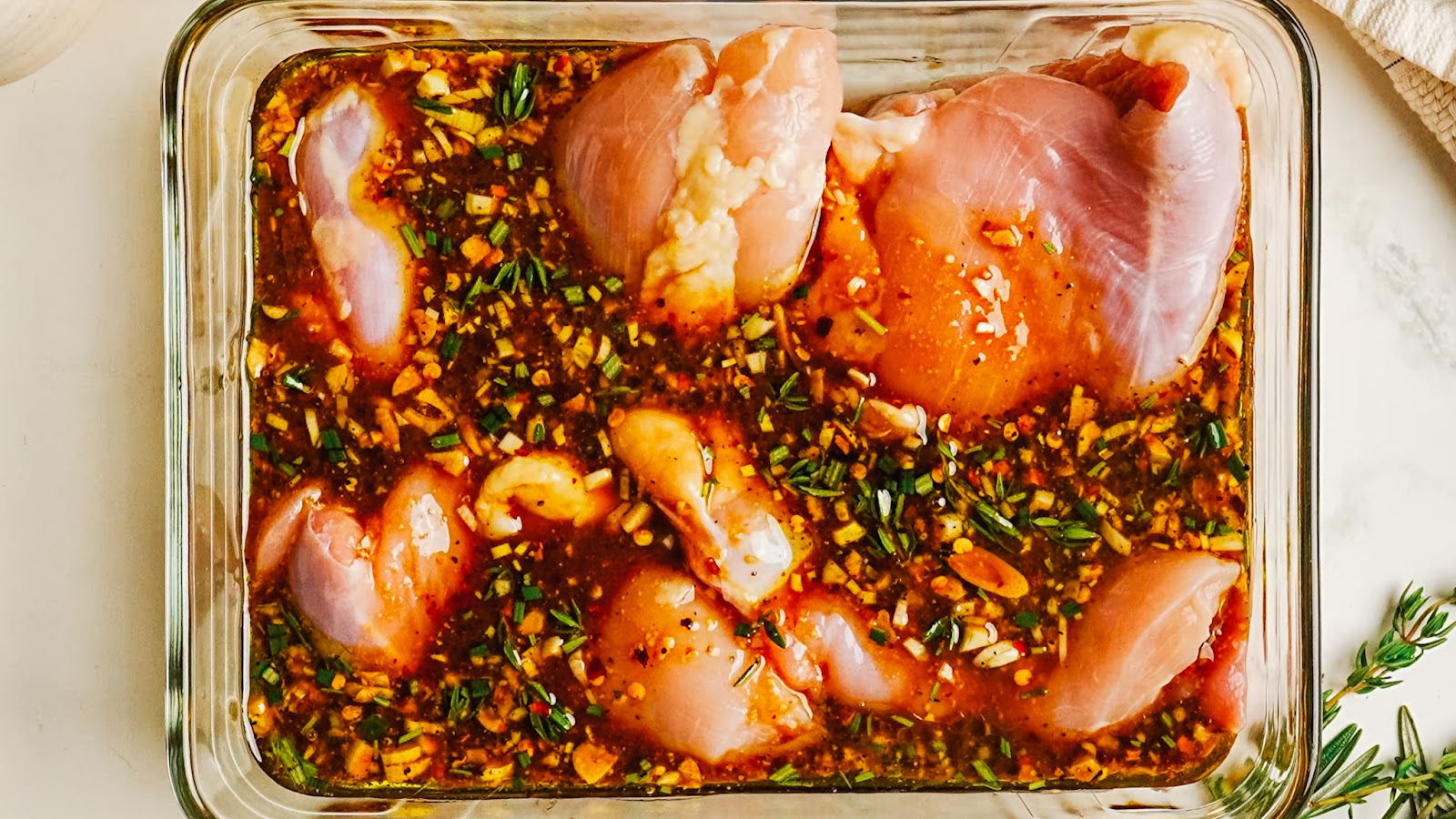
Build the Emulsified Marinade
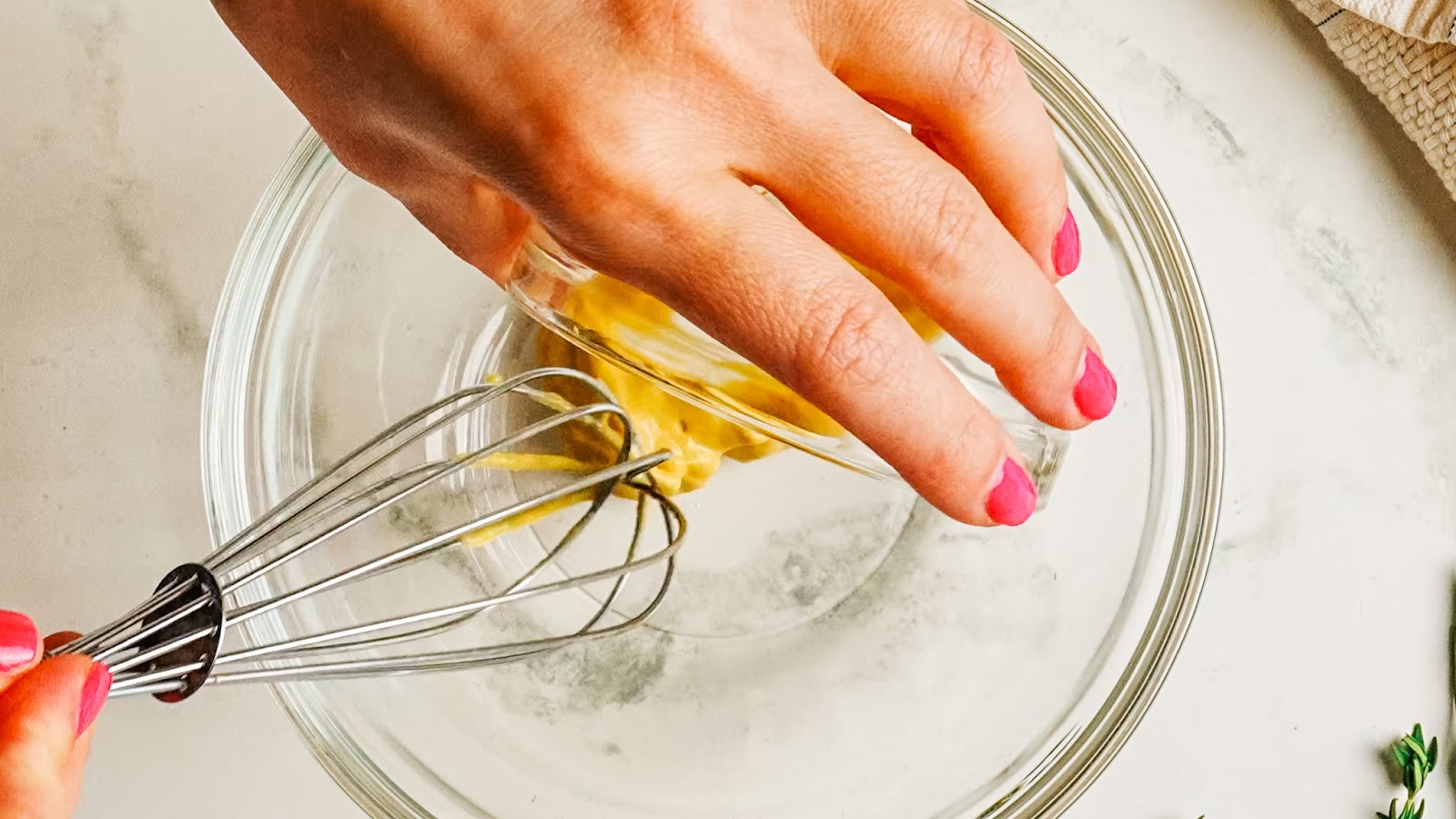
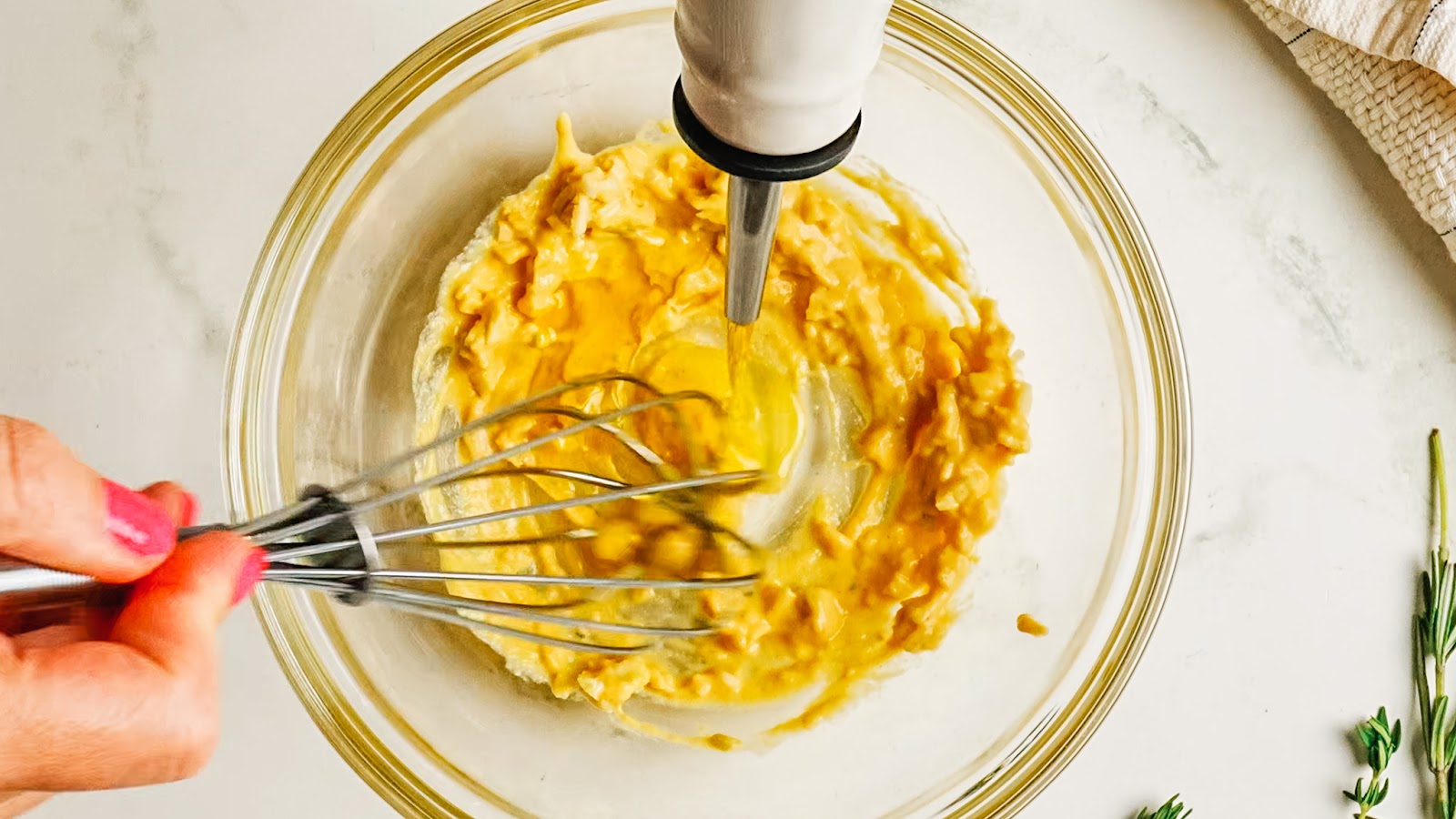
Whisk the Dijon and minced garlic together first until smooth. Slowly stream in the olive oil while you whisk.
Then whisk in the balsamic vinegar, Worcestershire, honey, herbs, salt, pepper, and red pepper flakes. After that, the marinade should look glossy and slightly thick.
Marinate the Chicken
Next, place chicken in a zip-top bag or shallow baking dish. Then pour the marinade over and toss to coat.
Refrigerate 2 to 4 hours for breasts, or 4 to 8 hours for thighs. Because thighs are sturdier, the longer soak seasons them all the way through.
Cook the Chicken
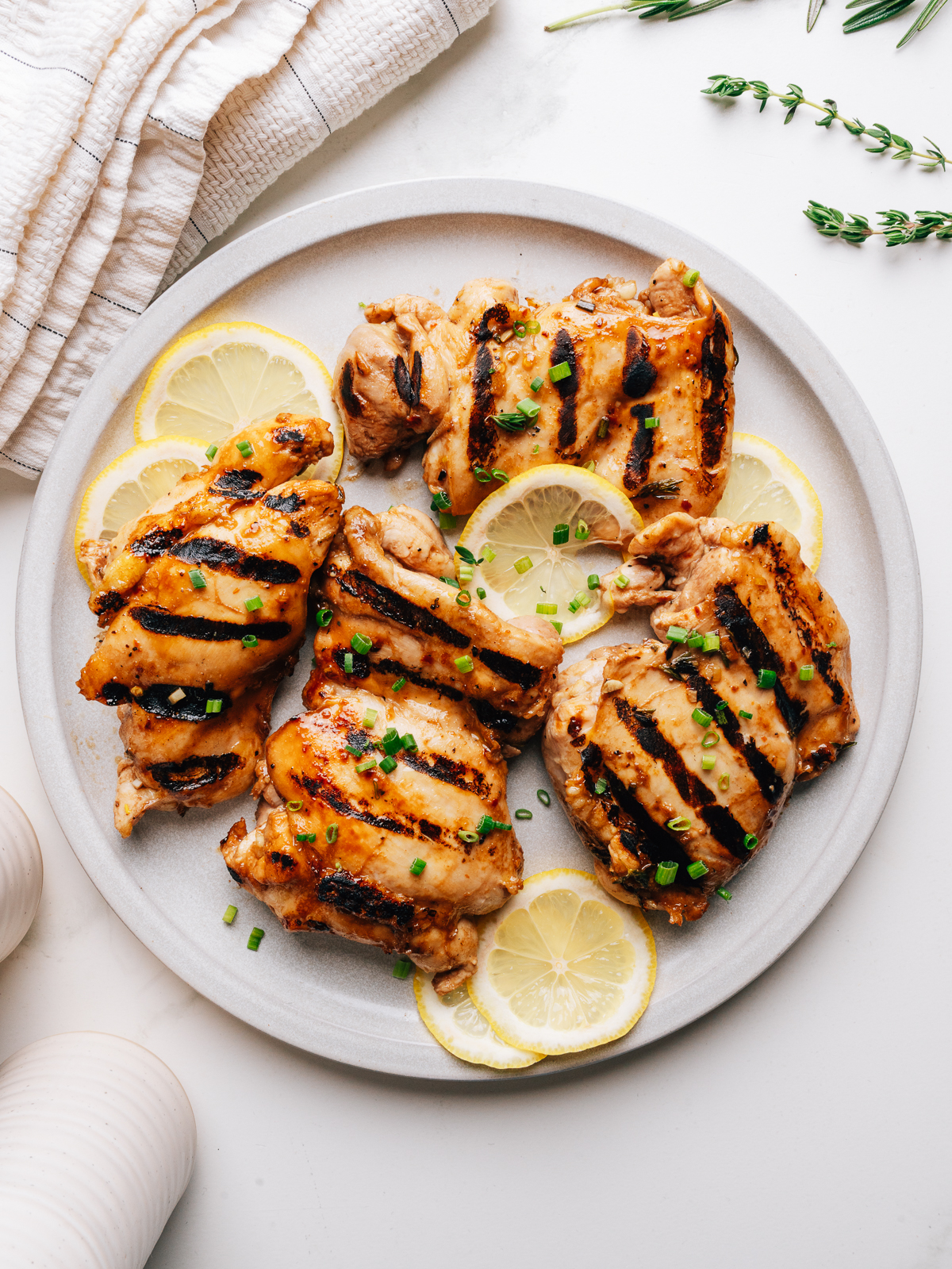
You can cook the chicken however you like, but grilling is my go-to method. I cook them over a hot zone of my bbq, smooth-side down. Then do not move them for 4 to 5 minutes.
When they release easily, flip and cook 4 to 5 minutes more. Slide any that darken too fast to the cool side and close the lid until they reach 175°F.
Full details and tips are in my grilled boneless chicken thighs recipe. Here’s how to air fry boneless chicken thighs, too!
Rest and Serve
Rest the chicken 5 minutes so the juices redistribute. Finally, top with a few minced chives and serve.
3 Common Mistakes When Making Chicken Marinade
Here are the most frequent mix-ups to avoid when making balsamic chicken marinade:
- Skipping the emulsion: if you dump everything in at once, the oil and acid separate and won’t make an even coating on the chicken. Whisk the Dijon and oil first.
- Over-marinating: the acid can turn lean meat meat mushy. The sweet spot is about 4 hours.
- Cooking over high direct heat only: the honey and balsamic scorch fast. You’ll often need a lower heat to finish cooking through.
Make Ahead and Storage
Because this marinade is built for make-ahead cooking, it stores really well. Here is how I keep everything.
Storing Leftovers
- Fridge: keep cooked chicken in an airtight container up to 4 days.
- Slice later: store it whole, then slice as you need it.
Freezing
- Marinate and freeze: freeze raw chicken right in the marinade up to 3 months.
- Thaw first: defrost overnight in the fridge, which also marinates as it thaws.
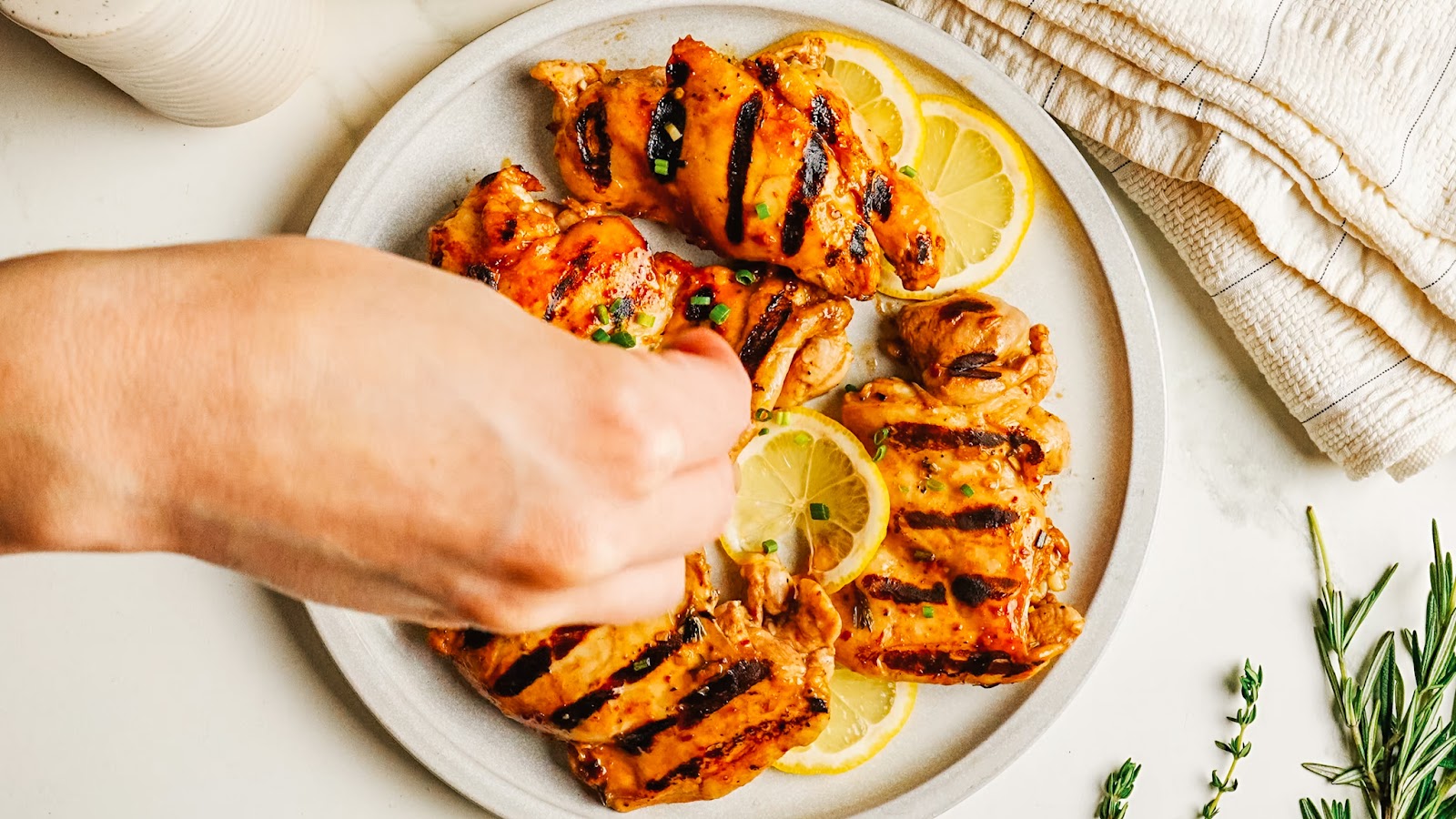
How to Serve This Balsamic Chicken Recipe
Of course, this grilled chicken works with almost any summer side. So I lean on my best summer salads and slaws when the grill is already going. I love to serve it with couscous salad or caprese pasta salad. I always make enough to have leftovers for lunch as lettuce wraps.
Balsamic Chicken Toppings
- Fresh chives or more thyme/rosemary leaves to garnish.
- Balsamic glaze: a quick drizzle for extra tang and shine.
- Lemon halves: grill them and add to the platter – super pretty.
Side Dishes for Balsamic Chicken
- Pasta salad: any of my creamy pasta salads are perfect here.
- Cookout spread: build a full menu from my cookout ideas.
- More from the grill: see my favorite grilling recipes.
How to Make the Best Balsamic Chicken: Final Notes + Secrets
Finally, a few small details turn simple ingredients into the best grilled balsamic chicken every time.
- Emulsify first: the Dijon binds the oil and acid so the marinade coats evenly.
- Salt early: the salt in the marinade seasons the meat deep down as it sits.
- Start at room temp: let the chicken sit out briefly so it grills evenly.
- Watch the sugar: honey and balsamic char fast, so keep that cool zone ready.
- Cook thighs hotter: 175°F renders the fat and turns the collagen to gelatin, keeping thighs silky tender, not rubbery.
- Always rest: 5 minutes off the heat locks in the moisture and juices.
FAQs About Balsamic Chicken Marinade
Just skimming through? Here are some quick answers to the commonly-asked questions.
Marinate boneless skinless thighs 4 to 8 hours for the deepest flavor. Chicken breasts need only 2 to 4 hours. The acid in the balsamic can soften lean breast meat, so do not push breasts past 4 hours or the texture suffers.
Yes, balsamic marinade works great on boneless skinless chicken breasts. Pound them to an even thickness first so they cook through at the same rate. Marinate 2 to 4 hours, then grill over the hot zone until they reach 165°F internal. Rest before slicing.
Whisking the Dijon and oil first creates an emulsion. The mustard binds the fat and the acid together so the marinade turns thick and glossy. That coating clings to the chicken instead of sliding off, which means more even flavor in every single bite.
Yes, you can make balsamic chicken without a grill. Sear the thighs in a hot cast iron skillet. You can also bake them in a baking dish in a 425°F oven, or air fry them. Cook to 175°F and lower the heat if the sugars brown too fast.
Do not reuse marinade that touched raw chicken as a sauce. The raw juices make it unsafe. If you want a drizzle, set aside a little fresh marinade before adding the chicken. You can also boil used marinade for a full minute to make it safe.
Pull boneless thighs at 175°F internal. That is hotter than the 165°F minimum for chicken, and that is on purpose. The extra heat melts the connective tissue in thighs, leaving them tender and juicy instead of rubbery. Use a meat thermometer to check.
Yes, freezing chicken in the marinade works beautifully. Add the raw chicken and marinade to a zip-top bag and freeze up to 3 months. Thaw it overnight in the fridge, where it marinates as it defrosts. Then grill as the recipe directs.
Balsamic chicken pairs with almost any summer side. I love it with pasta salad, a crisp green salad, or grilled vegetables. Crusty bread is great for soaking up the juices. For a full spread, build a menu from my cookout and grilling recipe collections.
Other Chicken Recipes You’ll Love
- Grilled Honey Mustard Chicken Thighs
- Teriyaki Chicken Marinade
- Sweet and Spicy Lime Marinated Chicken
- Yogurt Marinated Indian Spiced Grilled Chicken
- Parmesan-Marinated Chicken Skewers
- Chicken Drumstick Recipes
Save any extra marinade base and whisk up my balsamic vinaigrette recipe for salads all week.
Balsamic Chicken Marinade
Video
Ingredients
- 2 tbsp Dijon mustard
- 4 tsp minced garlic about 4 cloves
- 3 tbsp olive oil
- ⅓ cup balsamic vinegar
- 2 tbsp Worcestershire sauce
- 1 tbsp honey
- 1 tbsp fresh rosemary finely minced
- 1 tbsp fresh thyme leaves
- 2 tsp kosher salt
- ½ tsp freshly ground black pepper
- ½ tsp red pepper flakes
- 2 lb boneless skinless chicken breasts or thighs
- fresh chives minced, for garnish
Instructions
- Whisk the Dijon and minced garlic together until smooth. Slowly stream in the olive oil while whisking to build an emulsion.
- Whisk in the balsamic vinegar, Worcestershire, honey, rosemary, thyme, salt, black pepper, and red pepper flakes.
- Place the chicken in a zip-top bag or shallow dish. Pour the marinade over and toss to coat. Refrigerate 2 to 8 hours.
- To grill: cook over medium-high heat 4 to 5 minutes per side.
- To bake: roast at 425°F for 18 to 25 minutes.
- To pan-sear: cook in a hot oiled skillet 4 to 5 minutes per side.
- Cook to 165°F for breasts or 175°F for thighs. Rest 5 minutes, then garnish with chives.
Notes
Nutrition
Nutrition information is automatically calculated, so should only be used as an approximation.









Used this on chicken thighs for the grill last night and wow — the balsamic gave such a lovely tangy depth and a gorgeous char. So easy to throw together and we’ll be making it all summer long.
This is my new go-to marinade! I let the chicken sit a couple hours like you said and it came off the grill so juicy with those gorgeous caramelized edges. Already made it twice this week.