Pappardelle Vs Egg Noodles (Avoid Making Substitution Mistakes!)

Oct 12, 2024
This guide covers pappardelle vs egg noodles and the key differences between them. I’ve got you covered here if you’re trying to figure out if you can use them interchangeably in a recipe.
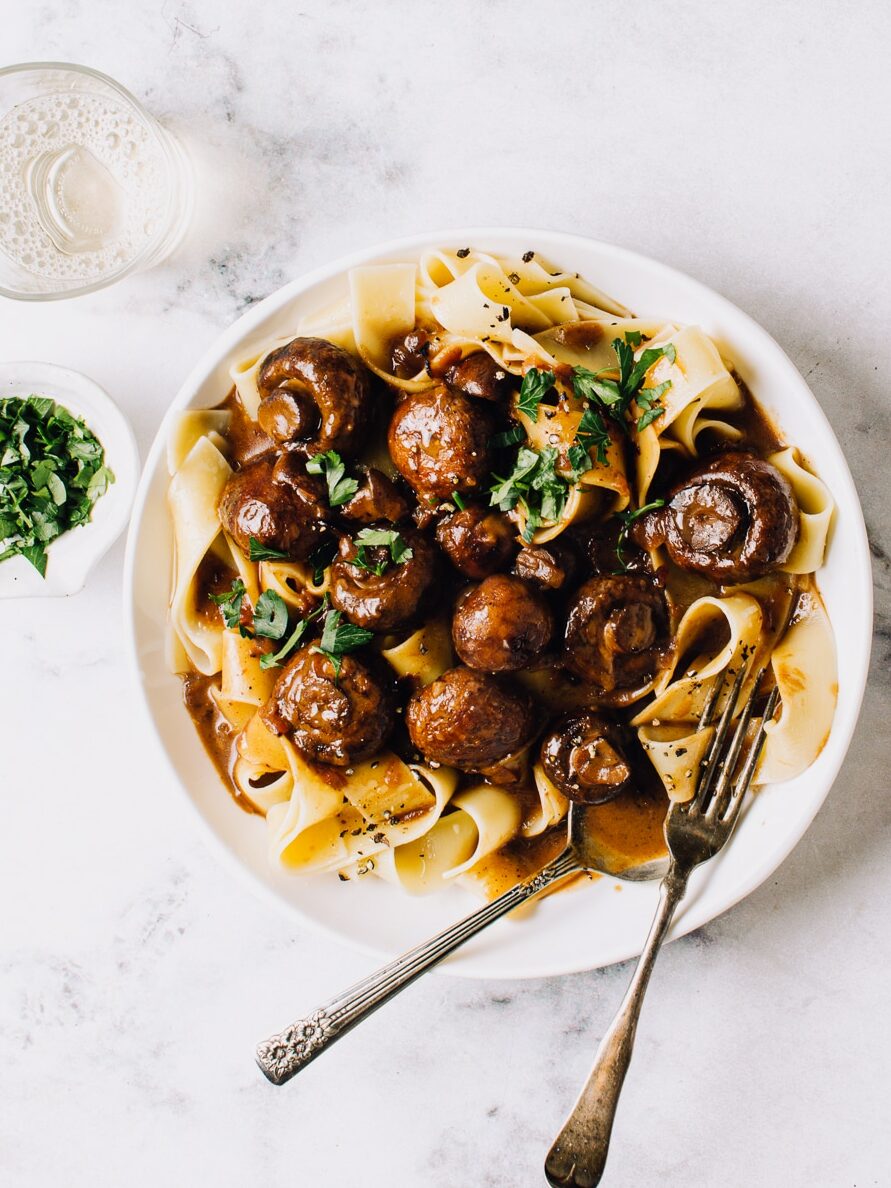
While we are on the subject, you’ve got to try my 30-minute creamy mushroom pappardelle recipe.
Pappardelle Vs Egg Noodles: The Short Answer
Pappardelle and egg noodles are both wide, flat noodles, but they have some differences.
- Pappardelle is Italian pasta made with durum wheat, water, and eggs, though store-bought versions may not have eggs. It’s chewy and works well with rich meat sauces.
- Egg noodles always contain eggs and are softer and more delicate. They can break apart more easily. They’re used in many cuisines, like Chinese and Eastern European, in dishes like soups and stir-fries.
Pappardelle is mainly Italian, while egg noodles are found in many cultures.
See Also: Egg Noodles vs Pasta

Can Pappardelle Replace Egg Noodles In Recipes?
In some recipes, yes, you may be able to replace pappardelle for egg noodles and vice versa. It really depends on the recipe what you’re hoping to achieve with your dish.
While pappardelle and egg noodles share similarities, they are relatively different in terms of texture and flavor.
It is important to consider each pasta’s flavor profile and how it complements the other ingredients in the recipe.
Pappardelle works well in a variety of sauces (especially hearty, meat sauces) or creamy sauces. Its width and flat shape allow it to cling to sauces effectively.
Flat, wide Asian egg noodles are sturdy enough to stand in for pappardelle and can be swapped in. Thinner Asian egg noodles (like in this delicious coconut laksa with shrimp) will change the dish’s texture significantly.
On the other hand, European short egg noodles are delicate and commonly used in dishes like soups and stroganoff. These one’s don’t make a good substitute for pappardelle in recipes.

Pappardelle Vs Egg Noodles: Ingredients
Here is a summary of the ingredients in each ingredient:
- Pappardelle noodles: Pappardelle is typically made from durum wheat semolina flour and water. It may or may not contain egg in its recipe.
- Egg noodles: Egg noodles as the name suggests, are made with flour, water, and eggs.
Pappardelle Vs Egg Noodles: Texture + Taste
Here are the key points around their textures and tastes:
- Pappardelle noodles: Pappardelle has a broad, flat shape and a slightly chewy texture. It has a neutral flavor that pairs well with various sauces and toppings.
- Egg noodles: Egg noodles tend to be softer and more tender compared to pappardelle. These noodles may have a richer egg taste than pasta.
Pappardelle Vs Egg Noodles: Origins
Here is what you need to know about their origins:
- Pappardelle noodles: Pappardelle originated in Tuscany, Italy. These wide noodles are traditionally served with hearty meat-based sauces, such as wild boar ragùs with roasted mushrooms.
- Egg noodles: Egg pasta ribbons originated in various cuisines, including Chinese and Eastern European. They are commonly used in chicken noodle soup and lo mein.
Pappardelle Vs Egg Noodles: Which Is More Popular?
- Pappardelle: Pappardelle is popular in Italian cuisine and is widely enjoyed in many regions around the world.
- Egg Noodles: Egg noodles have a broader cultural presence, being used in diverse dishes across different cuisines. They are especially popular in Asian and Eastern European cuisines, used in soups, stir-fries, and noodle-based dishes.
How to Cook Pappardelle vs Egg Noodles
Here’s a quick look at how each type of noodle is cooked. As you can see, the cooking times are a little different:
Cooking Pappardelle
- Boil water: Fill a large pot with water and bring it to a rolling boil. Add salt to the water.
- Add pappardelle: Once the water is boiling, gently add the pappardelle pasta to the pot. Stir gently to prevent sticking.
- Cook until al dente: Allow the pappardelle to cook, stirring occasionally, until it reaches the desired level of doneness, typically around 8-10 minutes for dried pasta. Fresh pasta takes only 2-3 minutes. Test for doneness by tasting a piece; it should be firm to the bite (al dente).
- Drain: Once the pappardelle is cooked to your liking, remove the pot from the heat and carefully drain the pasta in a colander. Shake off excess water and serve immediately. If you need to keep it aside until later – toss it in a little olive oil.
Cooking Egg Noodles
- Boil Water: Fill a large pot with water and bring it to a boil. Add salt.
- Add egg noodles: Once the water is boiling, add the egg noodles to the pot. Stir gently to separate the noodles and prevent clumping.
- Cook until render: Allow the egg noodles to cook, stirring occasionally, until they are tender but still slightly firm to the bite, usually around 6-8 minutes.
- Drain and rinse (Optional): Once the egg noodles are cooked, drain them in a colander. Some recipes may call for rinsing the noodles under cold water to stop the cooking process and prevent them from sticking together.
- Serve: After draining, the egg noodles are ready to be served. They can be enjoyed with various sauces, stir-fries, soups, or as part of noodle-based dishes.
Adjust cooking times based on your preferences for texture.
FAQs on Pappardelle Vs Egg Noodles
Just skimming through? Here are some quick answers to commonly-asked questions about Pappardelle Vs Egg Noodles:
No, egg noodles and pappardelle differ in terms of ingredients, flavor, origin, and texture.
The answer is yes and no. Pappardelle works well with hearty sauces, while egg noodles are often used in soups, stir-fries, and noodle-based dishes. However, in some recipes, you may be able to substitute one for the other.
Traditional pappardelle and egg noodles are typically made from wheat flour, which contains gluten. However, gluten-free versions of both pasta types are available in specialty stores.
Pappardelle and egg noodles are both cooked by boiling them in salted water until they reach the desired level of doneness. Pappardelle typically takes around 8-10 minutes to cook, while egg noodles cook in approximately 6-8 minutes.
Pappardelle originated in Tuscany, Italy, and is a staple in Italian cuisine. Egg noodles have diverse cultural origins, including Chinese and Eastern European cuisines.
You can try using other wide and flat pasta varieties, such as fettuccine or tagliatelle. These pasta shapes have similar textures and widths, making them suitable alternatives for dishes that call for pappardelle.
No, egg noodles are not the same as pappardelle. While both are wide and flat pasta shapes, they differ in their ingredients and culinary origins.
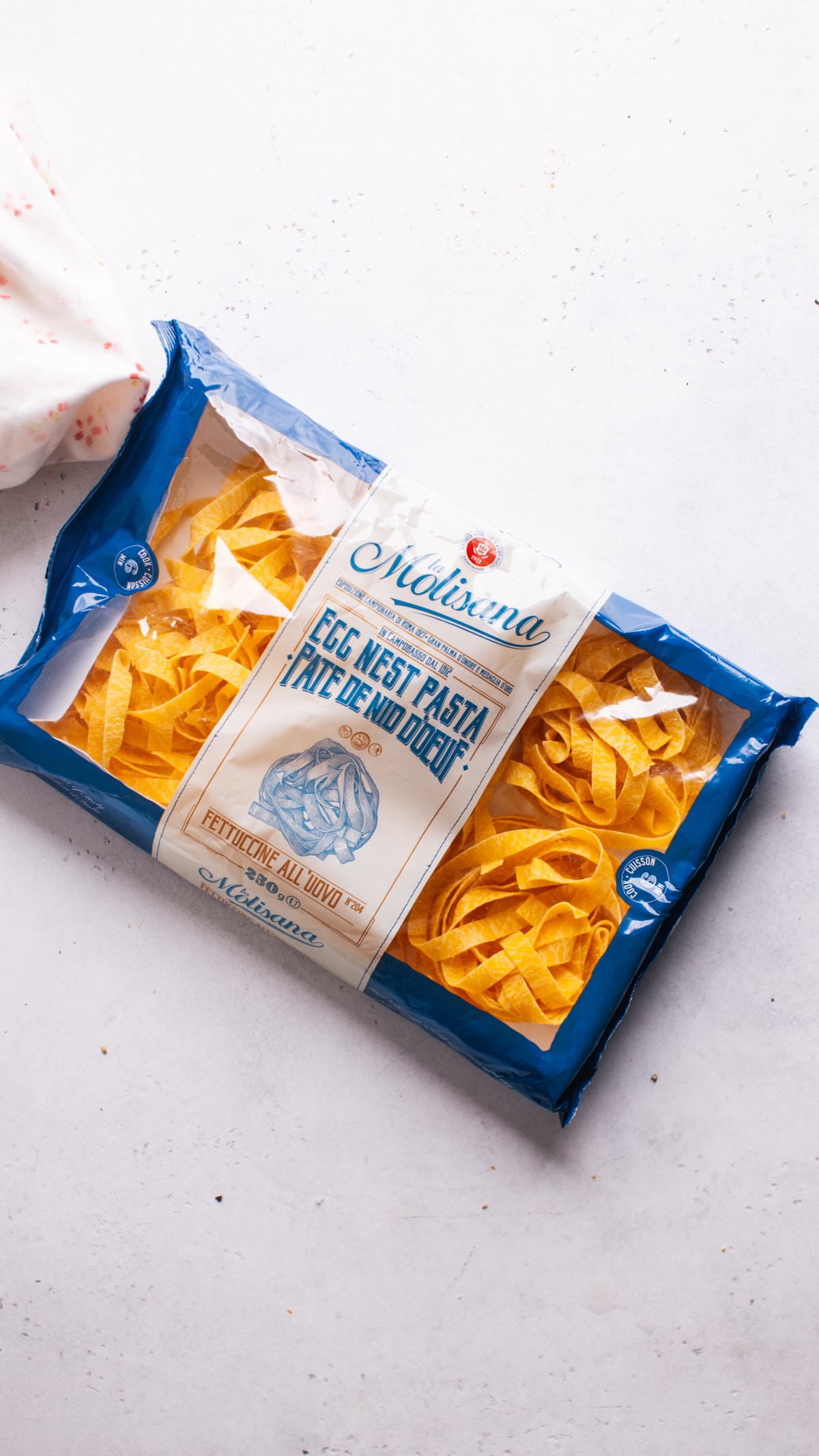
Pappardelle pasta is sometimes formed into nests for packaging and presentation purposes. Nests help keep the long, wide strands of pappardelle from tangling and breaking during storage and transport.
Egg noodles and traditional pasta may have similar textures, but they do not taste the same.