Boiled Eggs vs Scrambled (Which is Better?)

Oct 23, 2024
Boiled eggs Vs scrambled: which is healthier, and how are they different? As a registered dietitian, food scientist, and lover of breakfast- here is my guide on which is healthier (+ BONUS: how to prepare perfect boiled and scrambled eggs)

Boiled Eggs Vs Scrambled: At A Glance
Looking for a short answer? Here are the key nutrition differences for boiled vs scrambled eggs:
- Boiled eggs are cooked in water with no added fats, while scrambled eggs are usually cooked with butter, oil, or milk.
- Therefore, boiled eggs have about 70 calories per large egg, while scrambled eggs can have 90-100 calories, depending on added fats.
- Both boiled and scrambled eggs provide around 6 grams of protein per large egg.
- Boiled eggs are lower in calories and fat compared to scrambled eggs due to the lack of added fats.
- Scrambled eggs allow for additions like veggies, milk, cheese, and herbs, potentially boosting their nutritional value.
- Boiled eggs contain roughly 186 mg of cholesterol per large egg, and scrambled eggs may contain slightly more if cooked with additional ingredients.
- There is a higher food safety risk with boiled eggs if they aren’t fully cooked.
Boiled Eggs vs Scrambled: Taste + Technique
When comparing scrambled eggs to boiled eggs, there are two main distinctions: the cooking method and the final texture.
Scrambled eggs are typically prepared by whisking eggs and cooking them on a medium heat in a pan with melted butter or oil. The eggs are consistently stirred until fully cooked.
Boiled eggs are cooked in boiling water until they are at the desired doneness.
The texture of boiled eggs is firm and smooth compared to the fluffy texture of scrambled eggs.
Boiled Eggs Vs Scrambled: Which Is Healthier?
Really, while both boiled and scrambled eggs are considered healthy, the main difference lies in what is added to them.
- Boiled eggs are generally lower in calories and fat since they are cooked without added oils or butter, making them a slightly healthier option vs scrambled.
- Scrambled eggs, on the other hand, while higher in calories when cooked with fats, can offer extra nutritional benefits if you add veggies or herbs.
Another health consideration is food safety. Check out Soft-Boiled Eggs vs. Hard Boiled for the lowdown on food safety risk with some boiled eggs.
Nutrients In Whole Eggs
Eggs are loaded with nutrition, here are the highlights according to the National Library of Medicine.
- Protein: Whole eggs are a complete source of protein along with all essential amino acids.
- Vitamin D, A, E, and K: The yolk of the egg is rich in fat-soluble vitamins, including vitamin A, D, E, and K, which play various roles in vision, bone health, immune function, and blood clotting.
- B-complex vitamins: Whole eggs are a good source of several B vitamins, including riboflavin (B2), pantothenic acid (B5), and B12, which are essential for energy production, metabolism, and nerve function.
- Choline: Egg yolks are one of the best dietary sources of choline. This is a nutrient important for brain health, liver function, and fetal development during pregnancy.
- Lutein and zeaxanthin: Egg yolks contain lutein and zeaxanthin, antioxidants that support eye health and may help reduce the risk of age-related macular degeneration.
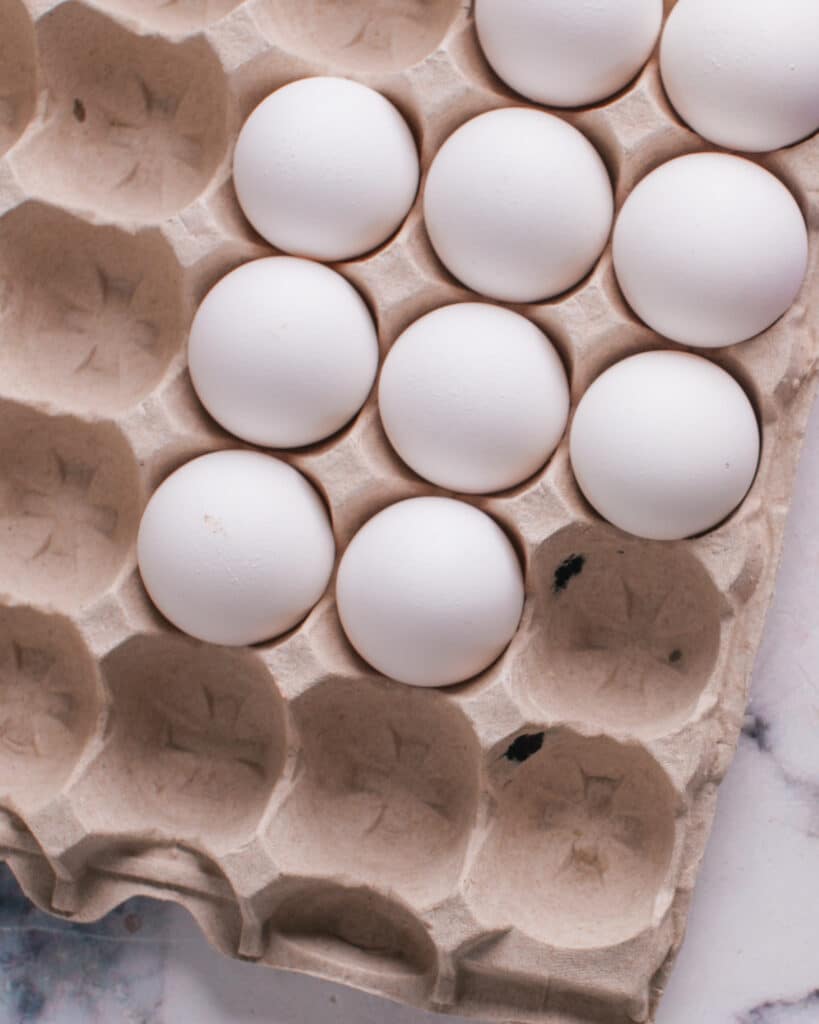
Protein In Boiled Eggs vs Scrambled
Both boiled and scrambled eggs offer a good amount of protein, but the preparation methods can slightly affect their nutritional profiles.
Boiled eggs: Boiled eggs retain their protein content well since they are cooked in water. A large boiled egg typically contains around 6 grams of protein, making it an excellent source of this essential nutrient.
Scrambled eggs: Scrambled eggs, prepared with added milk or cream, may dilute the protein concentration slightly. However, the difference is minimal. Scrambled eggs still provide a significant protein boost, with about 6 grams per large egg.
Whether you choose boiled or scrambled eggs, you can count on both as reliable sources of high-quality protein to fuel your day.
Cholesterol In Boiled Eggs vs Scrambled
Both boiled and scrambled eggs contain cholesterol, but the quantity can vary, according to this article from Harvard School of Public Health, depending on the portion size and additional ingredients.
Boiled eggs: Boiled eggs contain roughly 186 milligrams of cholesterol per large egg. While this may seem high, it’s important to note that dietary cholesterol doesn’t necessarily raise blood cholesterol levels significantly in most people.
Scrambled eggs: Scrambled eggs, especially if made with whole eggs and additional ingredients like cheese or butter, may contain slightly more cholesterol than boiled eggs.
However, the difference is typically minimal and primarily depends on how the eggs are prepared and what ingredients are added.
In moderation, boiled and scrambled eggs can be part of a balanced diet without significantly impacting cholesterol levels for most individuals.
According to The WHO, eggs are absolutely part of a healthy, balanced diet.
It’s important to consider overall dietary habits and consult a healthcare professional for personalized nutritional guidance.

Calories In Boiled Eggs vs Scrambled
The caloric content in eggs, whether boiled or scrambled, largely depends on the egg size and any additional ingredients used in the cooking process.
Boiled eggs: A large boiled egg typically contains around 70 calories. Boiled eggs are cooked without added fats or oils, making them a lower-calorie option than scrambled eggs cooked with butter, oil, or milk.
Scrambled eggs: The calorie content increases if the whole eggs are cooked with butter, oil, or milk. On average, one large scrambled egg cooked with a teaspoon of oil or butter contains around 90-100 calories. Adding cheese or other ingredients can further increase the calorie count.
Both boiled and scrambled eggs can be part of a healthy diet, but moderation and mindful preparation are key.
FAQs on Boiled Eggs Vs Scrambled
Just whizzing through this post? Here are a few of the highlights:
Both boiled and scrambled eggs can be part of a healthy diet. Boiled eggs are lower in calories and saturated fats since they are cooked without added fats.
Depending on the cooking method, scrambled eggs may contain more calories if prepared with butter or oil.
No, boiling eggs does not destroy protein. In fact, boiling eggs is a gentle cooking method that helps retain most of their protein content.
However, overcooking eggs may lead to a slight decrease in protein quality.
Scrambling eggs doesn’t significantly destroy their nutrition. While cooking methods like scrambling may cause slight nutrient losses, such as heat-sensitive vitamins, the overall impact on nutrition is minimal.
Yes, some people benefit from consuming raw eggs, as they experience increased protein intake or better nutrient absorption.
Raw eggs may, however, contain bacteria like Salmonella, which can cause foodborne illness. It’s generally safer to consume eggs that have been cooked rather than raw.
To cook scrambled eggs more healthily, fry your eggs in extra virgin olive oil, avocado oil, or coconut oil. These oils contain unsaturated fats, including monounsaturated and polyunsaturated fats, which combat heart disease when consumed in moderation.
A boiled egg is an egg that has been cooked in boiling water until it reaches the desired level of doneness.
Popular ways to eat these are as a soft, medium, or hard-boiled egg.
Boiled eggs are known for their firm whites and creamy yolks, making them a versatile and popular food choice.
Scrambled eggs are a classic breakfast dish made by whisking eggs and pan-frying them until they form soft, fluffy curds. This is one of the most popular ways to cook and eat eggs.
Boiled Egg: How is it Cooked?
To cook a boiled egg, start by placing eggs in a pot of cold water. Bring the water to a boil over medium-high heat.
Once boiling, reduce the heat to a simmer and continue cooking for the desired amount of time, depending on how you prefer your eggs cooked – whether soft, medium, or hard-boiled.
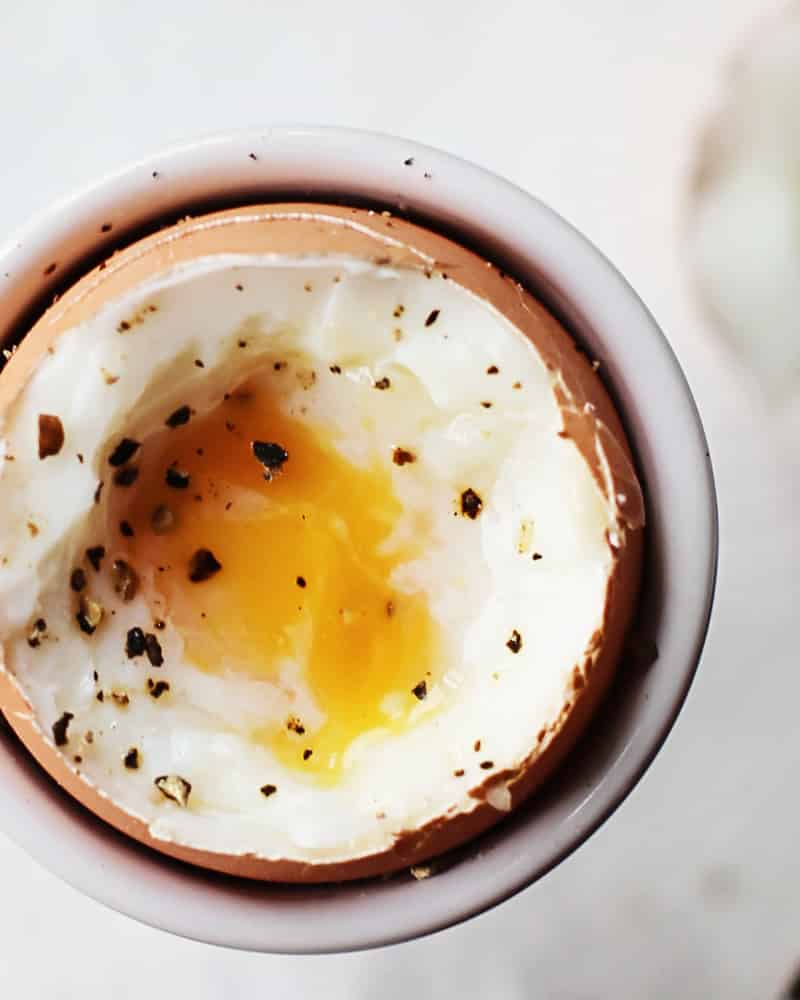
- Soft boiled eggs: Boil for around 4-6 minutes. For a very runny yolk, aim for 4 minutes. For a slightly firmer yolk but still soft, aim for 5-6 minutes.
- Medium boiled eggs: Follow the same steps as for soft boiled eggs. Boil for around 7-9 minutes. This timing results in a yolk that is partially set but still slightly creamy.
- Hard boiled eggs: Boil for around 10-12 minutes. This timing ensures a fully cooked yolk without any runniness.
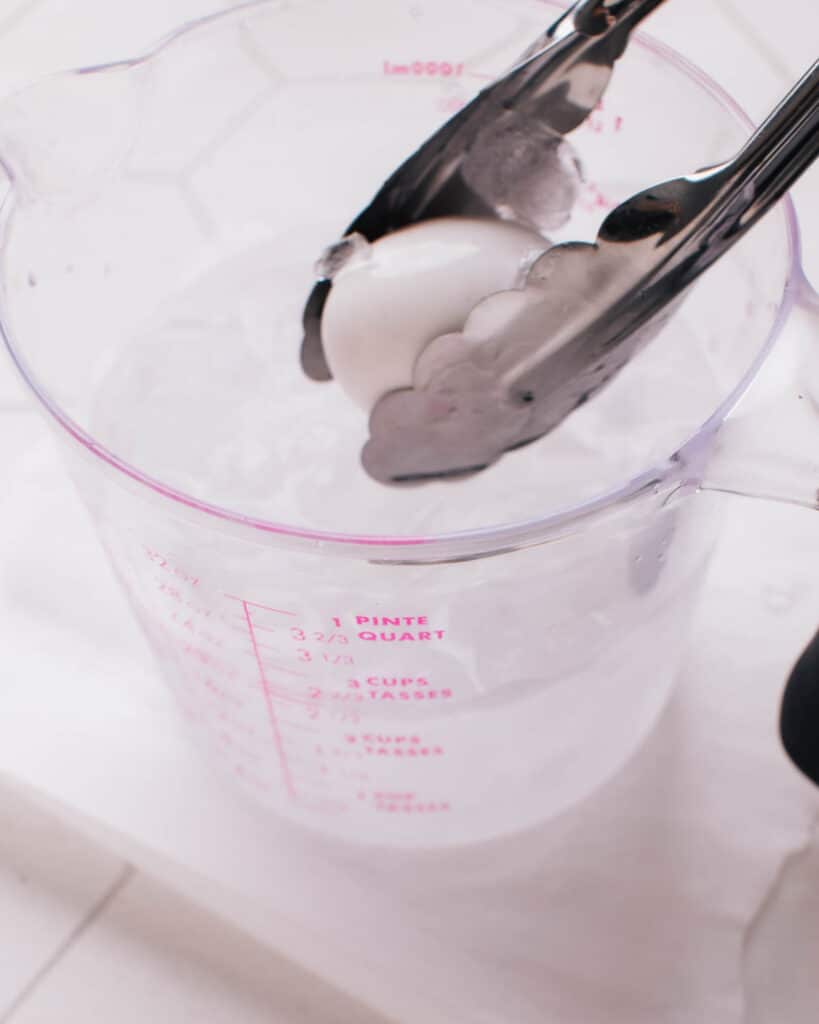
Finally, remove the eggs from the pot and transfer them to a bowl of ice water to cool down before peeling.
Guys, if you want to make quick, 8-minute boiled eggs and save yourself the rigmarole of classically cooked, boiled eggs, here is my how-to guide on boiling eggs in the microwave. You’ll save on time and cleaning up!
Scrambled Eggs: How Is It Cooked?
To make scrambled eggs, simply beat your eggs in a bowl and add them to a pan with some melted butter or oil. Cook the eggs on a medium-high heat, stirring continuously until you have fluffy eggs.
Season your eggs with salt, pepper or any other seasonings. Customize your scramble with herbs, veggies and spices (optional) – here is my swiss chard scramble recipe for inspiration!
Take a look at my method for basic article on cooking eggs here to learn how I scramble mine.
How To Make Scrambled Eggs Like They Do In Restaurants
Add one or two tablespoons of fresh milk or cream to the egg mixture to get those light and whippy restaurant-quality eggs. Restaurants often opt for medium-low heat, avoiding high temperatures altogether.
This technique yields the sought-after fluffy texture characteristic of restaurant eggs.
Professional chefs often use non-stick pans and gently fold the eggs during the cooking process to achieve a light and airy consistency.
Variations of Scrambled Eggs
Want to elevate your scrambled eggs? Here’s how to tweak your basic recipe:
- Extra creamy: Whisked eggs combined with milk or cream for a lusciously rich texture.
- Cheesy: Add a little shredded cheese as the eggs cook, allowing it to melt and blend in.
- Herbed: Infuse classic scrambled eggs with the aromatic essence of herbs like chives, parsley, or fresh thyme.
- Spicy: Add in some chopped chili peppers, green chili, or a drop of hot sauce.
- Vegetable scrambled eggs: Mix in cooked bell peppers, onions, spinach, or tomatoes.
- Smoked Salmon: Enhance the flavor profile by folding in slices or chunks of smoked salmon.
- Truffles: Elevate your scrambled eggs by drizzling them with truffle oil for next-level eggs.










Thanks for lesson on Boiling Eggs. Unfortunately developed diabetes and have to watch Carbs and loose few pounds. Any tips welcome.
Cathy