
This Mashed Potatoes recipe is a total game changer! Learn the secrets to fluffy, creamy (never gluey!) results, the secrets known by the pros, and the common mistakes that ruin them.
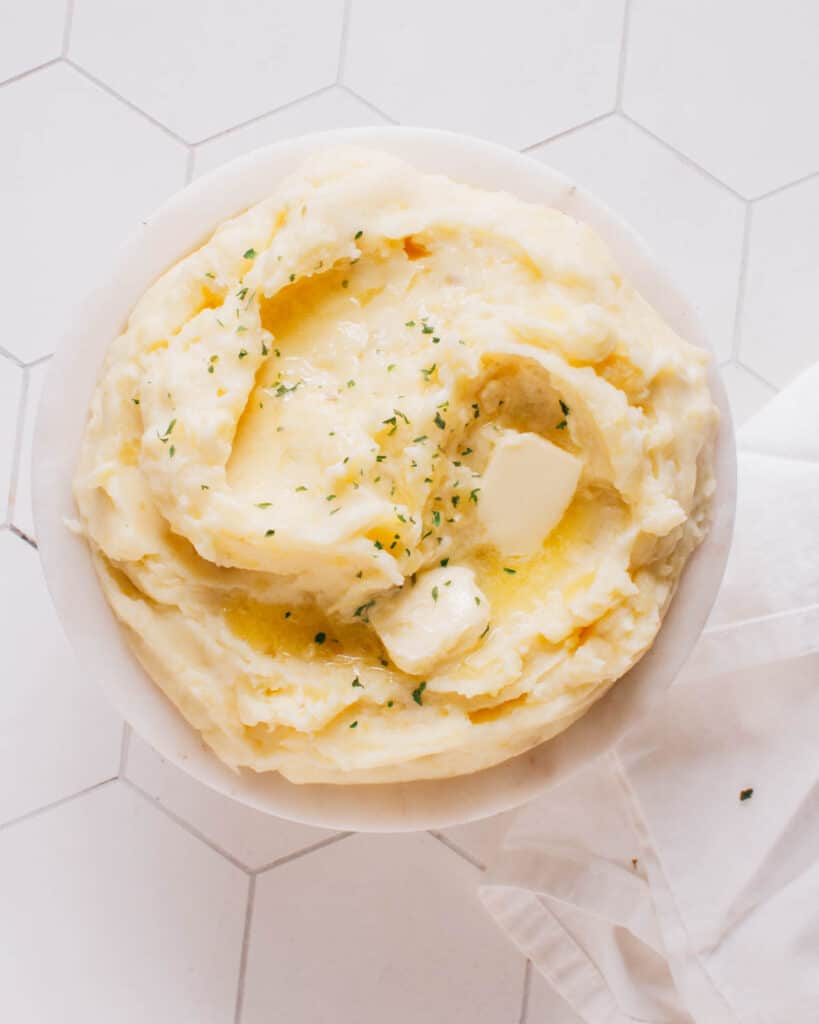
Why This Mashed Potato Recipe Is So Good
Move over, Gordon Ramsay, here’s what makes these mashed potatoes the BEST:
- Russets (high starch) and proper technique make them fluffy, never gluey.
- Butter and warmed cream add richness and perfect velvety smoothness.
- Proper salting makes every bite pop.
Potato lovers, try my Instant Pot Potato Soup, Fried Potatoes (SUPER crispy and fluffy), Au Gratin Potatoes and Easy Potato Soup recipe, too!
Ingredients for the Best Mashed Potatoes
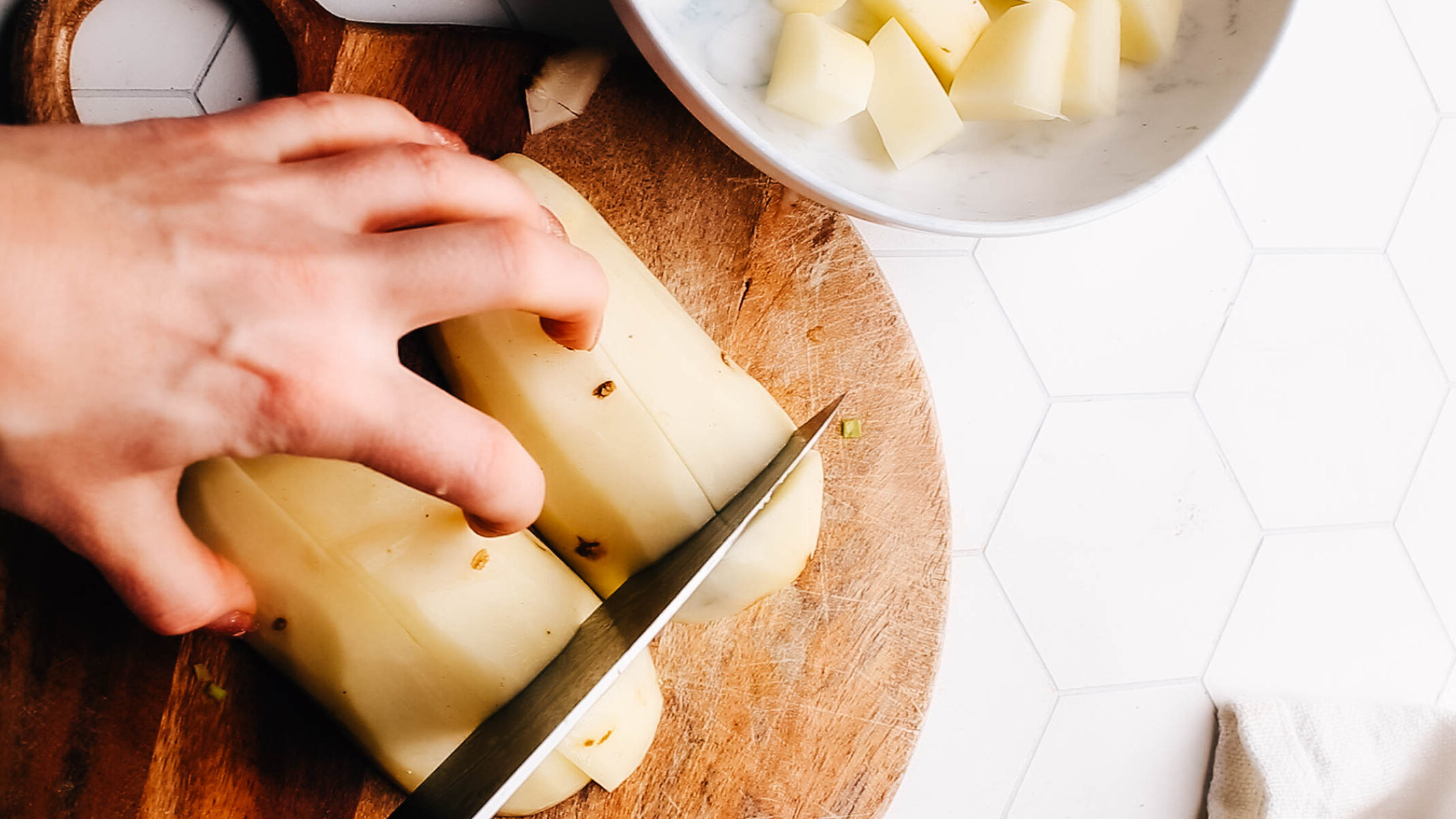
- Russet Potatoes: The starchy backbone of the dish, offering a fluffy and smooth texture when mashed.
- Salt: Super important to treat the salt in the cooking water as an actual ingredient (more on that in the Science tips section below).
- Butter
- Heavy Cream or a heavy cream substitute
Variations and Substitutions
- Yukon Gold Potatoes: If you prefer a thicker texture instead of fluffy, substitute Russet with Yukon Gold.
- Vegan Butter: For a dairy-free version, replace butter with a plant-based substitute.
- Cheese: Mix in a handful of finely grated Parmesan for an extra layer of savory flavor and richness.
Grab These Tools
- Two Pots: A large pot is necessary for boiling the potatoes and you’ll need a small saucepan for heating up the dairy.
- Colander: To drain the boiled potatoes before mashing.
- Potato Masher: A potato ricer is even better, but not necessary. I like to stick to basic equipment. Do NOT use an electric mixer (more on that below)
How to Make The Best Mashed Potatoes:
- Peel and cut potatoes, then start them in cold, salted water so they cook evenly and season through.
- Boil until fork-tender while gently warming butter and cream. Drain and mash (masher for rustic, ricer for smooth), then mix in the warm dairy until creamy.
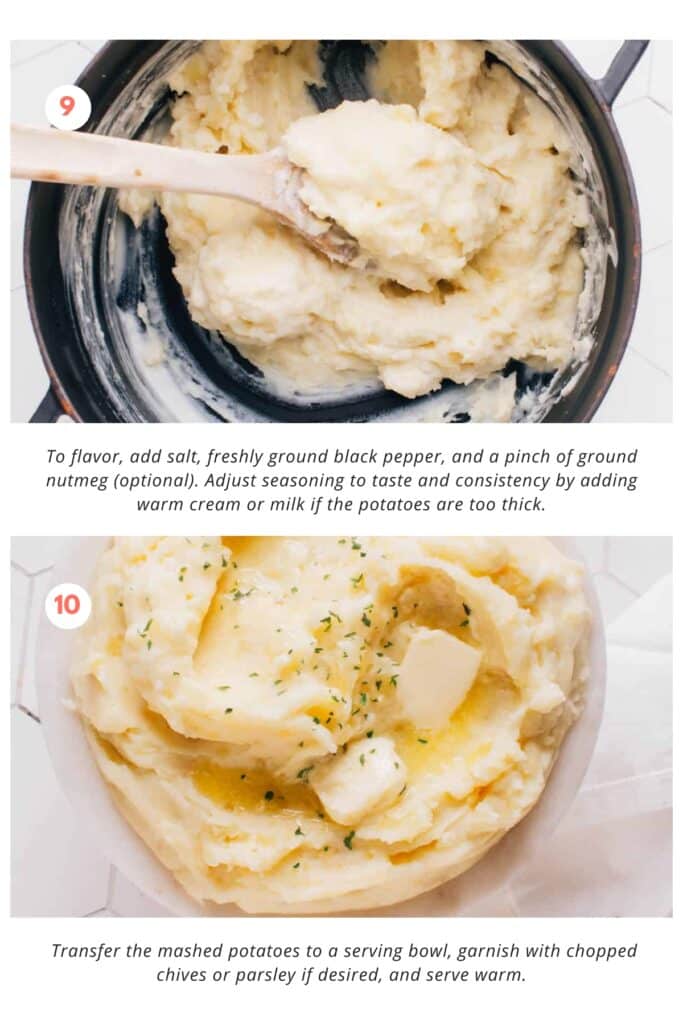
- Season with salt, pepper, and a pinch of nutmeg. Taste, adjust thickness with more warm cream, garnish, and serve.
Here’s the step-by-step in photos:
What Are the Best Potatoes for Mashed Potatoes?
Russet potatoes are often considered the best choice for mashed potatoes and other recipes for several reasons:
- They make the fluffiest, smoothest, most flavorful mash thanks to their high starch, which soaks up butter and cream like a sponge.
- Their light, nutty flavor plays well with everything, and their uniform, elongated shape is easy to peel and cut evenly for consistent cooking.
While other varieties like Yukon Gold can also make delicious mashed potatoes and may be preferred for certain recipes, russet potatoes often come out on top for their airy texture and ability to absorb flavors.
Why Bother Measuring the Water and Salt?
In this recipe, the salt in the cooking water is both an actual ingredient as well as part of the chemistry of great mashed potatoes.
Salting the water properly seasons the potato all the way through in the first step, so you don’t have to aggressively stir in salt later.
But it’s also about the science of osmosis that controls how water moves.
Having a higher concentration of dissolved salt in the cooking water prevents soggy potatoes. That’s because water likes to move to where there’s more “stuff” dissolved to even things out.
Properly salty cooking water means water doesn’t rush into the potato, which would make it waterlogged.
Watery, bland potatoes? No thanks.
Why Bother Heating the Cream and Butter Separately?
Warm cream and butter blend smoothly into hot potatoes, creating a consistent, creamy texture. They keep the mash hot, prevent fat from re-solidifying, and help carry flavors like garlic or herbs.
Warm dairy also mixes faster with less mashing (reducing risk of gluey texture!) and lets you fine-tune the texture for a perfectly velvety finish.
4 Common Mistakes People Make with Mashed Potatoes
- Adding liquid too early
Pouring in milk or cream before mashing releases starch into the liquid, making potatoes sticky or gluey. Mash first, then add warm dairy. - Not using enough salt
Potatoes need salt from the start. Season the cooking water so it tastes like the sea, then adjust again after mashing. - Adding cold butter or cream
Cold dairy cools the mash and causes uneven texture. Warm your butter and cream first for smooth, rich results. - Over-mixing or using a mixer
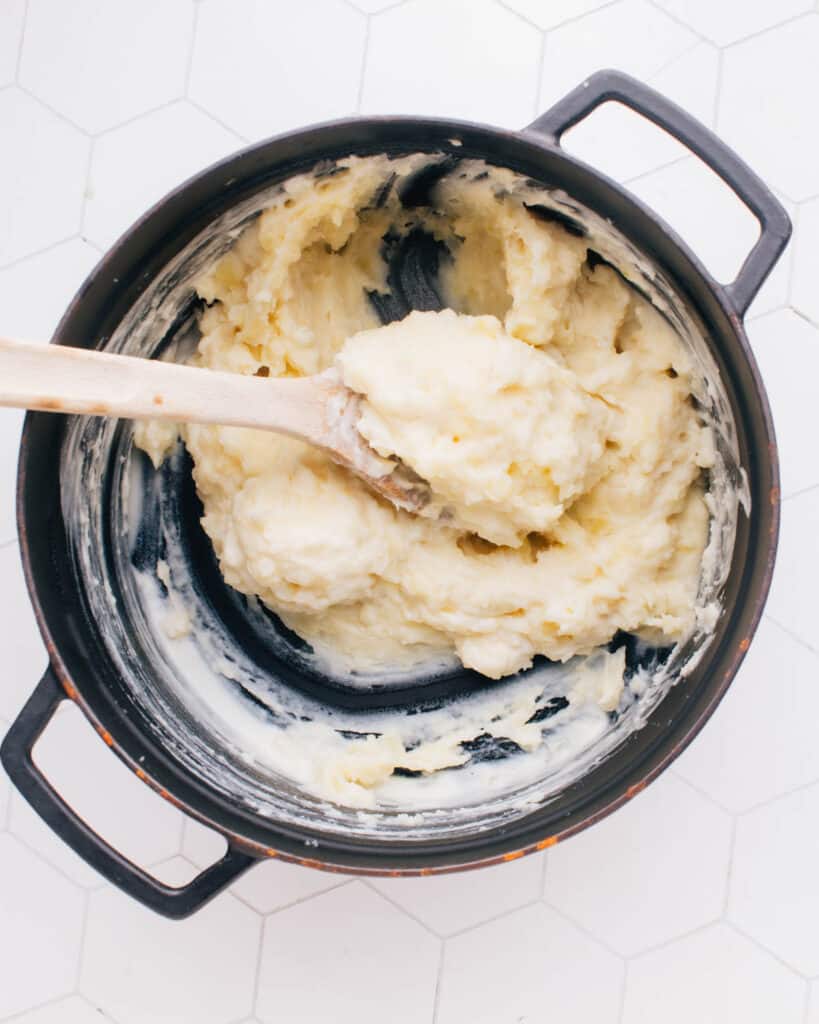
Too much mashing breaks down the starch and turns potatoes gummy. Use a masher or ricer and stop as soon as they’re fluffy.
4 Pro Tips for the Best Mashed Potatoes
- Pre-Cut for Uniform Cooking: Cutting your potatoes into even-sized pieces ensures they cook uniformly. This will help you avoid a mixture of mushy and undercooked pieces.
- Rinse or Soak the Potatoes: Rinsing or soaking the cut potatoes in cold water for a few minutes can remove some surface starch, which helps in achieving a fluffier texture.
- Double Strain: After boiling, consider straining the potatoes and then putting them back into the empty, hot pot for a few minutes. This allows the residual steam to evaporate any remaining water, making your mash less soggy.
- Use a Potato Ricer: For an even fluffier texture, pass the cooked potatoes through a potato ricer rather than mashing them. This helps to create tiny, uniform pieces that absorb the butter and cream much more evenly.
Make Ahead and Storage
Mashed potatoes reheat beautifully, so you can prep them ahead and enjoy creamy, fluffy potatoes anytime.
To Freeze Mashed Potatoes
- Cool completely before storing to prevent freezer burn.
- Use airtight, freezer-safe containers and press plastic wrap directly on the surface.
- Label and freeze for up to 10–12 months.
- For single servings, freeze ½-cup scoops on a tray, then transfer to bags or containers.
To Reheat Mashed Potatoes
- Stovetop: Warm thawed potatoes over low heat, stirring often.
- Add moisture: Mix in butter, cream, or broth to restore creaminess.
- Taste and adjust: Add salt or a spoonful of sour cream if needed.
- Microwave: Heat at 50% power in 5-minute bursts, stirring between intervals.
Tip: A little extra butter at the end makes them taste freshly made.
How to Serve This Mashed Potatoes Recipe
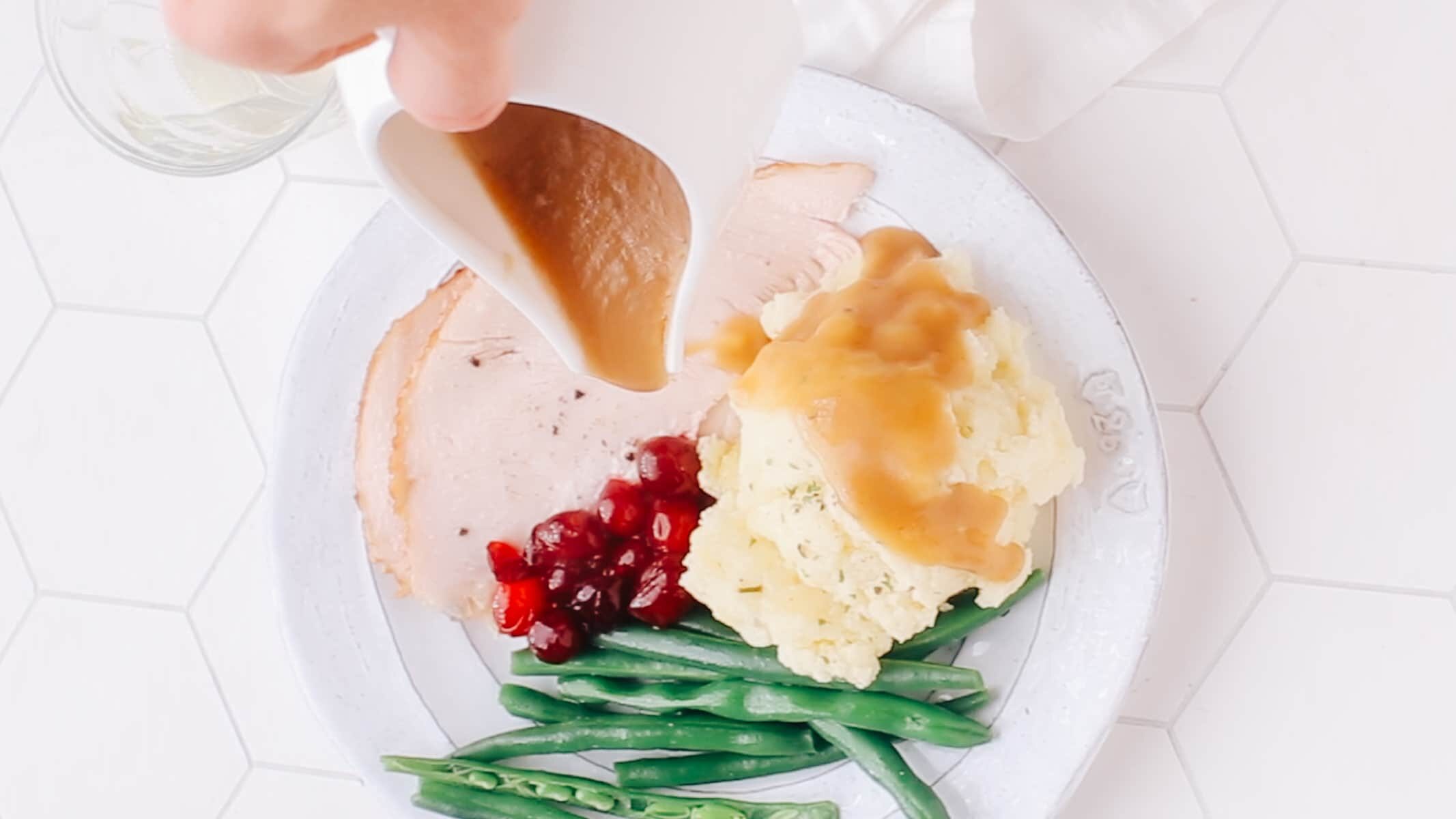
Not just for Roast Turkey at Thanksgiving dinner, this cozy side dish has a place on my table any day of the year.
- Serve alongside or succulent Roast Pork Loin, Beef Chuck Roast (with gravy), Dutch Oven Pot Roast or Eye of Round Roast (super juicy and tender)
- A perfect side for the best-ever meatloaf, Oven Baked Pork Chops, Honey Mustard Chicken, Salisbury Steak, or my Crispy Fried Chicken.
I love mashed potatoes so much that I devoted an entire article to What to Eat With Mashed Potatoes (with 35+ cozy recipe ideas).
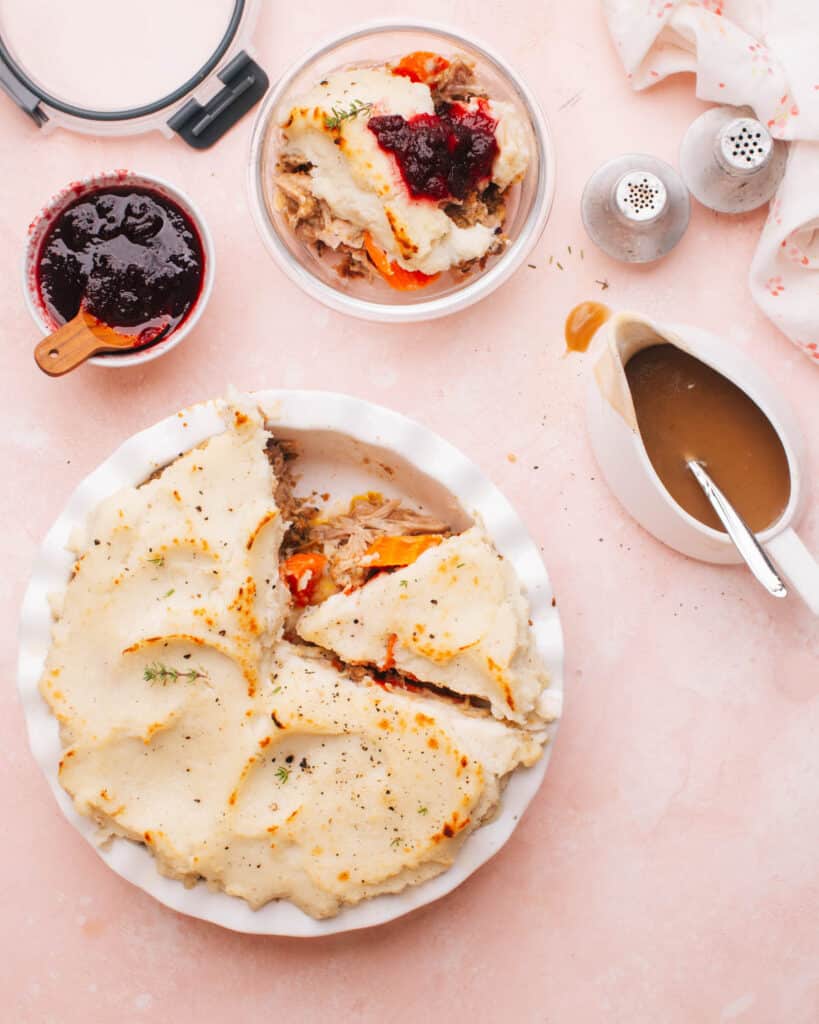
How to Use Up Leftover Mashed Potatoes
Don’t let those extra mashed potatoes go to waste! There are plenty of creative and delicious ways to give them a second life:
FAQs
Consider this the “too-long-didn’t-read” section in case you just skimmed the article.
The key to good mashed potatoes lies in the quality of the potatoes, proper seasoning, and the right balance of butter and cream. Starting with cold water for even cooking and using a potato ricer can also make a world of difference.
Russet potatoes are generally considered the best for mashing due to their high starch content.
While russet potatoes are recommended for their fluffy texture, you can also use Yukon Gold potatoes for a creamier, buttery texture.
Peeling is optional and depends on your preference for texture. Some people like the rustic feel of skin-on mashed potatoes.
Starting with cold water ensures even cooking. Hot water can cook the outer layers of the potato too quickly.
Yes, you can use milk, but the mashed potatoes will be less rich. For a lighter version, you can even use chicken or vegetable broth.
While sour cream and cream cheese add richness and tang, you can omit them or substitute with Greek yogurt.
The easiest way to mash potatoes is by using a potato masher or a fork. Simply press down and crush the boiled potatoes until you reach your desired consistency.
Professional chefs often use a potato ricer for the smoothest, lump-free mashed potatoes.
Overmixing or using an electric mixer or food processor can break down the starches too much, leading to a gluey texture. Stick to a hand masher or ricer.
Apart from the basics like butter, cream, and salt, you can add sour cream, cream cheese, a couple of cloves garlic, a tablespoon or two of minced chives, or even a pinch of nutmeg for extra flavor.
Yes, you can make them a day in advance. Reheat them gently on the stovetop or in the microwave, adding a bit more cream or milk to restore the creamy texture.
Leftovers can be stored in an airtight container in the fridge for up to 3 days. You can also freeze them for up to 2 months.
Yes, but the texture may change slightly when thawed. It’s best to reheat them with a bit of extra cream or butter to revive the texture. Full details and instructions are outlined in the article above.
Restaurant mashed potatoes often taste better due to high-fat content, like butter and heavy cream. Chefs also season them well, with lots of salt.
Gordon Ramsay’s mashed potatoes are known for their richness and flavor. He typically adds butter, heavy cream, and sometimes crème fraîche to his mashed potatoes for a creamy and indulgent texture. Additionally, he often incorporates roasted garlic or chives for extra flavor.
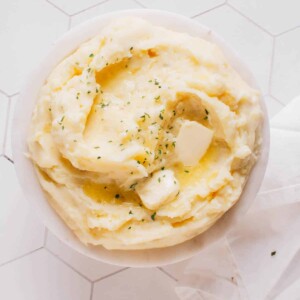
The Best Mashed Potatoes Recipe You’ll Ever Try
Video
Ingredients
- 4 lbs russet potatoes peeled and cut into 1-inch chunks
- 6 cups cold water
- 1 tbsp kosher salt plus more to taste
- 8 tbsp unsalted butter
- 1 cup heavy cream
- ¼ cup sour cream or cream cheese
- Freshly ground black pepper to taste
- Chopped fresh chives or parsley for garnish optional
Instructions
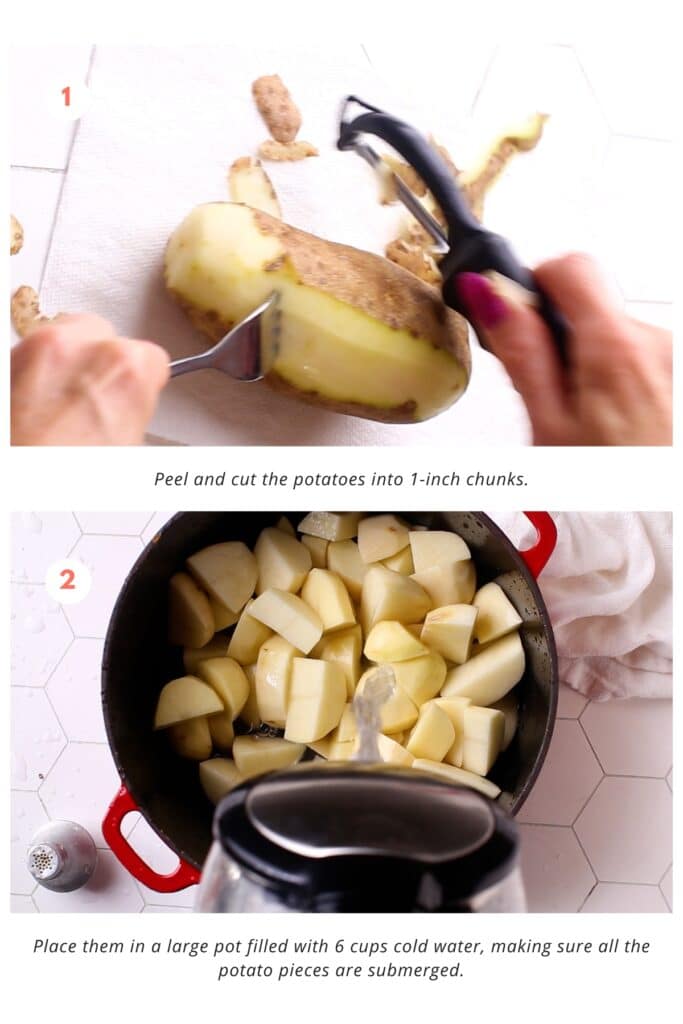
- Prep the Potatoes: Peel and cut the potatoes into 1-inch chunks. Place them in a large pot filled with 6 cups cold water, making sure all the potato pieces are submerged.
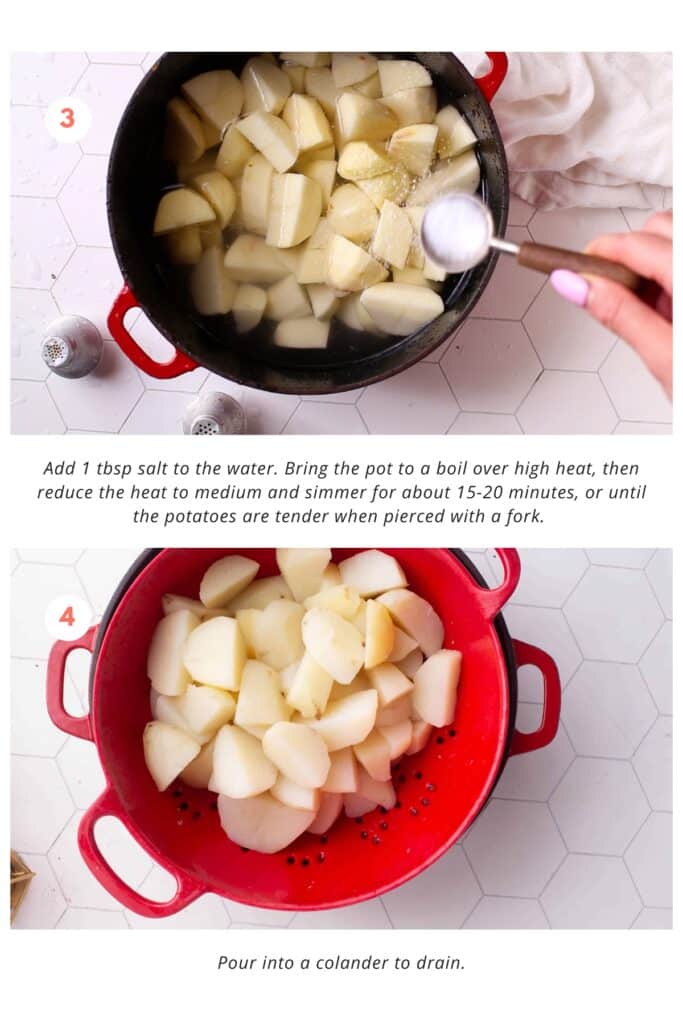
- Boil the Potatoes: Add 1 tbsp salt to the water. Bring the pot to a boil over high heat, then reduce the heat to medium and simmer for about 15-20 minutes, or until the potatoes are tender when pierced with a fork. Pour into a colander to drain.
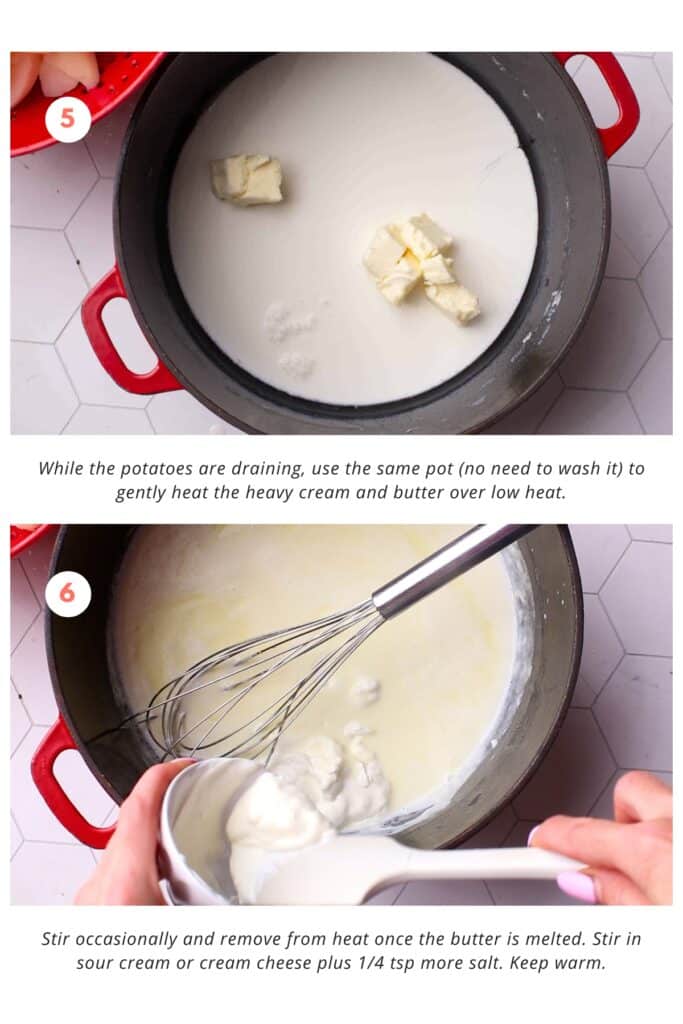
- Heat the Dairy: While the potatoes are draining, use a medium saucepan to gently heat the heavy cream and butter over low heat. Stir occasionally and remove from heat once the butter is melted. Stir in sour cream or cream cheese plus 1/4 tsp more salt. Keep warm.
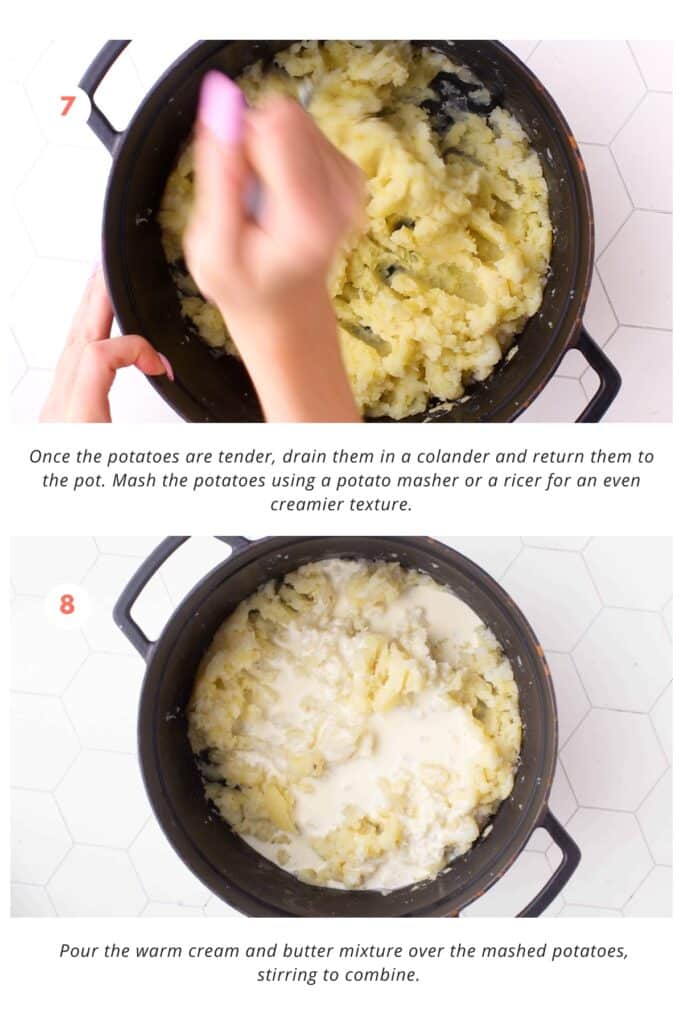
- Drain and Mash: Once the potatoes are tender, drain them in a colander and return them to the pot. Mash the potatoes using a potato masher or a ricer for an even creamier texture.
- Combine: Pour the warm cream and butter mixture over the mashed potatoes, stirring to combine. Season with salt and pepper to taste.
Notes
Nutrition
Nutrition information is automatically calculated, so should only be used as an approximation.










I haven’t tried it yet, but I love your idea of keeping them warm. Which in your personal opinion taste better, the sour cream(I have done) or the cream cheese? That sounds awesome. I love your recipes by the way and looking forward to trying many of them.
I love both cream cheese and/or sour cream in my mashed potatoes, but using sour cream makes them a bit tangier. Up to your personal preferences!
You know what makes them even better? Saute diced onions and stir into the potatoes. MMMMMmmmmmmmm
My sister made these for our family for Thanksgiving this weekend and they were absolute heaven. She didn’t change a thing and they were the most perfect mashed potatoes. THANK YOU!