
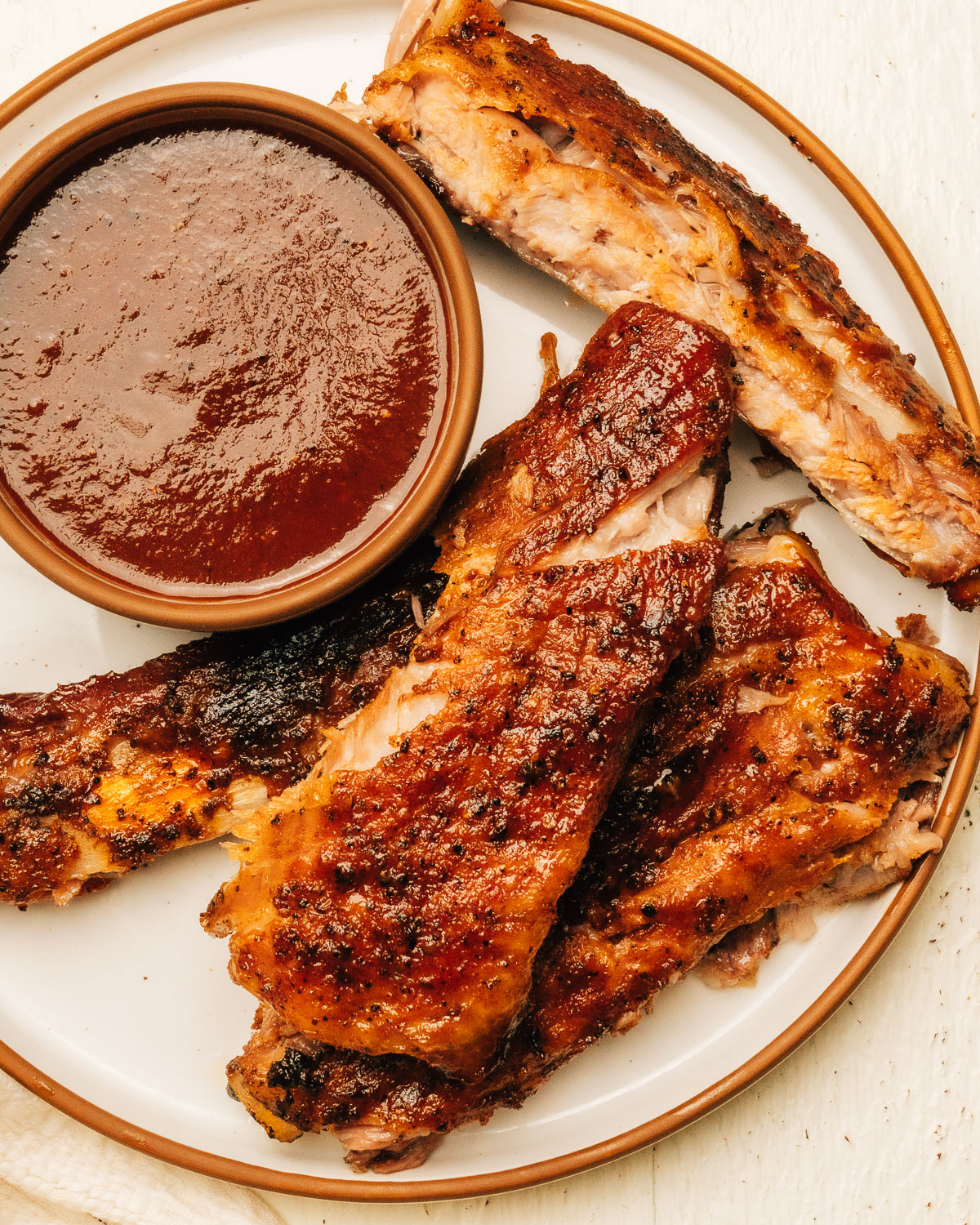
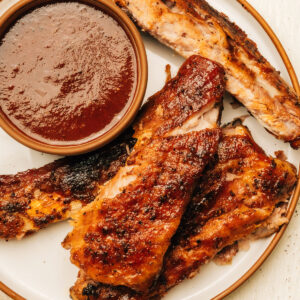
These pork spare ribs are tender enough to slide right off the bone, coated in a smoky dry rub, and finished with a sticky homemade BBQ glaze under the broiler. It’s an easy, oven-baked recipe with secrets from a food scientist to getting them just right.
Spare Ribs Ingredients
When these finger-licking barbecue spare ribs come out of the oven, a knife slides between the bones with almost no resistance. Bring lots of napkins!
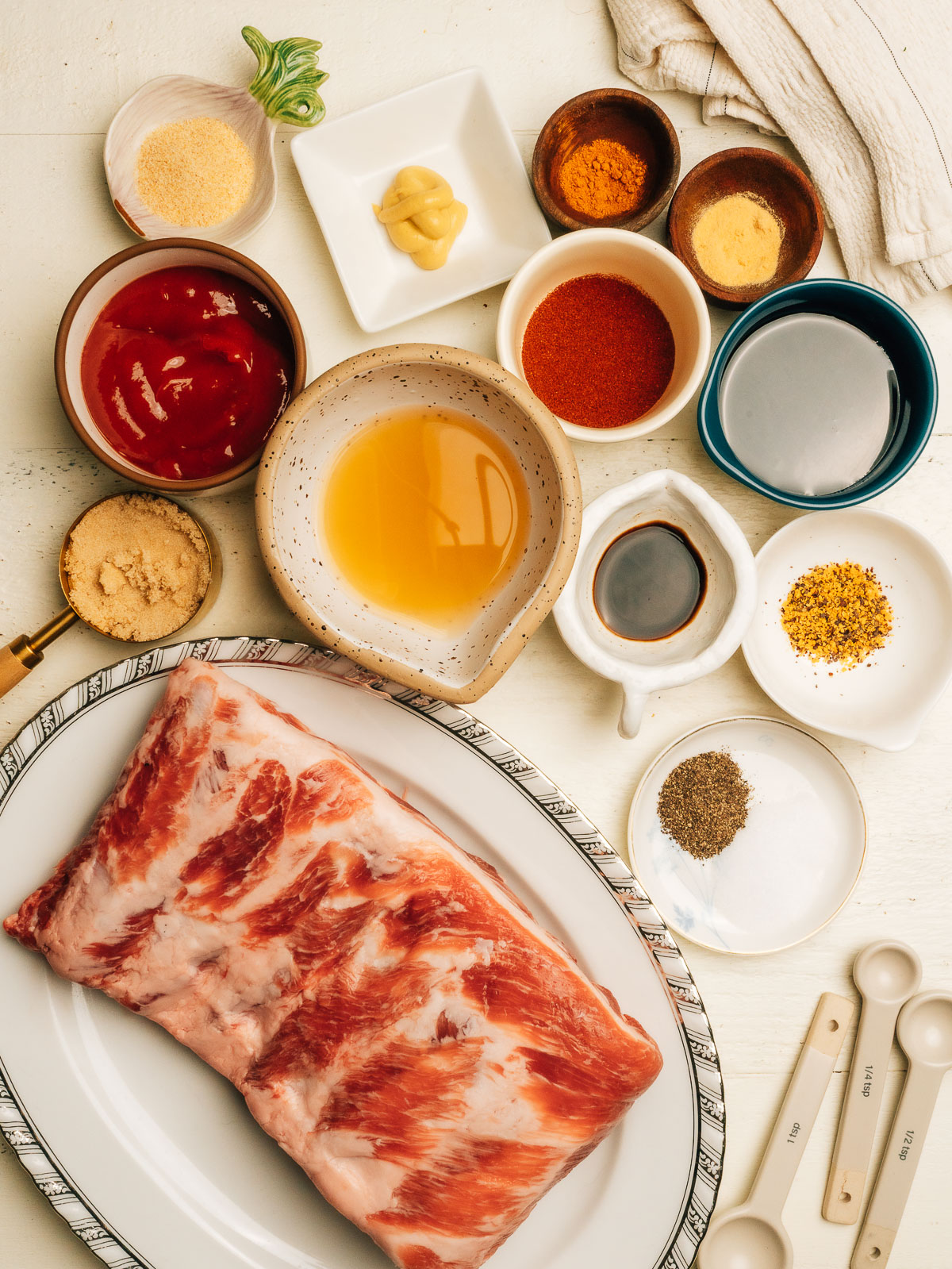
Rib Ingredients
- Pork spare ribs: Two full racks, about 6 to 7 lbs total. Spare ribs come from the belly side of the pig. They have more fat and connective tissue than baby back ribs, which is exactly why they get so tender and rich at low heat. Look for racks that are roughly even in thickness so they cook at the same rate.
Dry Rub Ingredients
- Brown sugar: Creates a caramelized, sticky crust that all the best ribs have, and helps the barbecue sauce cling during the broil. Don’t skip it.
- Smoked paprika: Brings the smoky depth you’d normally get from a grill or smoker. Use smoked, not sweet or hot paprika. It’s doing a lot of work here.
- Garlic powder: Earthy and savory. It blends into the rub better than fresh garlic, which can burn during a long bake.
- Onion powder: Rounds out the savory depth alongside the garlic powder.
- Dry mustard: Adds a subtle tang and sharpness. You won’t taste it outright but you’ll notice if it’s missing.
- Cayenne: Just 1/2 tsp gives a background warmth. Adjust up or down based on your heat preference.
Quick BBQ Sauce Ingredients
A quick broil with BBQ glaze gives you that caramelized, slightly charred finish. Use my easy recipe or your fav bottled stuff.
- Ketchup: The tomato base of the barbecue sauce. It gives body, sweetness, and that classic BBQ color.
- Apple cider vinegar: Cuts through the richness and keeps the sauce from tasting flat or one-dimensional.
- Brown sugar: Adds sweetness and helps the sauce thicken and caramelize under the broiler.
- Molasses: Deep, slightly bitter, and smoky. Maple syrup works as a substitute for a milder, sweeter version.
- Worcestershire sauce: Adds umami and a subtle complexity that makes the sauce taste more layered.
- Dijon mustard: Brings tang and a little sharpness that keeps the sauce from being cloying.
- Smoked paprika: Echoes the rub’s smokiness and ties the sauce to the seasoning on the ribs.
- Garlic powder: Quick and easy flavor that distributes evenly through the sauce.
- Kosher salt: Balances the sweetness and brings out all the other flavors in the sauce.
Full recipe quantities are in the recipe card at the bottom of this post.
Variations and Substitutions
This oven-baked spare ribs recipe is flexible. Try my Chinese restaurant style Honey Garlic Spare Ribs recipe, too. Here are the most practical swaps and tweaks.
- Baby back ribs: Work with the same rub and BBQ sauce. Baby back ribs are leaner and thinner than pork spare ribs, so reduce the covered bake time to about 2 to 2.5 hours and start checking early.
- Beef spare ribs: The same low-and-slow method works for a beef ribs recipe. Expect a longer bake since beef ribs are larger and denser. Check with the knife test and go from there.
- Molasses substitute: Maple syrup is the cleanest 1:1 swap. The sauce will be slightly lighter in flavor and color but still great. Honey also works in a pinch.
- Heat level: For spicier ribs, increase the cayenne in the rub to 1 tsp, or add a pinch of chipotle chili powder for smokier heat. To make it mild for kids, skip the cayenne entirely.
- Store-bought BBQ sauce: Your favorite barbecue sauce works fine for the glaze. The dry rub still does most of the flavor work. The sauce is mainly for the sticky, caramelized finish.
- No broiler: If your oven doesn’t have a broil setting, crank it to 450°F and roast the glazed ribs uncovered for 8 to 10 minutes. Watch closely to avoid burning the sugar in the rub and sauce.
Love easy pork dinners? My slow cooker pork shoulder and crockpot pork loin are two more crowd-pleasers worth adding to your rotation.
Grab These Tools
You don’t need any special equipment to bake spare ribs in the oven.
- Large rimmed sheet pan: Big enough to fit both racks flat. Ribs release a lot of liquid during baking, so the sides are essential to keep it contained on the pan.
- Aluminum foil: You’ll need it for two jobs: lining the pan and covering it tightly during the low bake. A tight seal traps the steam that makes the ribs tender. Press the edges down firmly around the pan. Lining the pan is the easiest way to manage cleanup.
- Small bowl: For mixing the dry rub ingredients before coating the ribs.
- Small saucepan: For simmering the BBQ sauce. Use one with a little extra room so the sauce doesn’t bubble over.
- Pastry brush or spoon: For applying the BBQ glaze before and during broiling. A silicone brush gives the most even coat.
- Tongs: For the bend test to check doneness. If the rack flexes easily when lifted from one end, it’s ready. If it’s stiff, it needs more time.
- Sharp knife: For checking doneness between the bones and for slicing the finished ribs. A sharp chef’s knife makes cleaner cuts than a serrated blade here.
- Paper towels: For gripping the membrane when you peel it off the bone side, and for patting the ribs dry before applying the rub.
How to Cook Spare Ribs in the Oven: An Easy Guide
This oven-baked ribs recipe is mostly hands-off. Here’s how to make the best ribs recipe!
Prep the Ribs and Oven
Heat the oven to 275°F. Flip each rack bone-side up and look for the thin membrane stretched across the bones. Slide a butter knife under one end, grip it firmly with a paper towel, and pull it off in one piece. It peels away easily once you get it started. Removing it lets the rub penetrate better and makes the finished ribs much easier to eat.
Apply the Dry Rub
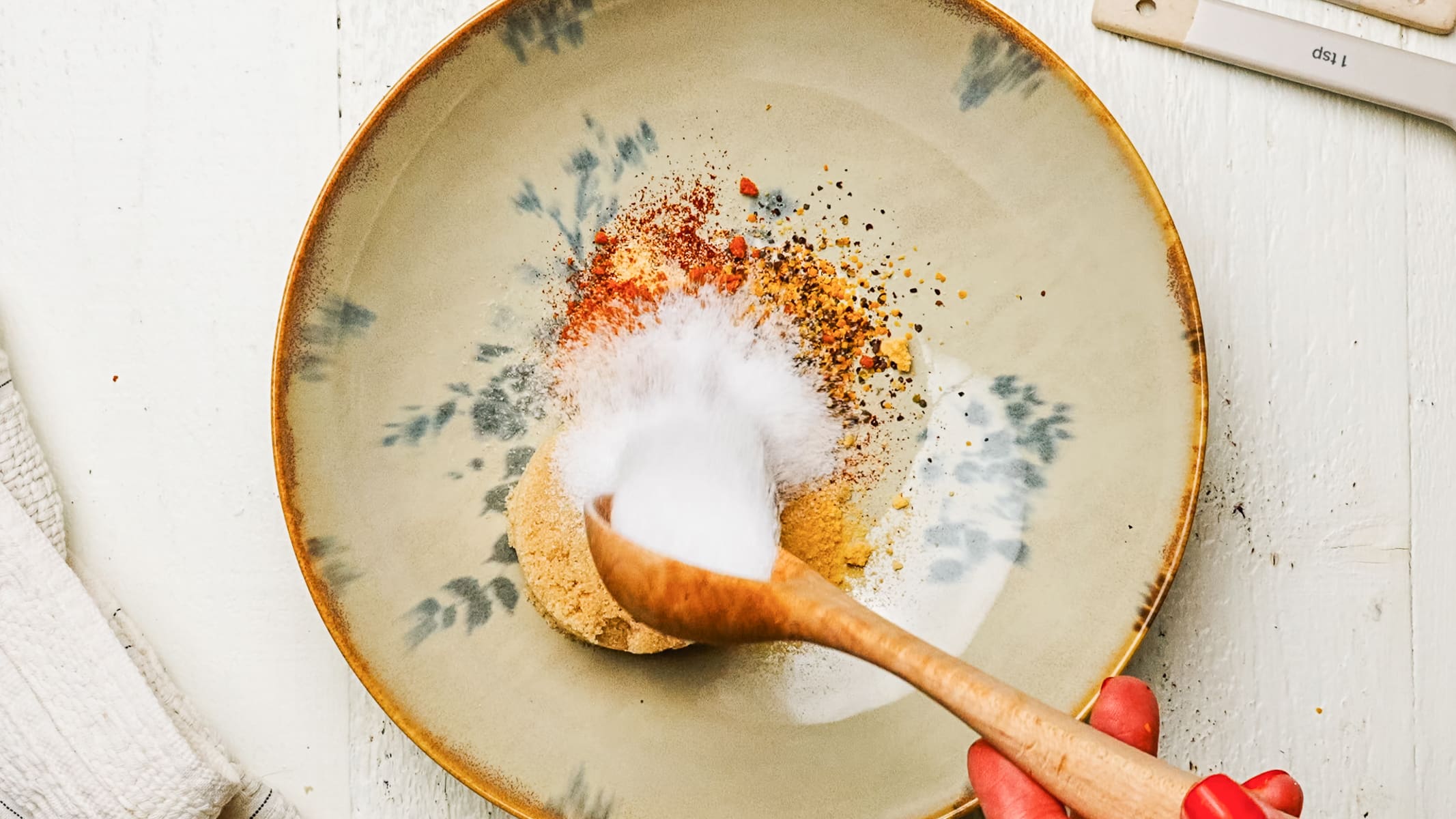
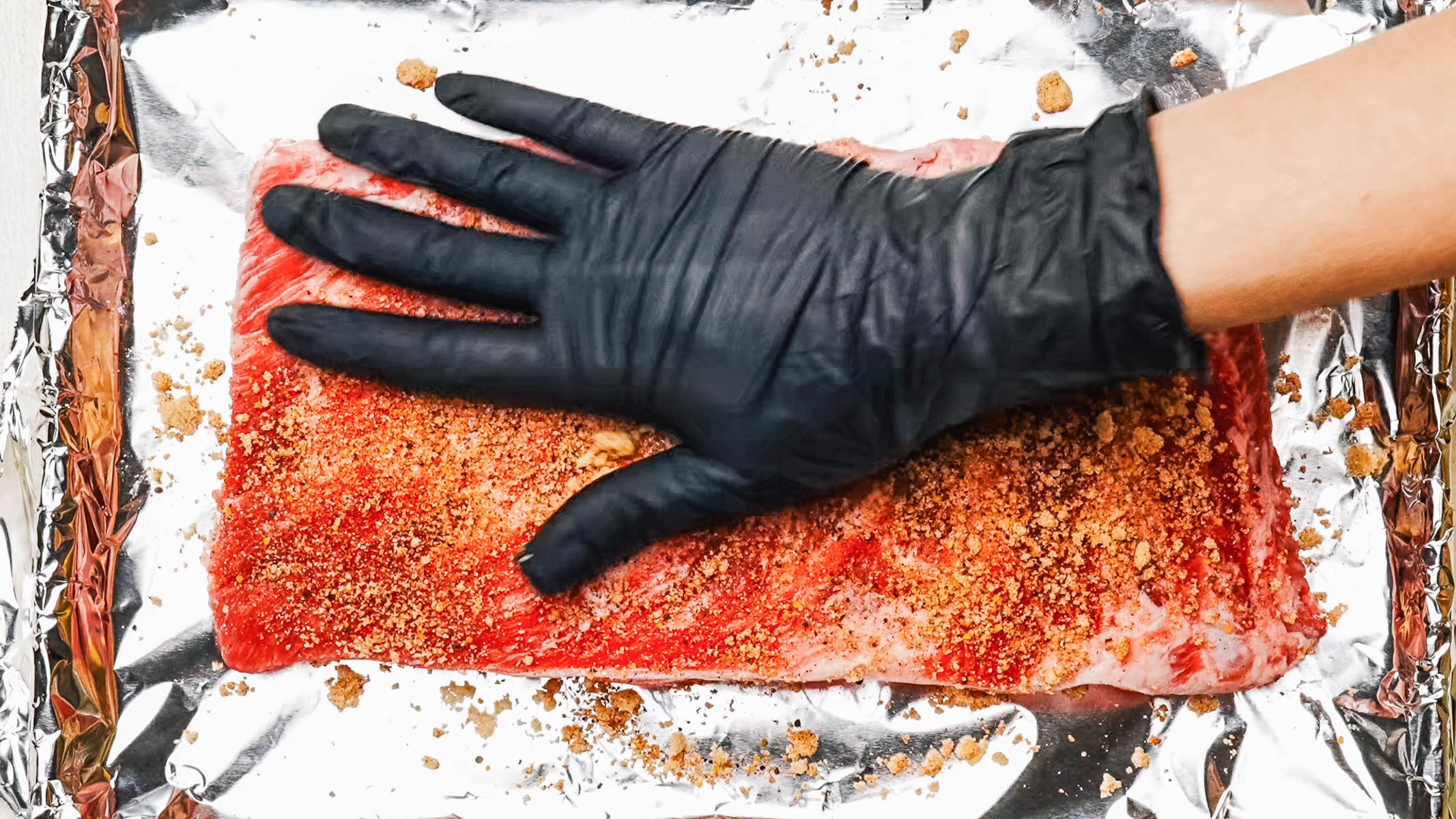
Mix all the dry rub ingredients in a small bowl. Pat the ribs dry with paper towels; this helps the rub stick and form a better crust. Press the rub generously all over both sides of each rack, using your hands to really push it into the meat. Place the racks meaty side up on a foil-lined rimmed sheet pan.
Bake Covered, Low and Slow
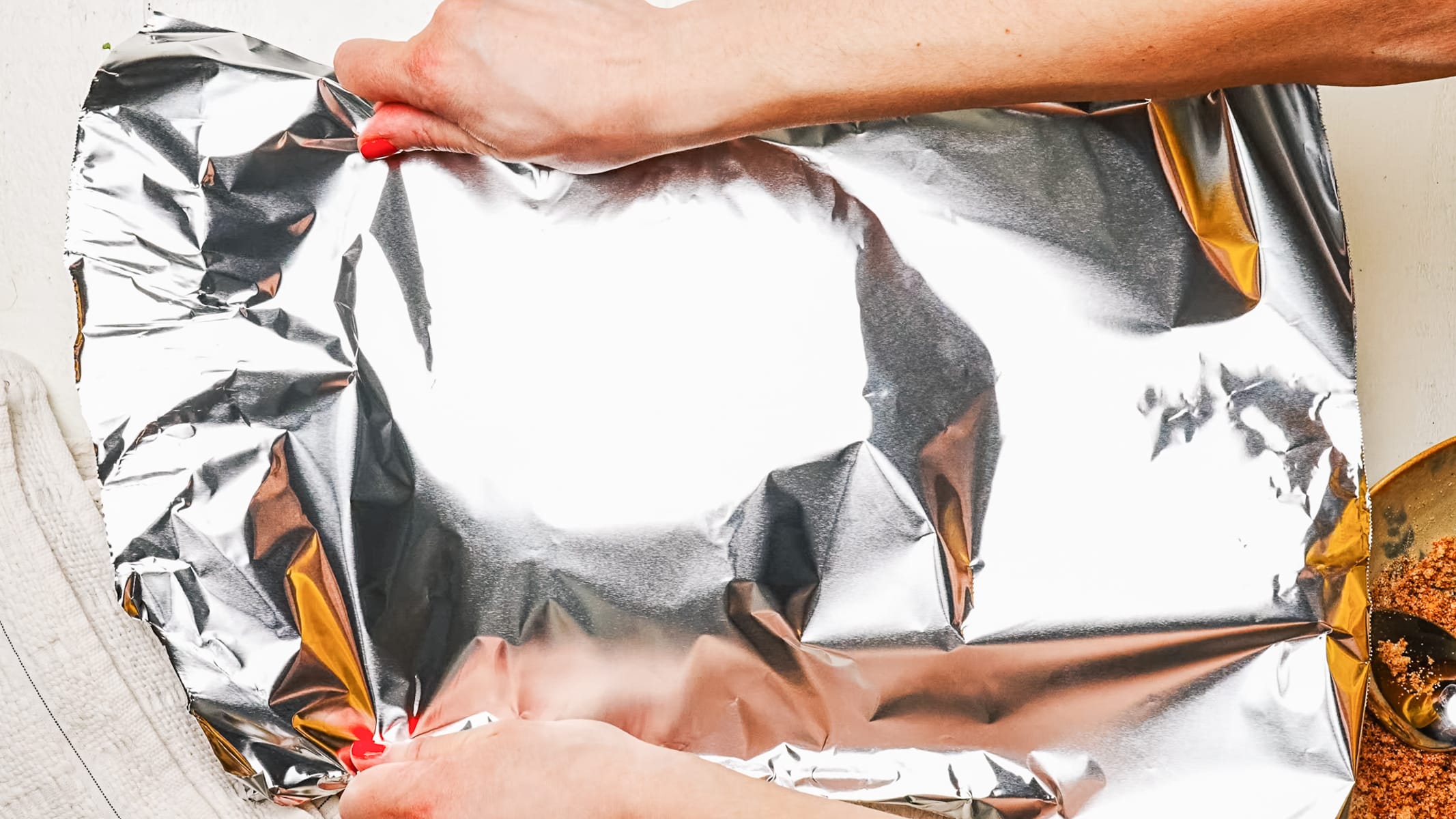
Cover the pan tightly with aluminum foil, pressing the edges of the foil down around the rim to seal it. Bake for 2 hours 45 minutes to 3 hours 15 minutes. The ribs are done when a knife slides in easily between bones with almost no resistance. To double-check, grab the rack with tongs and lift it from one end. A done rack bends and flexes in the middle. A stiff rack needs more time. Cover and bake another 15 minutes, then test again.
Make the Quick BBQ Sauce
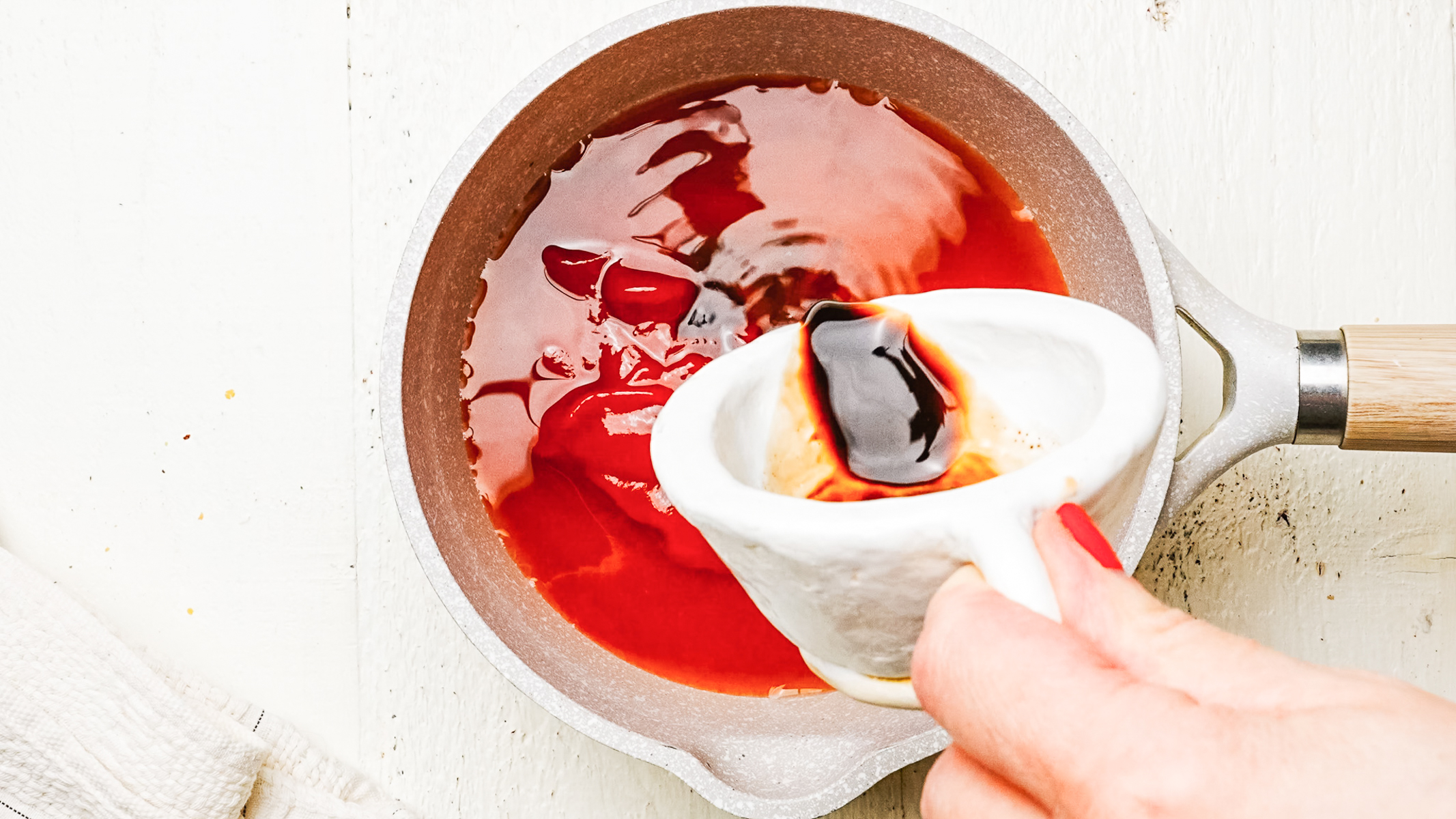
Start the barbecue sauce about 20 minutes before the ribs come out. Combine all sauce ingredients in a small saucepan. Bring to a simmer over medium heat and cook for 8 to 10 minutes, stirring often. The sauce is ready when it looks glossier and slightly thicker. It will thicken more as it cools.
Glaze and Broil
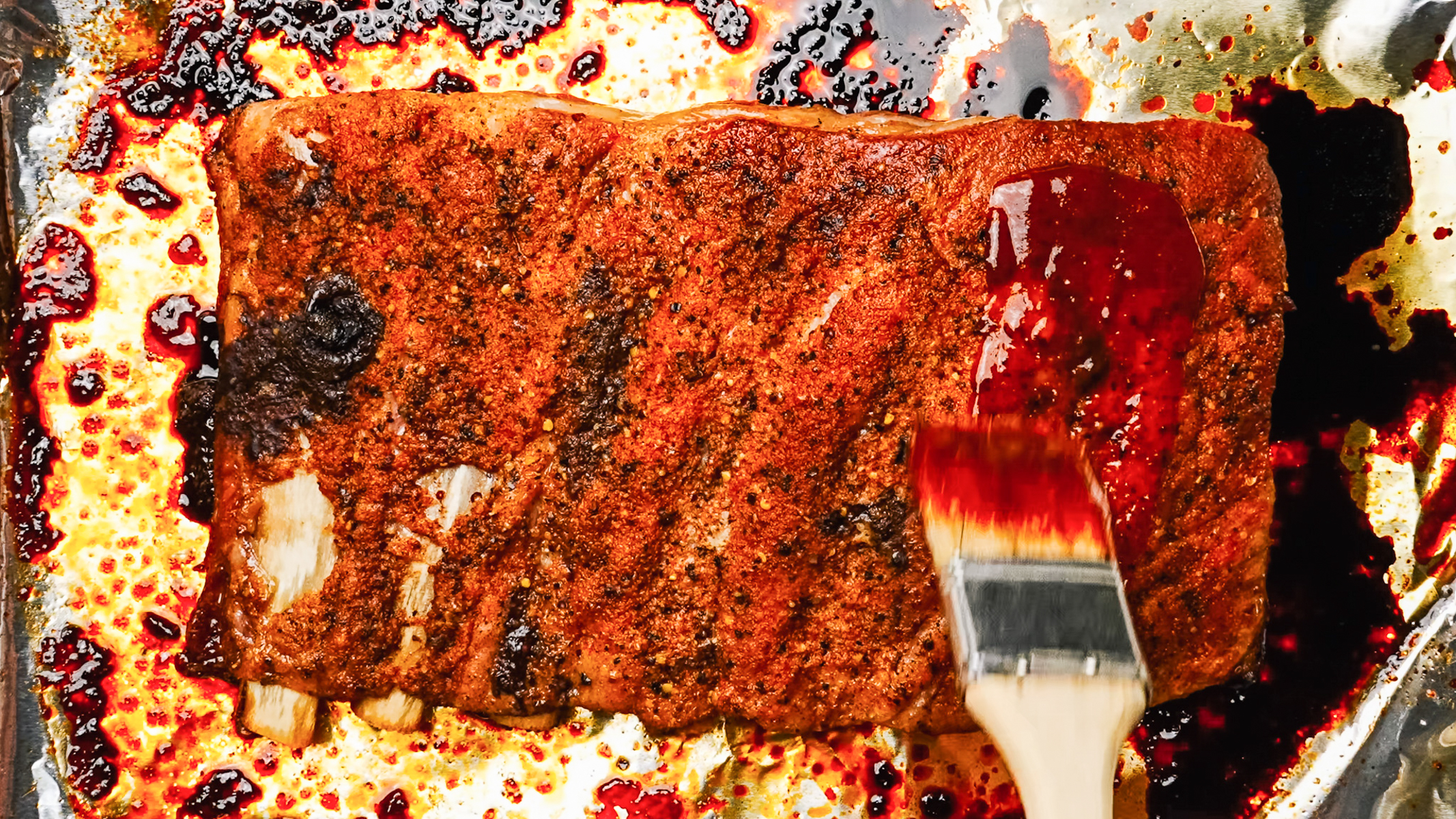
Remove the foil and switch the oven to broil. Brush the ribs generously with BBQ sauce and slide the pan under the broiler. Broil 2 to 4 minutes, watching closely, until the sauce starts to bubble and char at the edges. Brush with another layer of sauce and broil 1 to 2 minutes more. Do not walk away. The brown sugar in both the rub and sauce burns fast under a broiler.
Rest and Slice
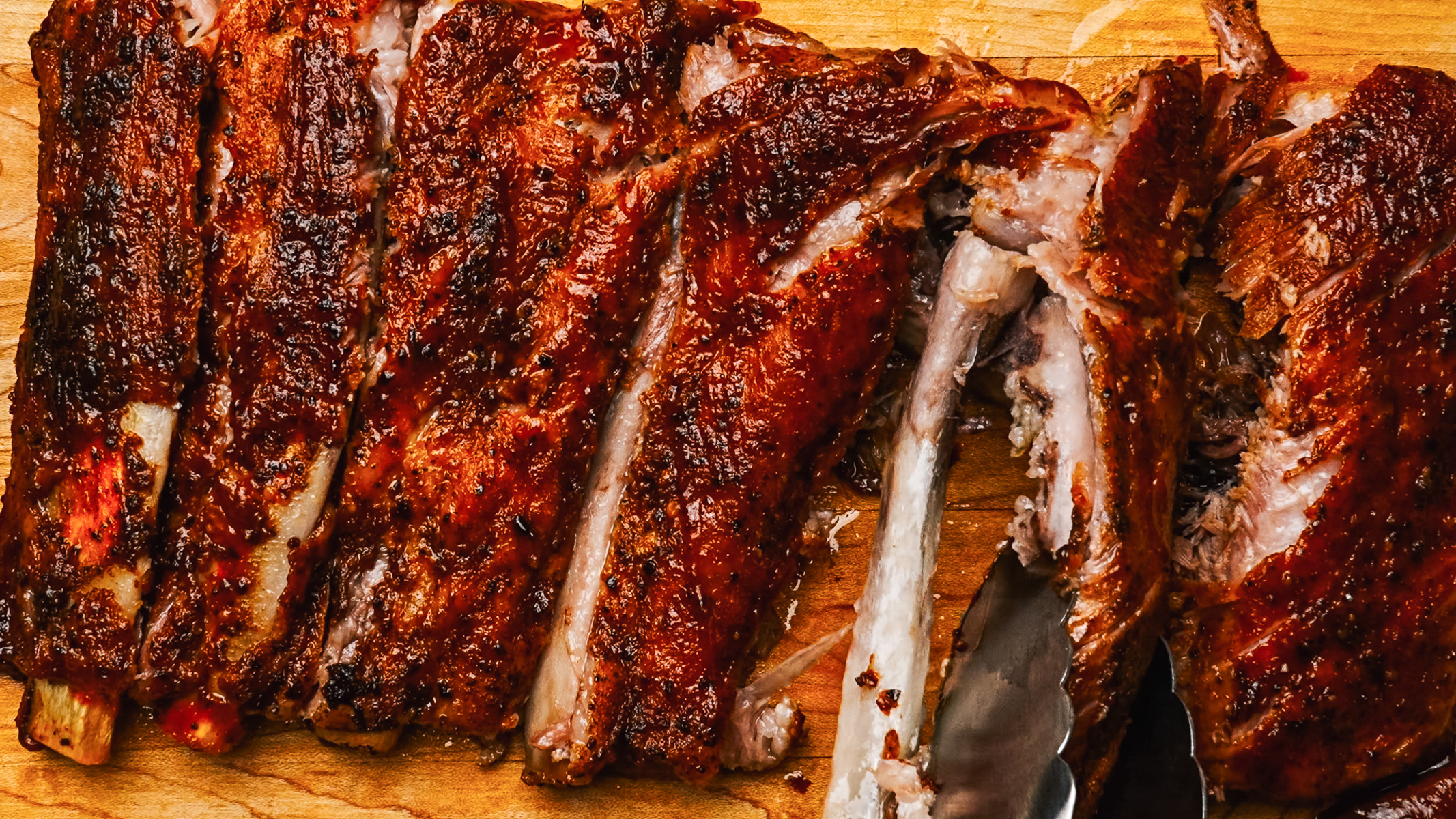
Pull the ribs out of the oven and let them rest on the pan for 10 minutes before slicing. Resting lets the juices redistribute so they don’t all run out when you cut. Slice straight down between the bones with a sharp knife. Serve with extra barbecue sauce on the side.
5 Common Mistakes When Making Spare Ribs
Here are the most frequent mix-ups to avoid when making oven baked spare ribs:
- Skipping the membrane: The thin silvery skin on the bone side turns rubbery during cooking and blocks the dry rub from seasoning the meat underneath. It peels off in under a minute once you slide a knife under one corner. Use a paper towel for grip. It makes a real difference to the finished texture.
- Not sealing the foil tightly: The foil cover traps steam that tenderizes the meat from the inside. Any gap lets that steam escape and the ribs dry out before the collagen has time to break down. Press the aluminum foil firmly around all four edges before the pan goes in. The seal is doing real work here.
- Pulling them before they’re truly done: The cook time in this oven baked ribs recipe is a range, not a fixed number. Every rack and every oven is slightly different. Use the knife test and the bend test, not the clock. Stiff ribs that don’t flex when lifted need more time covered. Give them 15 more minutes and test again.
- Walking away during the broil: The broil step takes 3 to 6 minutes total, but the line between caramelized and charred is narrow. The brown sugar in both the rub and the barbecue sauce burns fast. Stay at the oven and check every 60 to 90 seconds. This is the one step you can’t multitask.
- Slicing immediately: Cutting into hot ribs straight from the oven lets all the juices pour out onto the pan before you even get them to the table. Ten minutes of rest before slicing makes each rib noticeably juicier. It’s the easiest step in the recipe and the one most often skipped.
Make Ahead and Storage
Bake the ribs a day ahead and glaze them just before serving. They reheat beautifully.
Storing Leftovers
- Refrigerator: Store leftover ribs in an airtight container or wrapped tightly in foil for up to 4 days. The meat stays moist as long as it’s sealed well. Air is the enemy here.
- Make ahead: Bake the ribs fully through the covered low-and-slow step, then cool and refrigerate. When ready to serve, brush with sauce and run under the broiler for a fresh glaze. The texture is just as good as making them fresh.
Freezing
- After baking: Cool the ribs completely, then wrap tightly in plastic wrap followed by foil, or use a freezer-safe zip bag. Freeze for up to 3 months. Slicing into individual ribs before freezing makes portioning much easier.
- Thawing: Thaw overnight in the fridge before reheating. Don’t try to reheat from frozen. The outside scorches before the center warms through.
Reheating Spare Ribs
- Oven: Place ribs on a foil-lined pan, cover tightly with foil, and reheat at 300°F for 20 to 25 minutes. Uncover, brush with more sauce, and broil 2 to 3 minutes to re-caramelize the glaze. This is the best method for keeping them juicy.
- Microwave: Works for a quick weeknight leftover. Cover loosely and heat in 60-second bursts until hot. Brush with a little extra sauce before serving to freshen them up.
- Avoid uncovered high heat: Reheating uncovered at a high oven temp dries the meat out fast. Always cover with aluminum foil until warmed through before any glazing or broiling step.
How to Serve This Spare Ribs Recipe
Spare ribs are a meal on their own, but the right sides turn them into a full spread worth gathering around.
Spare Rib Toppings and Extras
- Extra BBQ sauce on the side (always)
- Pickled jalapeños or quick pickled red onions for acid that cuts through the richness
- Fresh cilantro or sliced green onion for color and a little freshness
- Hot sauce for anyone who wants more heat
Side Dishes for Spare Ribs
- Creamy coleslaw: The classic pairing. Cool, crunchy, and tangy against sticky, smoky ribs. I always have this on the table when spare ribs are on the menu.
- Creamy mashed potatoes: Rich, fluffy, and great for soaking up extra barbecue sauce. One of my all-time favorite sides for any saucy pork dish.
- Macaroni salad: Cool, creamy pasta salad is a BBQ table staple for a reason. It balances the heat and richness of oven baked ribs perfectly.
- Corn on the cob: Simple and sweet. Always a hit alongside any BBQ-style recipe.
- Cornbread or soft dinner rolls: For mopping up every last bit of sauce on the plate.
How to Make the Best Spare Ribs: Final Notes + Secrets
Here’s what separates truly great oven baked spare ribs from average ones.
- 275°F is the right temperature: Lower than that and the ribs take too long. Higher and the exterior dries out before the connective tissue has time to break down into gelatin. This slow oven method is what gives you fall-off-the-bone results without a smoker or grill.
- Pat the ribs dry before rubbing: Drying the surface with paper towels before applying the rub helps it stick and form a better crust. Wet meat causes the rub to slide around instead of adhering to the surface properly.
- Brown sugar does double duty: In the rub, it draws moisture and creates a caramelized sticky crust. In the barbecue sauce, it thickens and chars beautifully under the broiler. Don’t be tempted to cut it back in either place.
- The bend test is more reliable than a timer: A done rack of spare ribs bends and flexes easily when you lift it from one end with tongs. A stiff rack needs more time, full stop. Trust the feel over the clock, and never skip the foil seal during baking.
- Two layers of glaze under the broiler: The first layer gets sticky and sets. The second builds on top and chars at the edges. Two thin coats give better results than one heavy one, which can bubble and slide off before it caramelizes.
- Smoked paprika is carrying a lot of the flavor: It goes into both the rub and the sauce and is the main reason these oven spare ribs taste as smoky as they do without a grill. Use a good quality smoked paprika. The difference between a fresh, vivid one and a stale jar is significant.
FAQs About Spare Ribs
Just skimming through? Here are some quick answers to the commonly-asked questions.
Spare ribs are pork. They come from the belly side of the pig, near the breastbone, and are cut from the lower part of the rib cage. Beef ribs exist too (short ribs and back ribs), but when you see “spare ribs” on a menu or in a recipe, it almost always refers to pork spare ribs, not beef.
Spare ribs and baby back ribs come from different parts of the pig. Spare ribs are larger, meatier, and have more fat and connective tissue. Baby back ribs are smaller, leaner, and sit higher on the back near the spine. Spare ribs take longer to cook but reward the patience with richer flavor. Baby back ribs cook faster and stay a little leaner.
Spare ribs do have a membrane, a thin silvery skin that runs across the bone side of the rack. It’s worth removing before cooking. It turns tough and rubbery during the long bake and also blocks the dry rub from reaching the meat. Slide a butter knife under one corner, grip it with a paper towel, and pull it off in one piece. It takes under a minute.
275°F is the ideal oven temperature for spare ribs. This slow oven method gives the collagen and connective tissue time to break down into gelatin without drying out the meat. Higher temperatures can tighten the proteins before the ribs have a chance to become tender. The total bake time covered at 275°F is 2 hours 45 minutes to 3 hours 15 minutes.
The two best doneness tests for spare ribs are the knife test and the bend test. For the knife test, slide a knife between two bones. It should glide in with almost no resistance. For the bend test, grab the rack with tongs and lift it from one end. A done rack bends and flexes easily in the middle. If it feels stiff, cover and bake another 15 minutes.
Making spare ribs ahead is one of the best ways to serve them for a crowd. Bake fully through the covered low-and-slow step, then cool and refrigerate for up to 24 hours. When ready to serve, brush with barbecue sauce and run under the broiler for a fresh caramelized glaze. The texture is just as good as cooking fresh, and the flavor is often even better the next day.
Using store-bought barbecue sauce for the glaze works perfectly well. The dry rub does the heavy lifting for flavor in this spare ribs recipe. The sauce is mainly there to add the sticky, caramelized finish under the broiler. Choose a smoky style sauce to complement the smoked paprika already in the rub, and you’re set.
The best way to reheat spare ribs is covered in the oven. Place them on a foil-lined pan, cover tightly with foil, and reheat at 300°F for 20 to 25 minutes until warmed through. Then uncover, brush with extra barbecue sauce, and run under the broiler for 2 to 3 minutes to bring the glaze back to life. Avoid reheating uncovered at high heat, which dries the meat out fast.
Other Pork Recipes You’ll Love
- Honey Garlic Spare Ribs (Dry Garlic Ribs)
- Instant Pot Pulled Pork
- Roast Pork Loin with Easy Pork Gravy
- Pulled Pork Tenderloin with Chipotle BBQ Sauce
- Instant Pot Pork Chops with Easy Gravy
Fall-Off-the-Bone Oven-Baked Spare Ribs
Video
Ingredients
Ribs
- 2 pork spare rib racks about 6-7 lb total
Dry Rub
- 4½ tsp kosher salt
- 1½ tsp black pepper
- 4 tbsp brown sugar
- 2 tbsp smoked paprika
- 1 tbsp garlic powder
- 1 tbsp onion powder
- 1 tsp dry mustard
- ½ tsp cayenne pepper
Quick BBQ Sauce
- 1 cup ketchup
- ¼ cup apple cider vinegar
- 3 tbsp brown sugar
- 2 tbsp molasses or maple syrup
- 1 tbsp Worcestershire sauce
- 1 tsp Dijon mustard
- 1 tsp smoked paprika
- ½ tsp garlic powder
- ½ tsp kosher salt
Instructions
- Preheat your oven to 275°F. Flip the ribs bone-side up and peel off the thin membrane. Use a butter knife to loosen a corner, then grip with a paper towel and pull off in one sheet. Mix all dry rub ingredients in a small bowl. Pat the ribs dry, coat all over with the rub, and press it in firmly on both sides. Place racks meat-side up on a large foil-lined rimmed baking sheet.
- Cover the pan tightly with a second sheet of foil, crimping the edges to seal. Bake for 2 hours 45 minutes to 3 hours 15 minutes, until a knife slides easily between the bones. To check, lift a rack with tongs. It should bend and nearly crack in the middle. If it still feels stiff, reseal and bake another 15 minutes.
- While the ribs bake, combine all BBQ sauce ingredients in a small saucepan. Bring to a simmer over medium heat, then reduce to medium-low. Cook 8 to 10 minutes, stirring frequently, until glossy and coating the back of a spoon. Remove from heat.
- Remove the foil cover and switch the oven to broil on high. Brush the ribs generously with BBQ sauce. Broil 2 to 4 minutes until bubbling and caramelized. Brush with another layer of sauce and broil 1 to 2 minutes more. Watch closely, as the sugar can burn quickly.
- Rest the ribs uncovered for 10 minutes, then slice between the bones. Serve with remaining BBQ sauce on the side.
Notes
Nutrition
Nutrition information is automatically calculated, so should only be used as an approximation.









These ribs!! The meat literally fell off the bone after the low oven time. The dry rub had perfect flavor balance — sweet, smoky, just enough heat. Made them for Father’s Day and dad almost cried.
Winning!! It was delicious 🤤
I tried em, and I liked em!😋
These were really good.
Thank you for sharing.