This classic Dijon vinaigrette salad dressing is bright, tangy, and perfect for all your salads. It’s a super easy recipe that comes together in 2 minutes, and one jar lasts up to 2 weeks.
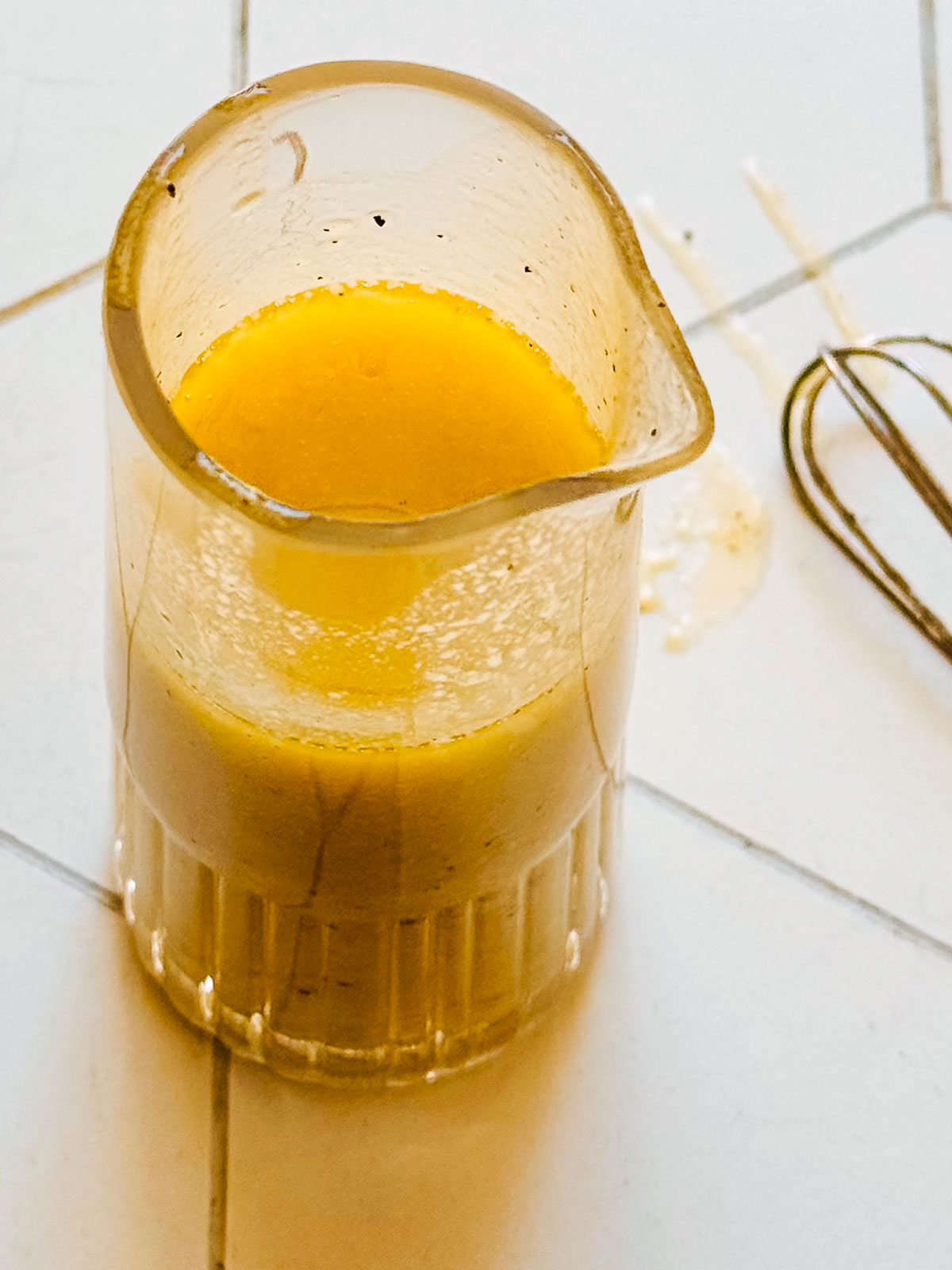
The Dijon mustard does more than add flavor here. It is a natural emulsifier. It helps the oil and vinegar blend into one smooth dressing instead of separating.
I put this on everything. (Try my homemade Italian vinaigrette, too)
Dijon Vinaigrette Ingredients
You only need six everyday ingredients for this Dijon vinaigrette.
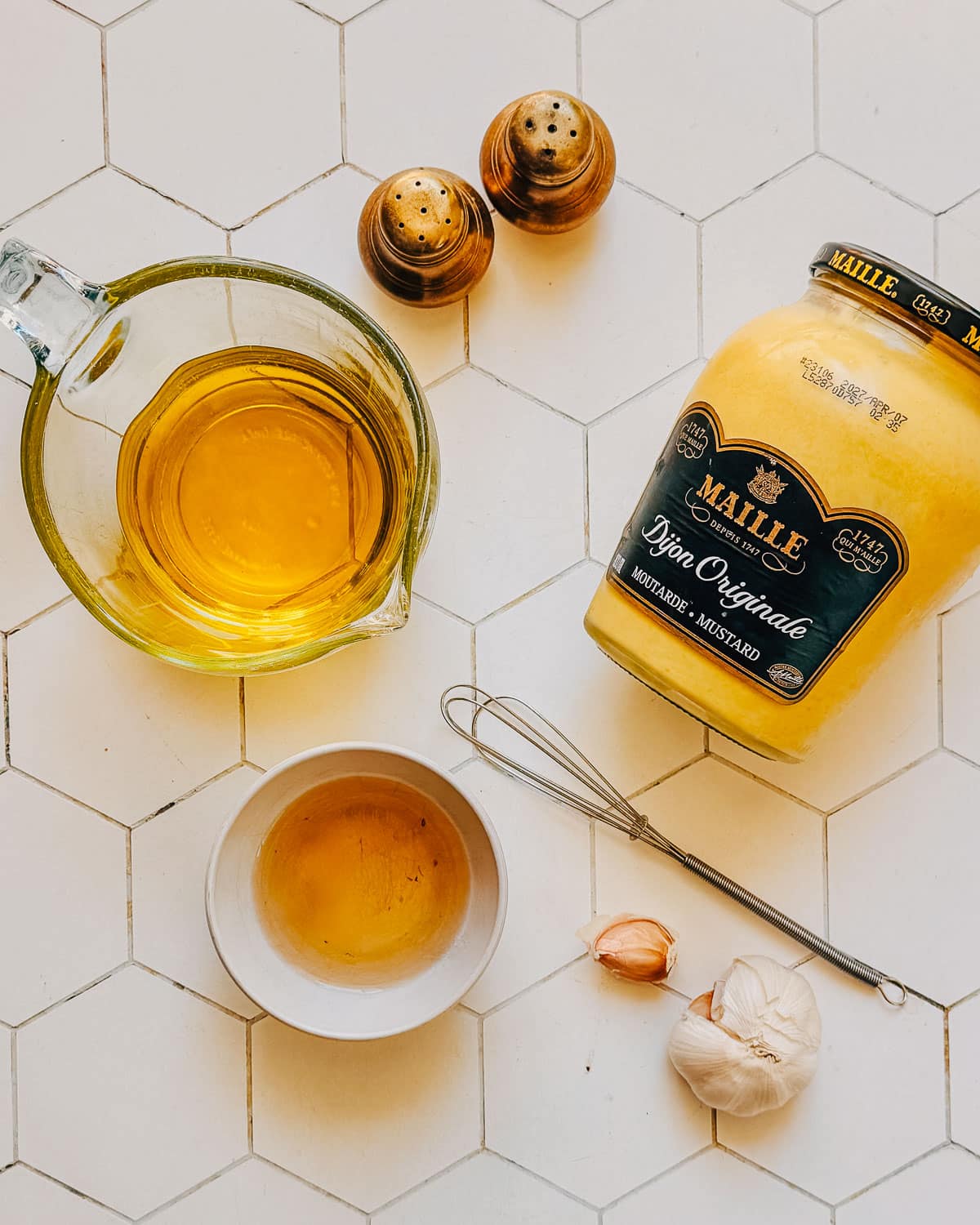
- White wine or champagne vinegar: bright and mild, so it does not overpower the dressing.
- Dijon mustard: the emulsifier that keeps the dressing creamy.
- Olive oil: use a good extra-virgin one, since you really taste it.
- Garlic: minced fine for a little savory bite.
- Kosher salt
- Ground black pepper
Full recipe quantities listed in the recipe card at the bottom of the article.
Variations and Substitutions
This Dijon vinaigrette is easy to make your own.
- Vinegar: red wine vinegar, apple cider vinegar, or fresh lemon juice all work in this vinaigrette dressing.
- Sweeten it: whisk in 1 tsp honey for a honey Dijon vinaigrette, or use maple syrup.
- Herbs: stir in chopped parsley, chives, or tarragon.
- Shallot: swap the garlic for minced shallot for a softer flavor.
- Extra tang: add a little more Dijon for a bolder, sharper dressing.
Grab These Tools
A couple of basics are all you need.
- Bowl and whisk: for the creamiest, best-emulsified dressing.
- Mason jar with a lid: shake instead of whisk, then store in the same jar.
- Garlic press or microplane: to mince the garlic fine.
How to Make Dijon Vinaigrette: An Easy Guide
This whole thing takes about two minutes. The order is what makes it creamy.
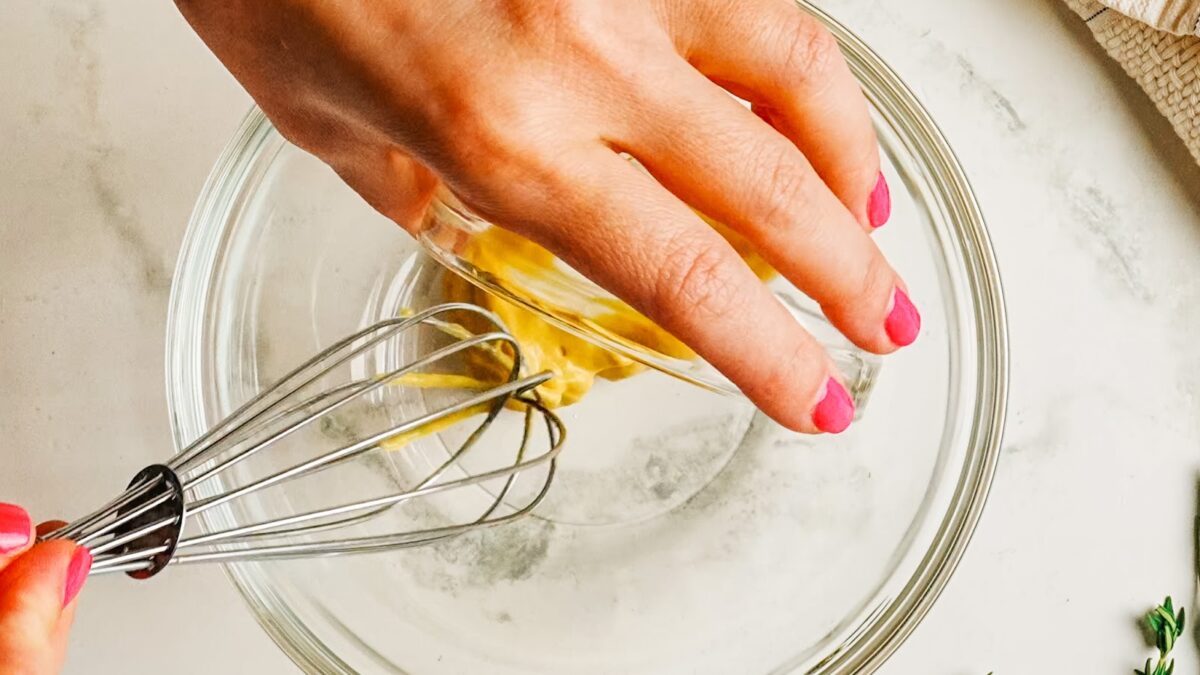
Whisk the Base
Add the vinegar, salt, pepper, Dijon, and garlic to a bowl. Whisk until the salt dissolves and the mustard is smooth. This is your flavor base.
Stream in the Oil
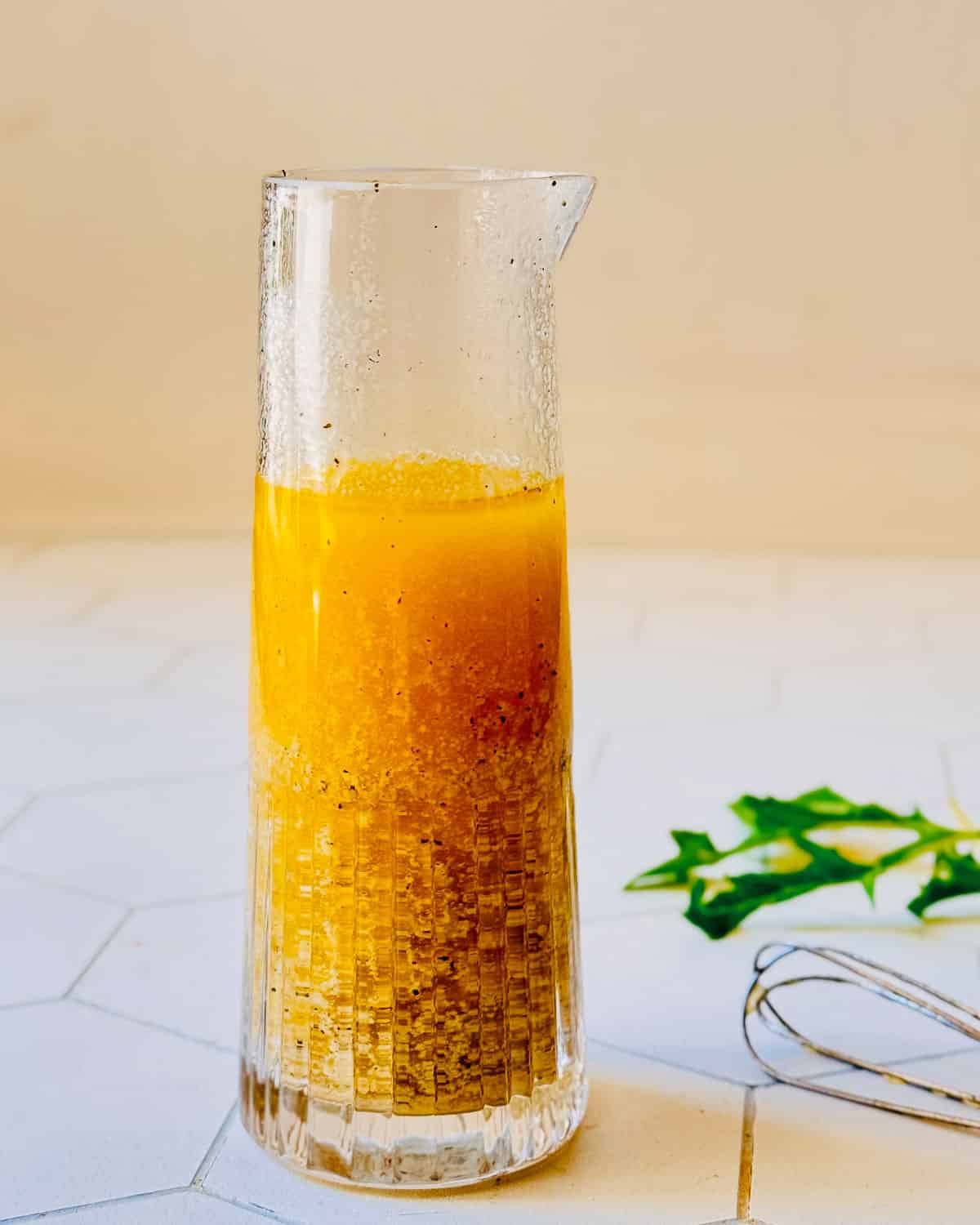
Slowly pour in the olive oil while whisking constantly. Go slow at first. The dressing will turn thick, creamy, and pale as it emulsifies.
Taste and Use
Dip a lettuce leaf and taste it. Adjust the salt or vinegar if you like. Toss with your salad right before serving.
No whisk? Add everything to a jar, seal the lid, and shake hard for 20 seconds.
5 Common Mistakes When Making Homemade Vinaigrette
Here are the most frequent mix-ups to avoid when making Dijon vinaigrette:
- Adding the oil too fast: pour it in slowly or the dressing will not emulsify and become creamy.
- Under-seasoning: dressing should taste a little bold before it hits the greens, since it is what’s seasoning the entire salad.
- Using bland oil: you taste the olive oil, so use one you like.
- Dressing too early: toss right before serving so the greens stay crisp.
Make Ahead and Storage
This dressing is made for keeping a jar in the fridge.
Storing Dijon Mustard Salad Dressing
- Fridge: store in a sealed jar up to 2 weeks.
- It firms up cold: olive oil thickens in the fridge, and that is normal.
Before Serving
- Bring to room temperature: let it sit out for a few minutes.
- Shake or whisk: re-blend it if it has separated at all.
How to Serve This Dijon Dressing Recipe
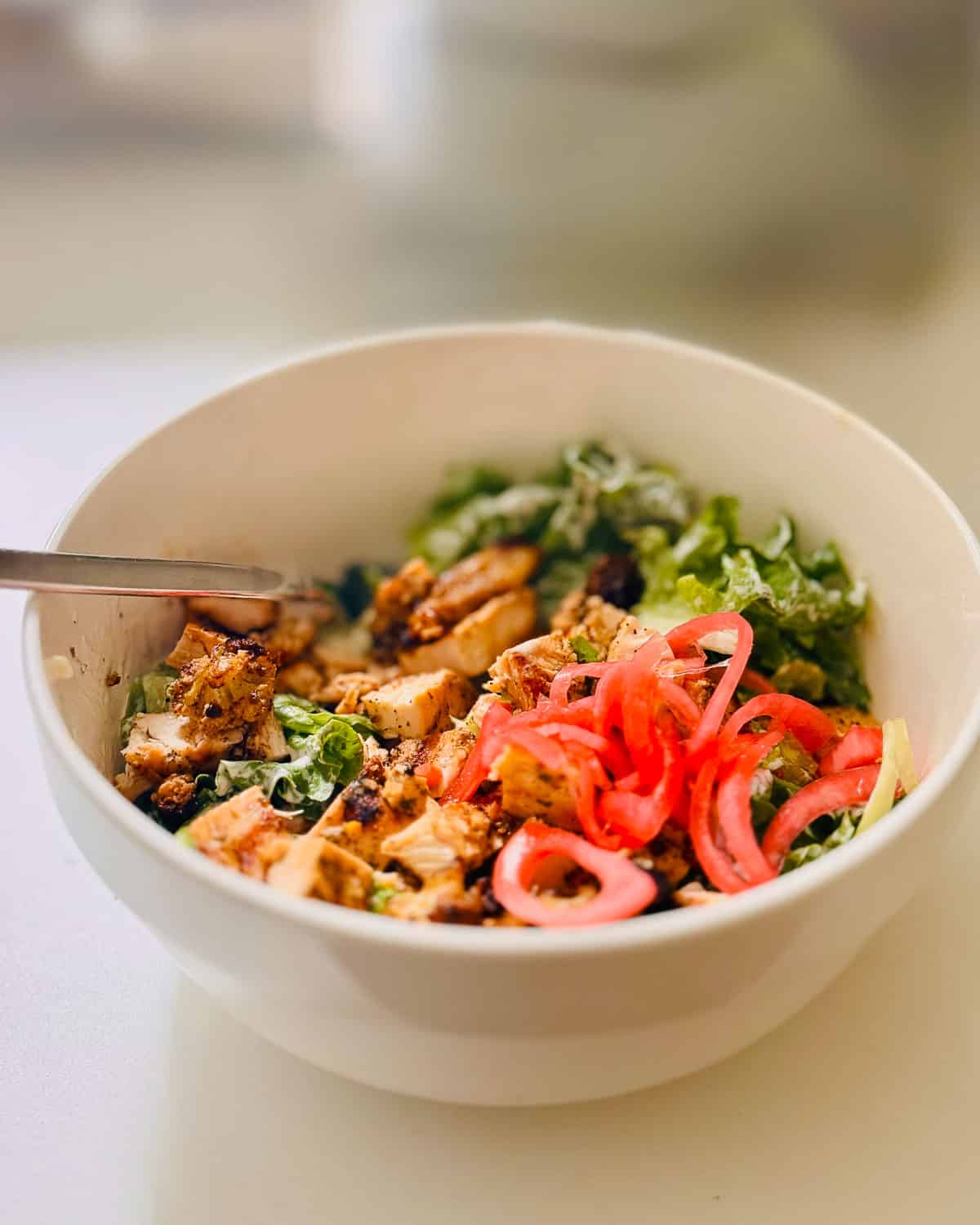
This dressing goes far beyond a the salad with chicken desk lunch (pictured above) that I use it for most often. It works as a dressing, a marinade, and a drizzle.
Salads to Toss in Dijon Vinaigrette
- Leafy salads: green leaf or butter lettuce, cherry tomatoes, some shredded carrot, salted sunflower seeds – this is my house salad!
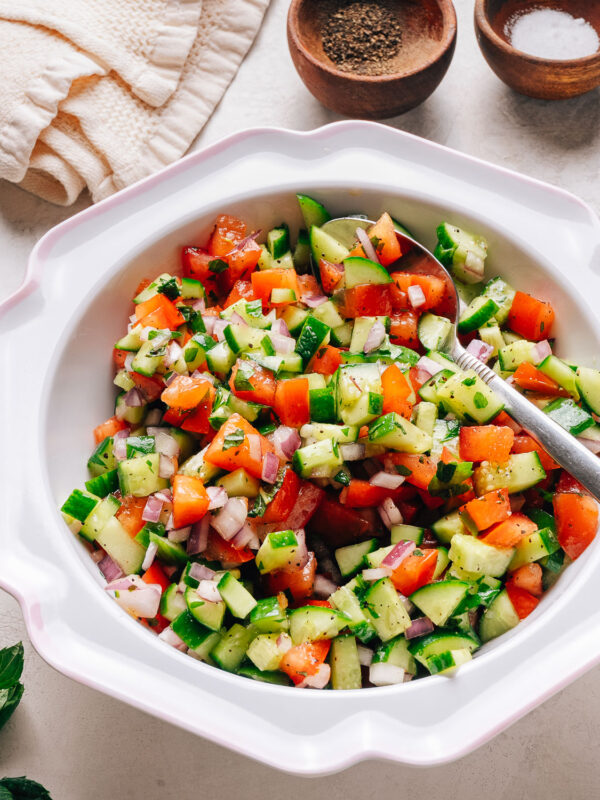
- Hearty salads: try it on my Grilled Chicken Couscous Salad or Fattoush Salad.
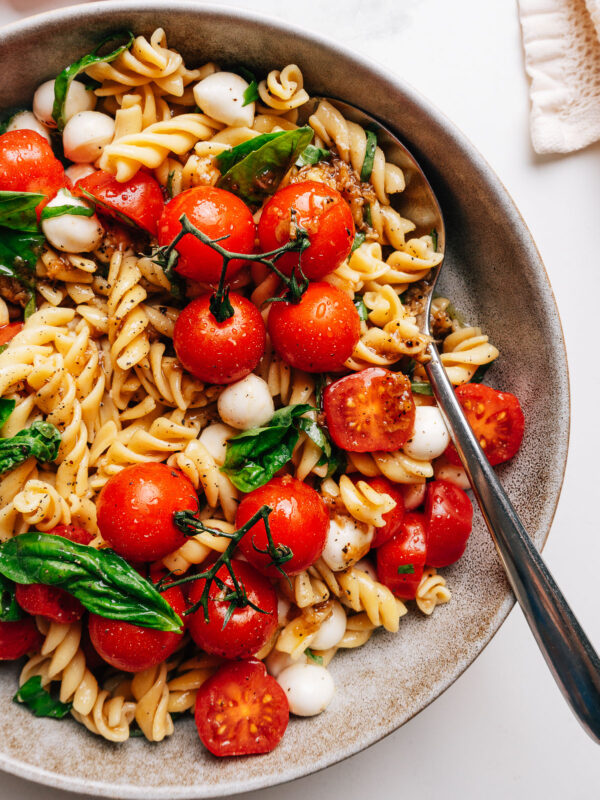
- Pasta salads: it brightens a classic pasta salad or even a potato salad with bacon.
More Ways to Use It
- As a marinade: it is great on chicken, like my Grilled Honey Mustard Chicken Thighs.
- Drizzled over veg: spoon it over roasted or grilled vegetables.
- On grain bowls: toss it through couscous, quinoa, or farro.
Tips for the Best Dijon Mustard Vinaigrette
A few small things take this dressing from good to great.
- The 3 to 1 ratio: three parts oil to one part vinegar keeps it balanced.
- Dijon is the secret: it emulsifies the oil and acid into a creamy dressing.
- Dissolve the salt first: whisk it into the vinegar before the oil goes in.
- Taste on a leaf: a dressing tastes different on greens than off a spoon.
- Use good olive oil: with so few ingredients, quality really shows.
FAQs About Dijon Vinaigrette
Just skimming through? Here are some quick answers to the commonly-asked questions.
Dijon vinaigrette is made of Dijon mustard, vinegar, olive oil, garlic, salt, and pepper. The mustard acts as an emulsifier, blending the oil and vinegar into one creamy dressing. It comes together in about two minutes with just a whisk or a jar.
Dijon mustard goes in vinaigrette because it is a natural emulsifier. Its compounds coat the oil droplets and hold them suspended in the vinegar. That keeps the dressing thick, creamy, and blended instead of separating into oil and acid layers.
The classic ratio is three parts oil to one part vinegar. This recipe uses 3/4 cup oil to 1/4 cup vinegar, which hits that balance. You can add a little more vinegar if you like a sharper, tangier dressing.
Dijon vinaigrette lasts up to 2 weeks in a sealed jar in the fridge. The olive oil will firm up when cold, which is normal. Just let it sit at room temperature for a few minutes, then shake or whisk before using.
You can make Dijon vinaigrette without garlic. Leave it out for a milder dressing, or swap in minced shallot for a softer, sweeter bite. The mustard, vinegar, and oil still give you a creamy, well-balanced vinaigrette on their own.
White wine or champagne vinegar is best because it is bright and mild. Red wine vinegar, apple cider vinegar, and sherry vinegar also work well. For a softer, fresher tang, you can use fresh lemon juice in place of some or all of the vinegar.
Your vinaigrette separated because the oil was added too quickly or there was not enough Dijon. Whisk in the oil slowly so it emulsifies, and do not skip the mustard. If it splits later in the fridge, just shake or whisk it back together.
You can use Dijon vinaigrette as a marinade. The vinegar and mustard tenderize and flavor chicken, pork, or vegetables. Pour it over your protein and chill for a few hours before cooking. Save a little fresh dressing to drizzle on at the end.
Yes, dijon vinaigrette and dijon dressing are essentially the same thing. Vinaigrette is a type of dressing made with oil and an acid like vinegar, so a dijon vinaigrette is simply a dijon-flavored dressing. The terms are used interchangeably.
To make a honey dijon vinaigrette, simply add 1 to 2 teaspoons of honey to the base recipe. Whisk it in along with the mustard before adding the oil. The honey balances the tang of the vinegar and adds a mild sweetness that pairs especially well with bitter greens like arugula or radicchio.
Other Salad Recipes You’ll Love
- Kale Caesar Salad
- Strawberry Spinach Salad with Almonds and Goat Cheese
- Grilled Chicken Couscous Salad with Peaches
- Israeli Salad
- Healthy Greek Pasta Salad with Creamy Feta Dressing
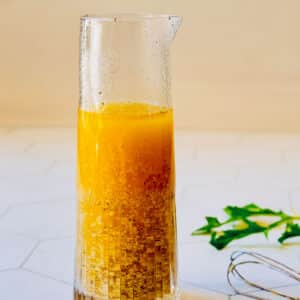
Best Tangy Dijon Vinaigrette
Ingredients
- ¼ cup white wine or champagne vinegar
- 1 tbsp Dijon mustard
- 1 tsp garlic minced
- 1 tsp kosher salt
- ½ tsp ground black pepper
- ¾ cup extra-virgin olive oil
Instructions
- Add the vinegar, salt, pepper, Dijon, and garlic to a bowl. Whisk until the salt dissolves and the mustard is smooth.
- Slowly pour in the olive oil while whisking constantly. Go slow at first. The dressing will turn thick, creamy, and pale as it emulsifies.
- Dip a lettuce leaf and taste, then adjust the salt or vinegar to your liking. Toss with your salad right before serving. No whisk? Add everything to a jar, seal, and shake hard for 20 seconds.
Notes
Nutrition
Nutrition information is automatically calculated, so should only be used as an approximation.