Slow Cooker Vs Pressure Cooker

Updated Oct 28, 2024
Slow cooker vs pressure cooker: Here is my opinion and guidance as a food scientist and recipe developer on the pros and cons of both appliances, including which makes meat more tender + which is healthier!
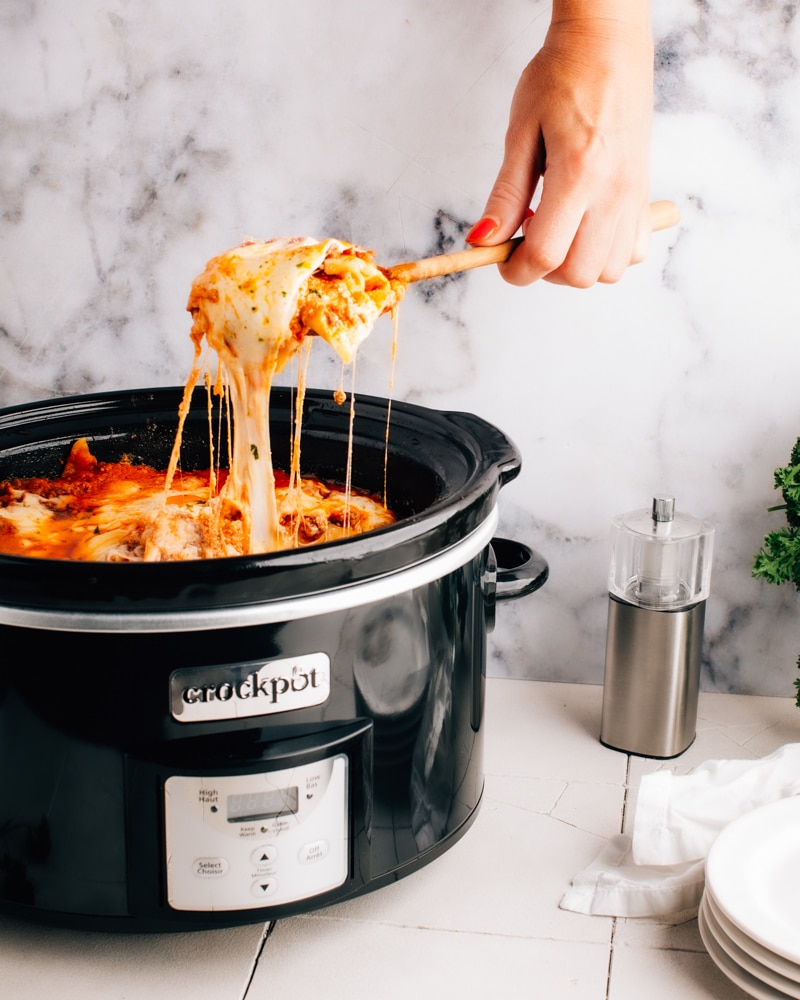
Slow and pressure cookers are popular kitchen appliances that simplify meal preparation. You have folks who are die-hard pressure cooker fans and those who can’t live without their slow cooker.
Here is what you need to know.
Slow Cooker Vs Pressure Cooker: At a Glance
Here are a few key takeaways if you’re here for a short answer on the slow cooker vs pressure cooker debate:
Top Benefits of a Slow Cooker:
- Great for set-it-and-walk-away meals and ideal for busy people if you’re organized early in the day
- More effective at breaking down collagen for silky-soft, ultra-tender meat over long cook times (source)
- Often results in slightly more flavorful meat due to the extended cooking time, allowing for deeper flavor development
Top Benefits of a Pressure Cooker:
- High pressure cooks food in a fraction of the time (up to 8 times faster than slow cookers!)
- Retains more nutrients than slow cooking (source)
- Allows you to make everything from stews and roasts to grains without any advance planning
Now let’s dive into the pros and cons of each and which foods work best in either cooking device.
All About Slow Cookers
Slow cookers, also known as crock-pots, are low-heat kitchen devices. I love mine for its convenience, versatility, and ability to create delicious, fuss-free meals.
These countertop wonders offer a hands-off approach to cooking; I love that I don’t have to “supervise” mine!
From hearty stews and tender roasts to savory soups, slow cookers can tackle a ton of recipes. They are great for a home cook of any skill level.
Pros Of Using a Slow Cooker
Here are some of the pros to using a slow cooker:
- Convenience: You can prep ingredients in the morning, set the cooker, and return home to a ready-to-eat meal in the evening. Life-changing.
- Enhanced flavors: The slow cooking process allows flavors to develop and meld together over long periods. You can absolutely taste the result.
- Tenderizing: Slow cookers are excellent for tenderizing tough cuts of meat. They do this by breaking down collagen and connective tissues.
- Versatility: Slow cookers can be used to prepare a wide variety of dishes, including soups, stews, roasts, casseroles, and even desserts.
- Energy efficiency: Slow cookers use less energy compared to conventional ovens. They are a cost-effective and eco-friendly cooking option.
- Hands-off cooking: Once ingredients are added to the slow cooker, you can basically forget about your food cooking away.
- Safe cooking: Slow cookers typically operate at low temperatures. This reduces the risk of food burning or overcooking, making them a safe cooking method. Great for beginners!
- Meal prep: You can prepare large batches of food and portion them for future meals or freezer storage.
- Healthy cooking: Slow cooking retains nutrients and vitamins in ingredients, making it a healthy cooking method for nutrient-rich meals.
These benefits make slow cookers a valuable and versatile addition to any kitchen.
Cons Of Using a Slow Cooker
As good as they are, they aren’t perfect. Here are a few drawbacks:
- Requires advance planning: To make a slow cooker dinner, you need to be organized with your recipe prepped early in the day. It isn’t always feasible depending on your schedule.
- Long cooking times: They ain’t making your mid-week 20-minute meals.
- Limited temperature control: Most slow cookers have basic temperature settings, limiting your ability to adjust cooking temperatures precisely for specific recipes or ingredients.
- Texture changes: Vegetables can become mushy, and meats may lose some of their firmness.
- Risk of overcooking: If left unattended for too long, ingredients can overcook.
- Not suitable for all ingredients: Some ingredients, such as delicate seafood or quick-cooking vegetables, are not well-suited for slow cooking.
- Limited browning and caramelization: Slow cookers don’t allow for ingredients’ browning (Maillard reaction). This can impact the appearance of certain dishes.
- Storage space: Slow cookers can take up a lot of storage space in your kitchen.
Despite the drawbacks, slow cookers are a great tool and I love using mine.
Best Cuts of Meat To Cook In a Slow Cooker
The best cuts of meat in a slow cooker are typically tougher cuts that benefit from long, slow cooking times to become tender and flavorful.
Here are a few:
- Chuck roast: This cut is well-marbled and benefits from slow cooking. The result is tender, juicy meat for dishes like pot roast or beef stew.
- Brisket: This becomes meltingly tender when slow-cooked, making it perfect for dishes like barbecue brisket or braised beef.
- Pork shoulder (pork butt): Pork shoulder is a budget-friendly cut that turns out tender and juicy when slow-cooked. It’s ideal for pulled pork or shredded pork sandwiches.
- Beef short ribs: Short ribs are richly marbled and become incredibly tender when cooked low and slow. Check out my Korean short-rib recipe for gingery, sweet ‘n savory ribs.
- Lamb shoulder: It’s ideal for dishes like lamb curry or Moroccan tagine.
- Chicken thighs: While not a tough cut, they are well-suited for slow cooking as they remain moist and tender. They’re perfect for dishes like chicken caciatore or coq au vin.
These cuts of meat are economical, full-flavored, and ideal for slow cooking.

Slow Cooker Recipes To Try
Here are a few of my favorite crockpot recipes for you to try:
- Slow Cooker pork loin: this lean cut comes out fall-apart tender with the tastiest sauce.
- My fav Korean short ribs slow cooker recipe.
- Slow-cooker pumpkin spice oatmeal recipe: dreamy fall-style oats.
- Slow-cooker chicken tacos: with all the trimmings!
- Overnight baked oats: so healthy and tasty.
- Carrot bake oats: cake-flavored breakfast is everything.
- My slow-cooker chicken enchiladas: you’ll never make them any other way.
- Crockpot lasagna: cheesy and saucy.
- Crockpot spaghetti sauce: cooked low and slow to deliver moreish flavor. The perfect pasta partner.
You have got to try these recipes!
All About Pressure Cookers
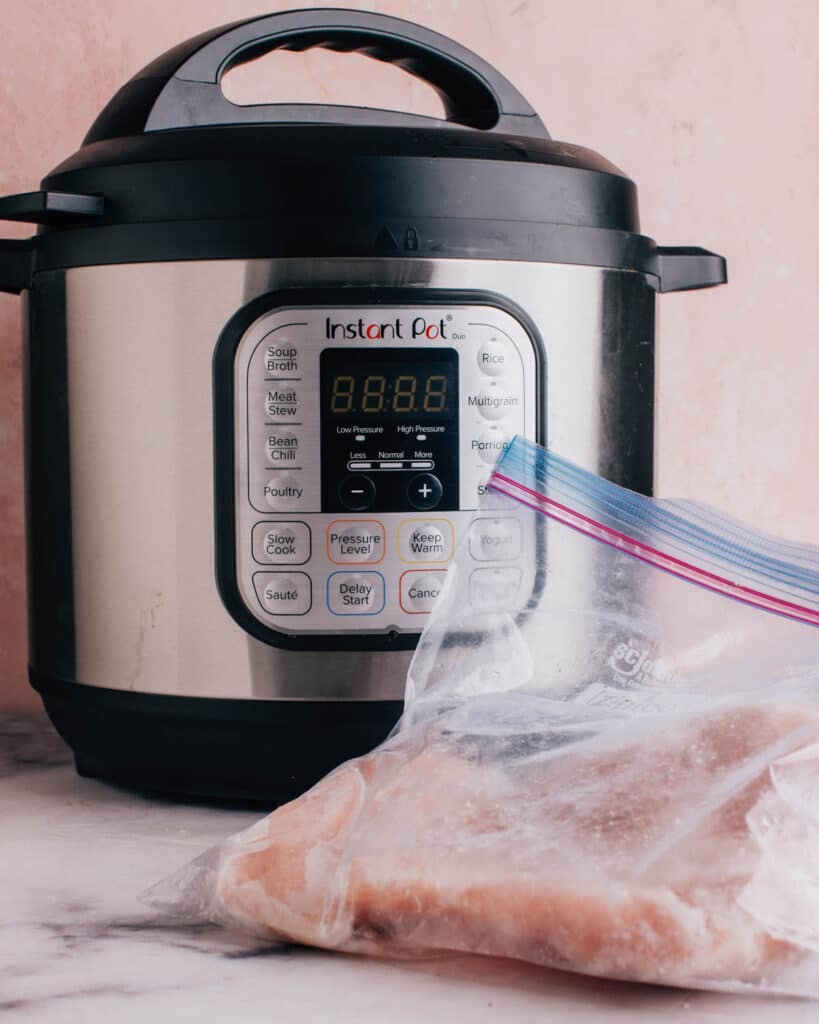
Pressure cookers are known for their ability to cook food quickly and efficiently under high pressure. The Instant Pot is probably one of the best-known pressure cookers right now.
These appliances work by trapping steam inside a sealed pot. This raises the boiling point of the water and allows food to cook at higher temperatures.
Pressure cookers are prized for their ability to tenderize tough cuts of meat, cook beans and grains in a fraction of the time, and retain nutrients in ingredients. They come in stovetop pressure cookers and electric models.
Pros Of Using a Pressure Cooker
Here’s what makes them great:
- Quick cooking times: Pressure cookers significantly reduce cooking times compared to traditional methods. This is what they are most loved for.
- Preserves nutrients and flavors: The high-pressure environment helps seal in nutrients and flavors in food.
- Versatile cooking: Pressure cookers can handle a wide variety of ingredients and recipes, from meats and beans to soups, stews, and even desserts.
- Energy efficient: Pressure cookers use less energy than conventional cooking methods.
- Tenderizes tough cuts of meat: Pressure cooking breaks down collagen and connective tissues in tough cuts of meat.
- Safe and convenient: Modern pressure cookers come with safety features such as locking lids and automatic pressure release valves, making them safe and easy to use.
- Preserves texture: Unlike slow cooking methods which can sometimes result in mushy textures, pressure cooking preserves the texture of ingredients, ensuring they remain firm.
There are so many reasons to LOVE a pressure cooker!
Cons Of Using a Pressure Cooker
Here are the cons of using a pressure cooker:
- Learning curve: Pressure cookers may have a learning curve, especially for beginners. Understanding how to use them properly and adjusting cooking times and pressure levels takes time.
- Risk of overcooking: Pressure cookers cook food quickly, which can lead to overcooking, especially with delicate ingredients.
- Texture changes: Some ingredients, such as vegetables and seafood, may become mushy or overcooked if not timed correctly.
- Time to come up to pressure: Although the most popular North American pressure cooker is the Instant Pot brand, it’s not truly instant if fill the appliance full of fridge-cold ingredients. It can take 30 minutes just to reach the high pressure needed to even start the pressure cooking timer.
- Maintenance: Pressure cookers require regular maintenance, including cleaning and checking the sealing ring and pressure release valve to ensure proper functioning.
- Noise: Pressure cookers can be noisy during the cooking process.
The pros outweigh the cons!
Best Cuts of Meat To Cook In a Pressure Cooker
Typically, tougher cuts benefit from the tenderizing effects of pressure cooking. Here are some examples:
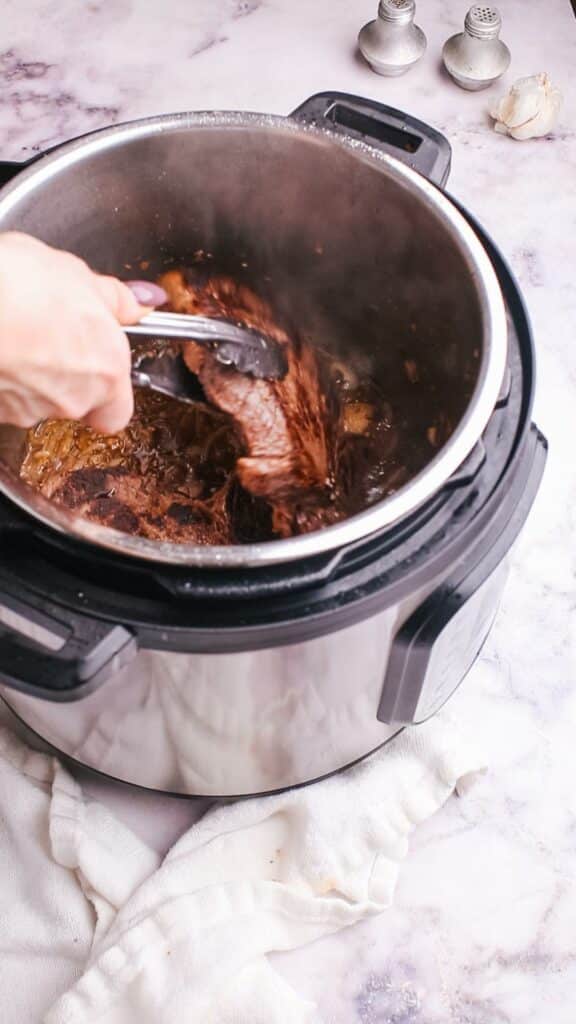
- Beef chuck roast: Comes out beautifully in a pressure cooker thanks to the hot steam.
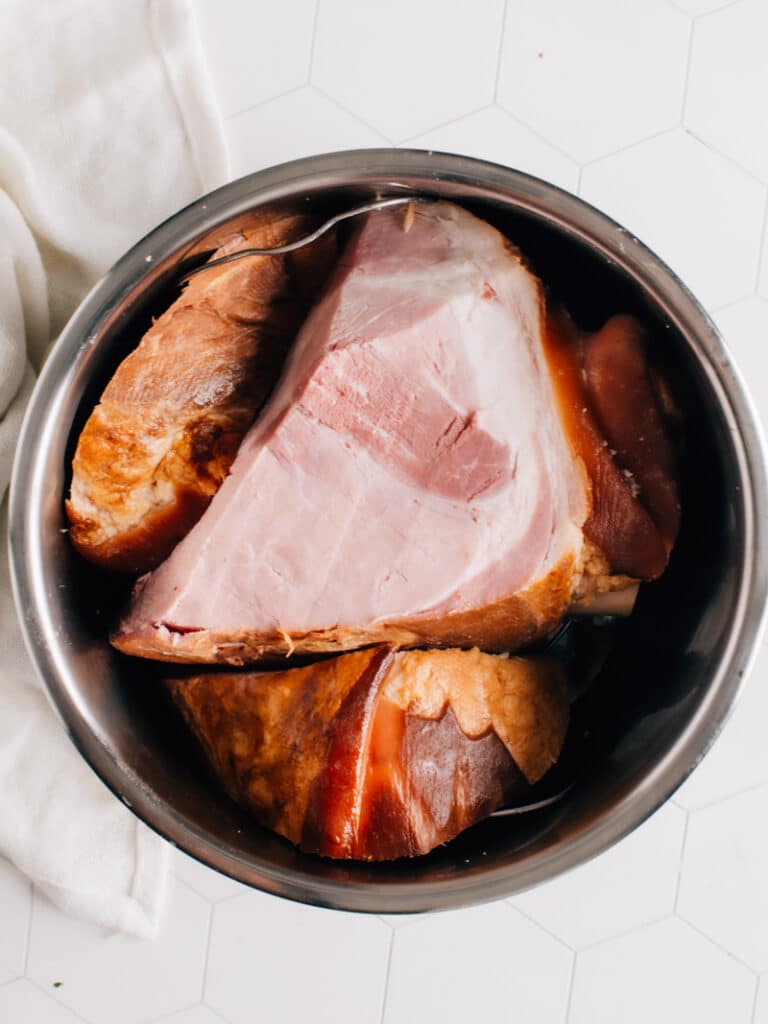
- Pork shoulder (pork butt): Get your pull-apart pork shoulder here! Check out how I cook my pressure cooker ham so it falls off the bone and beyond juicy.
- Beef short ribs: Short ribs are richly marbled and benefit from pressure cooking, resulting in tender, fall-off-the-bone meat perfect for hearty stews or braised dishes.
- Lamb shank: Lamb shank is a tough cut that becomes tender and flavorful when pressure-cooked – think lamb curry or osso buco.
- Chicken thighs and drumsticks: Bone-in chicken is perfect for pressure cooking.
These are low-effort, high-flavor cuts to try in your pressure cooker.
Pressure Cooker Recipes To Try
These are a few of the pressure cooker recipes I can’t stop making:
- Instant Pot Pulled Pork: meltingly tender.
- Instant Pot Mexican rice: rice cooking made easy.
- Instant Pot Chicken Chili: the only recipe you’ll ever need.
- Frozen Chicken Instant Pot Recipe: No-thaw needed to make frozen (raw meat) chicken breast cooked (juicy + maximum flavour) in minutes.
- Instant Pot steak: fall-apart tender.
- The Instant Pot Indian Recipes my half-Indian family loves.
You’ll love how easy and sensational these Instant Pot recipes are.
Slow Cooker vs Pressure Cooker: What Is The Difference?
The main difference between a slow and a pressure cooker is their cooking methods and the time it takes to cook food.
Cooking method
The methods are pretty different:
- Slow cooker: A slow cooker cooks food at a low temperature over an extended period. This can happen over several hours or even overnight. It relies on gentle heat and a long cooking time to break down tough cuts of meat and develop flavors.
- Pressure cooker: A pressure cooker cooks food quickly by trapping steam and increasing the pressure inside the pot. This elevated pressure raises the boiling point of water, allowing food to cook at higher temperatures and reducing cooking times significantly.
Cooking Time
Quick or slow, here’s what to know:
- Slow cooker: Slow cookers require several hours to cook food thoroughly.
- Pressure cooker: Pressure cookers cook food in a fraction of the time compared to slow cookers. They can cook meals in minutes rather than hours.
Texture
Slow cookers tend to overcook softer ingredients more easily.
- Slow cooker: Slow cooking allows flavors to meld and develop over time, resulting in rich and intensely flavorful dishes. It also tenderizes tough cuts of meat and creates a moist and tender texture. Veggies and seafood can overcook easily.
- Pressure cooker: Pressure cooking preserves the texture of ingredients while tenderizing tough cuts of meat quickly.
Slow Cooker vs Pressure Cooker: Which Is Better?
The superiority of either a slow cooker or a pressure cooker depends a lot on how much time you have and the type of dish you are after.
I love slow cookers for how they gently tenderize tough cuts of meat over long periods.
On the other hand, a pressure cooker offers me a quick cook and preserves nutrients and flavors. They also produce tender meats in a fraction of the time.
Ultimately, the “better” option varies based on your needs:
– Slow cookers are ideal for those who prefer convenience and long-simmered flavors.
– Pressure cookers suit quick, nutrient-rich meals without compromising on texture.
Can You Convert Recipes Between a Slow Cooker and Pressure Cooker?
For some recipes, you can adapt cooking methods between a slow cooker and a pressure cooker. Here’s a general guide:
- Cooking Time: Pressure cookers cook about 4–8 times faster. If a slow cooker recipe calls for 8 hours on low, you can usually cook it in a pressure cooker for about an hour (plus time for pressure buildup and release).
- Liquid Adjustments: Pressure cooking needs less liquid since it doesn’t allow evaporation like a slow cooker does. Reduce liquid by about a quarter for most recipes.
- Timing Delicate Ingredients: Add vegetables or quick-cooking ingredients later in a pressure cooker to avoid mushiness.
FAQs Slow Cooker Vs Pressure Cooker
Just skimming through? Here are the highlights from my article:
Slow cooking and pressure cooking are both effective methods for tenderizing meat. Slow cooking might make meat a bit more tender in the end, as the prolonged, gentle heat gradually breaks down collagen and connective tissue, resulting in very soft, flavorful meat.
A pressure cooker is generally more energy-efficient compared to a slow cooker.
A slow cooker and a pressure cooker can’t always be used interchangeably for recipes. You can convert recipes between the two, but you must adjust the cooking time, liquid amounts, and sometimes the seasoning. Pressure cookers require a certain amount of liquid to build pressure.
Next reading: Air Fryer 101: How to Choose and Use an Air Fryer.









I love my electric pressure cookers.
— From what I understand through my own research, another reason slow cooked foods may have more flavour than pressure cooked ones is that slow cooking allows the natural glutamic acid present in most ingredients (raw produce and meats) to convert to glutamates (MSG) providing the umami flavour effect. I am hypersensitive to glutamates in that they are major triggers to the debilitating migraines I can experience. I avoid foods that are naturally high in glutamic acid from the get-go and pressure cooking greatly reduces the glutamate load to my body.
— Morning prep for using a pressure cooker later in the day is easy. Prepped vegetables can go into the pot with the lid in place ahead of time. When it’s time to cook, pre-heat the water or other liquid and add it along with the meat and seasonings. This will compensate for the cold meat and speed up the time it takes to come up to pressure.
— I also use my pressure cookers to perfectly and quickly blanch vegetables for freezing. Use the high pressure setting for harder vegetables (eg. carrots) and low pressure for more delicate ones (eg. green peas). Use a steamer basket with one cup of water in the pot. Set the timer to 00:00 (zero time) so the machine comes up to pressure and shuts off again. Release the pressure valve immediately. Flash cool the vegetables in a colander in an ice water bath as you would normally.
— All in all, I highly recommend the newer, safer and versatile electric pressure cookers.
Hello and thank you for this. Very helpful. I was having a hard time deciding whether I should buy an instant pot or a crockpot.
FANTASTIC INFORMATION.I wasn’t too sure which one to buy,but now I know.The INFORMATION is very helpful,and I opted for a pressure cooker.Thanks,you are a STAR.