Egg Whites Vs Eggs (Truths, Myths + Uses in Cooking)

Jul 30, 2024

Egg Whites Vs Eggs: At a Glance
The humble egg is an essential ingredient in my cooking/baking toolbox. Here’s a quick summary of the differences between egg whites and whole eggs.Egg Whites
Egg whites are a high-protein, low-calorie ingredient with minimal fat, making them perfect for high-protein and low-fat diets. Here is their content breakdown:- Calories: Low (about 17 calories per white).
- Fat: Virtually none (0.05 grams per white).
- Protein: High (about 3.6 grams per white).
- Cooking Uses: Perfect for meringues, angel food cakes, scrambled egg and egg white omelet, and as a leavening agent.
Whole Eggs
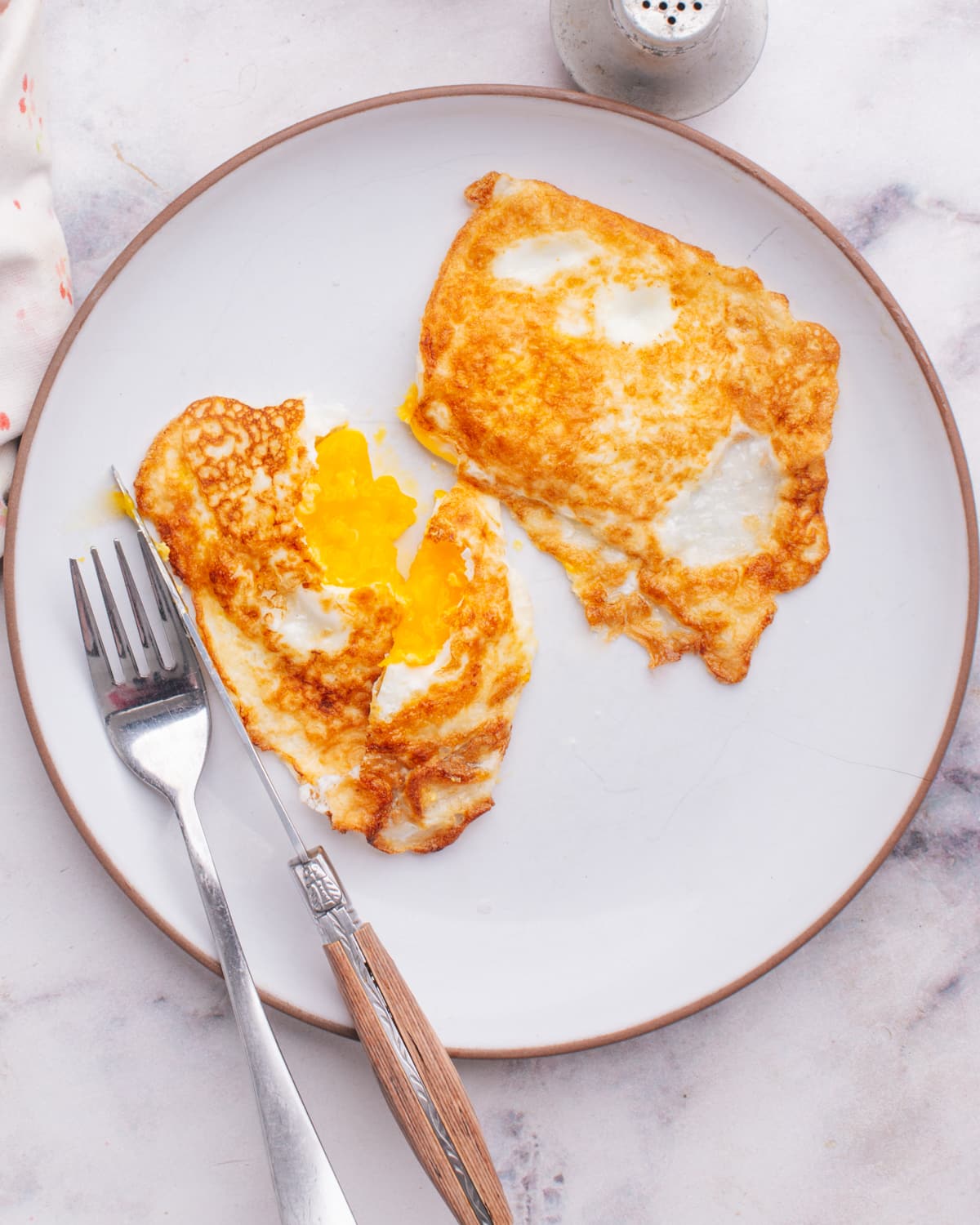
Whole eggs contain both egg whites and egg yolks. This means they are richer in fats and essential nutrients and also higher in calories than just egg whites. This content makes them great for adding flavor and richness (fat) to baked and cooked recipes:
Here is what they are made up of:
- Calories: Higher (about 70 calories per egg).
- Fat: Contains fats (about 5 grams per egg)
- Protein: Moderate (about 6 grams per yolk).
- Cooking Uses: Used in custards, sauces (like hollandaise), and as emulsifiers, batter, dough, kies, quiches and breakfast dishes.
Egg Whites vs Eggs: Uses in Cooking
There are plenty of pros and cons to cooking and baking with whole eggs and egg whites alone. Each ingredient has its own benefits and capabilities – from whipping up to hold air to emulsifying fats and oils to thickening and enriching. Here is a breakdown:
Egg Whites in Cooking
Egg whites are used in baking and cooking to deliver lightness and airiness. When you whisk liquid egg whites, they form foam, which becomes a recipe’s volumizer.
Full of air bubbles, this foam can make dishes like soufflés rise and become fluffy. It acts as a leavening agent, meaning it helps baked goods rise.
In baking, this airy texture delivers those light and fluffy bakes.
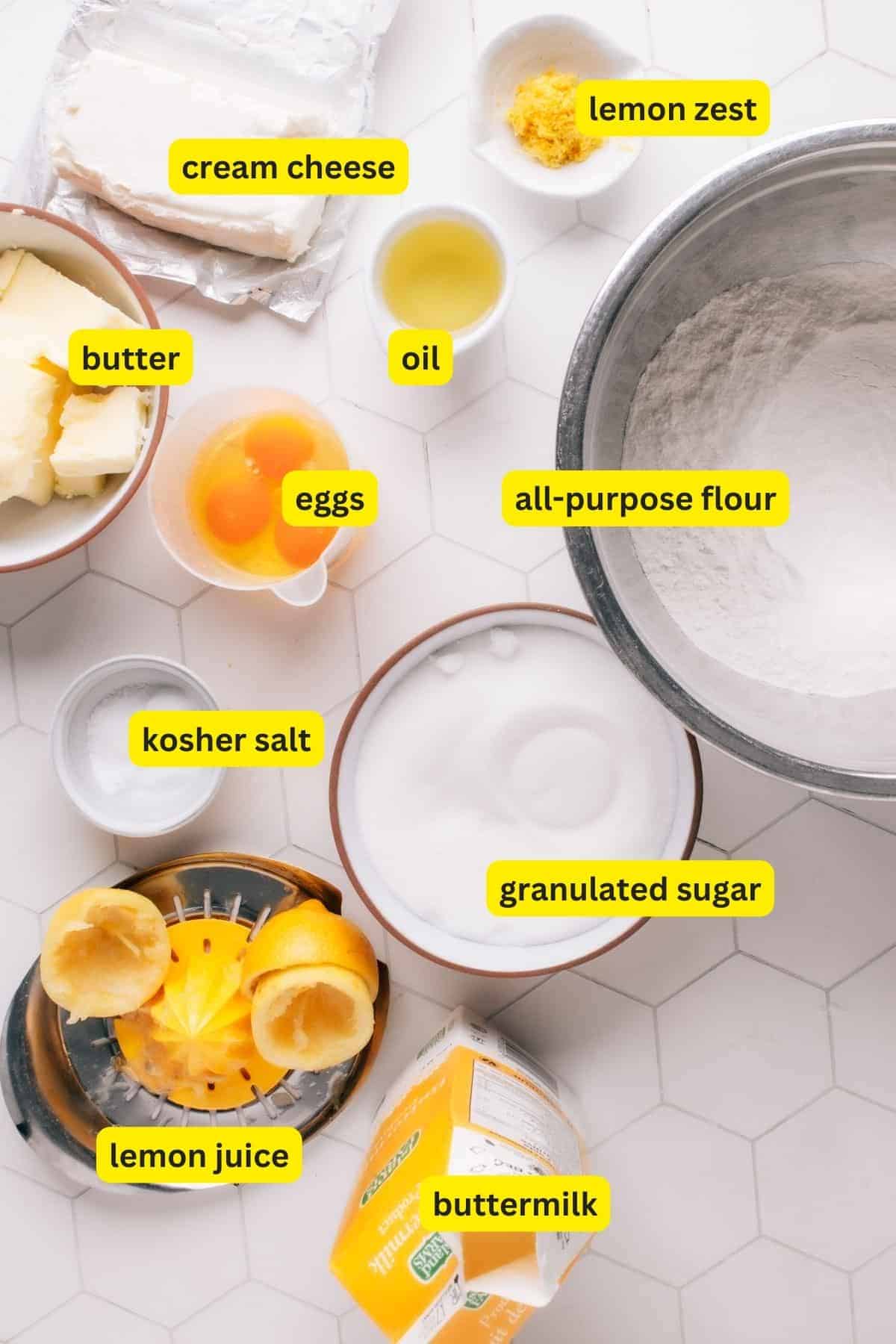
Beaten egg whites are the secret to making fluffy vanilla cake at home or whispy meringues like these.
In terms of cooking, one of the most popular ways to cook egg whites only is in an egg white omelet.

Whole Eggs in Cooking
Here are the top ways eggs are used in cooking:
- Binding agent: Whole eggs serve as a binding agent in recipes, helping to hold ingredients together. In dishes like meatloaf, meatballs, and meat patties, eggs help prevent the mixture from crumbling apart during cooking.
- Emulsifier: The yolk of the egg contains lecithin, a natural emulsifier that helps blend ingredients that would otherwise separate, such as oil and vinegar in salad dressings.
- Moisture and richness: The yolks are rich in fat and contribute to the moistness and richness of baked goods like cakes, cookies, and pastries. The fat content helps create a tender crumb and adds flavor to the finished product – as with my moist chocolate cake which is rich, soft, and tastes like MORE!
- Flavor enhancement: The yolks of whole eggs add depth of flavor to dishes, providing a subtle richness and a hint of egginess that enhances both sweet and savory recipes.
Egg Whites vs Whole Eggs: Flavor Profiles
The flavor profiles of egg whites and whole eggs are slightly different. Egg whites offer a subtle taste, often characterized as clean or neutral. This makes them well-suited for dishes where you aim to highlight other flavors without overshadowing them. On the other hand, whole eggs possess a richer, more distinct “eggy” flavor. They contribute depth to a recipe, enriching its overall taste profile.
Protein In Egg Whites Vs Eggs
The protein content in a whole egg varies compared to just the egg whites. A whole egg contains both egg whites and yolks. On average, a large whole egg contains about 6 grams of protein.
The egg white portion contributes roughly 3.6 grams of this protein, while the yolk provides around 2.7 grams.
Egg whites are renowned for their high protein content and pretty much lack fat and carbohydrates. They are considered a superior source of lean protein, making them a popular choice for those trying to increase their protein intake while minimizing calorie consumption.
It’s important to note that eggs are considered a complete protein. They contain all 9 essential amino fatty acids.

The combined protein content of a whole egg, which includes both the egg white and the yolk, is roughly 6 grams for a large egg.
Cholesterol In Egg Whites Vs Eggs
Egg whites and whole eggs differ significantly in their dietary cholesterol content.
According to the USDA, egg whites are virtually cholesterol-free, containing only trace amounts of cholesterol.
On the other hand, egg yolks are where the majority of the cholesterol in eggs is found. A single large egg yolk contains about 186 milligrams of cholesterol, which is significant compared to the negligible amount found in egg whites.
For those concerned about cholesterol levels, choosing egg whites over whole eggs can be a practical dietary strategy to help manage cholesterol intake while still benefiting from the high protein content and other essential nutrients found in eggs.
However, it’s important to consider the overall context of one’s diet and lifestyle factors when making dietary choices regarding cholesterol consumption.
Bad cholesterol is generally linked to concerns around a person’s heart disease risk, which should be addressed by a medical doctor.
Calories in Egg Whites Vs Whole Eggs
Egg whites and whole eggs differ in their calorie content.
Egg whites are low in calories and primarily consist of protein. One large egg white typically contains about 17 calories.
Since egg whites are virtually fat-free and contain minimal carbohydrates, they are considered a low-calorie option.
Whole eggs contain both egg whites and yolks, which contribute to their higher calorie content compared to egg whites on their own.
A large whole egg contains about 70 calories. The majority of these calories come from the yolk, which is rich in fats and other nutrients.


Whole Egg and Egg White Nutrition
Egg whites and whole eggs have distinct nutritional profiles. Each has its own variety vitamins, minerals, and other essential nutrients.Nutritional Value of Egg Whites
- Protein: Egg whites are mainly composed of protein.
- Potassium: Egg whites contain a small amount of potassium. This essential mineral supports heart health and helps regulate blood pressure.
- Selenium: Egg whites also provide selenium, an important antioxidant that helps protect cells from damage and supports thyroid function.
- Riboflavin (Vitamin B2): Egg whites contain riboflavin, essential for energy metabolism and cell growth.
Nutritional Value of Whole Eggs
- Protein: Whole eggs contain both egg whites and yolks. This makes them a complete source of protein along with all essential amino acids.
- Vitamin D, A, E, and K: The yolk of the egg is rich in fat-soluble vitamins, including vitamins A, D, E, and K, which play various roles in vision, bone health, immune function, and blood clotting.
- B Vitamins: Whole eggs are a good source of several B vitamins, including riboflavin (B2), pantothenic acid (B5), and B12, which are essential for energy production, metabolism, and nerve function.
- Choline: Egg yolks are one of the best dietary sources of choline. This is a nutrient important for brain health, liver function, and fetal development during pregnancy.
- Lutein and Zeaxanthin: Egg yolks contain lutein and zeaxanthin, antioxidants that support eye health and may help reduce the risk of age-related macular degeneration.
Eggs and Salmonella
Let’s chat about eggs and Salmonella. There are some simple steps you can help you enjoy your eggs safely:- Buying eggs: Grab eggs from the refrigerated section of the store and give them a once-over to ensure they’re clean and crack-free.
- Storing eggs: Pop those eggs into your fridge at 40°F or below, and keep them snug in their original carton. Fresh is best, so aim to use them up within 3 weeks.
- Preparing eggs: Before and after dealing with raw eggs, give your hands, utensils, and surfaces a good scrub with hot, soapy water. Cook your eggs until both the yolk and white are nice and firm. Aim for an internal temperature of 160°F.
- Serving eggs: Serve up your cooked eggs pronto! If you’re saving them for later, make sure they’re chilled in the fridge and eaten within 3 to 4 days. And don’t leave cooked eggs sitting out for more than 2 hours (or 1 hour if it’s hotter than 90°F).
- Egg alternatives: If your recipe calls for raw or undercooked eggs, consider using pasteurized eggs or egg products to play it safe.
- Special considerations: Keep in mind that certain folks, like young kids, older adults, pregnant folks, and those with weakened immune systems, are more susceptible to Salmonella.
FAQs on Egg Whites vs Whole Egg
Just skimming through? Here are answers to some commonly asked questions:
Are egg whites good or bad for you?
Egg whites are generally considered good for you, as they are low in calories and fat while being rich in high-quality protein.
Why do bodybuilders eat egg whites only?
Bodybuilders often eat egg whites only for their high protein content and low fat. Protein is a key contributor to building muscle mass and to repair muscles. Egg whites provide this without the extra fat and cholesterol from the yolks.Why eat egg whites and not the yolk?
Eating egg whites and not the yolk is chosen for lower calorie intake and to avoid fat and cholesterol. Egg whites are known to be high in protein and low in calories. This makes them perfect for weight management and high-protein diets.What is the unhealthiest part of an egg?
The term “unhealthiest” is subjective, but egg yolks are often considered less healthy due to their high cholesterol and fat content.
However, they also contain another element of nutrition, making them beneficial in moderation as part of a healthy diet.
What is the difference between white eggs and brown eggs?
The main difference between white eggs and brown eggs lies in the breed of the chicken that lays them. White-feathered chickens with white earlobes typically lay white eggs, while brown-feathered chickens with red earlobes usually lay brown eggs.Can you use liquid egg whites in baking?
Yes, you can definitely use liquid egg whites in baking! They are a convenient alternative to cracking and separating whole eggs, especially if a recipe calls for a large quantity of egg whites.
Sources
Accessed January, 2024 by Jennifer Pallian, BSc, RD.
- Salmonella and Eggs, Center for Disease Control